
BUYER EDUCATION · Updated 2026 · For importers, wholesalers & project specifiers

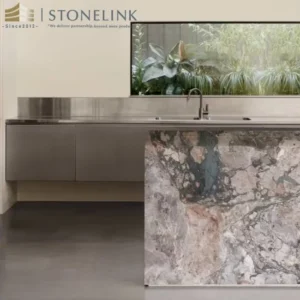
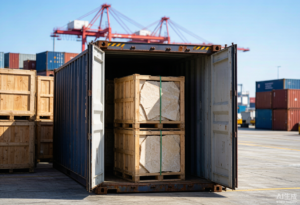
Certification and independent testing give B2B buyers objective proof of stone quality and compliance. (AI-generated concept image.)
Why Certifications Matter in Stone Procurement
Natural stone is a variable, quarry-dependent material. Certifications and independent tests give buyers objective, repeatable evidence of quality, safety, and compliance — reducing the risk of rejects, claims, and project delays.
The Main Certifications & Tests
| Credential | What it covers | Why buyers care |
|---|---|---|
| CE Marking | EU regulation compliance for construction products (e.g., EN 14617 series for agglomerates/natural stone where applicable) | Required for legal sale/use in the European market |
| SGS Inspection | Independent third-party quantity, quality, and packing verification | Neutral proof before payment / shipment |
| ISO 9001 | Certified quality management system at the factory | Signals consistent process control |
| ASTM C97 | Water absorption & bulk specific gravity (density) | Lower absorption = better stain/moisture resistance |
| ASTM C880 | Flexural strength (modulus of rupture) | Important for thin slabs, cladding, overhangs |
| Mohs Hardness | Relative scratch resistance (1–10 scale) | Predicts everyday durability and etching risk |
Understanding the Physical Test Numbers
- Water absorption (ASTM C97): Lower is better for wet areas. Dense granite typically <0.4%; marbles vary; higher absorption needs sealing.
- Density / specific gravity: Higher density usually means stronger, less porous stone.
- Flexural strength (ASTM C880): Critical for cantilevered islands, large-format cladding, and thin applications.
- Mohs hardness: Granite/quartzite (6–7) resist scratches; marble (3–5) is softer and etches from acids.
What B2B Buyers Should Actually Request
- A copy of the valid CE / ISO 9001 certificate (check expiry and company name).
- SGS or equivalent inspection at the factory before loading, with a written report.
- Batch test reports (ASTM C97 / C880) for the specific material and lot you are buying.
- Material safety / radiation declaration if required by your destination market.
- Pre-shipment photos of crating, labeling, and the actual batch.
Claims of “certified” mean little without the document. Ask for the certificate number, issuing body, and date — and verify them.
Red Flags to Watch
| Signal | What it may mean |
|---|---|
| No test report offered | Quality may be unverified or inconsistent |
| Certificate expired or mismatched name | Compliance gap — reject or clarify |
| Vague “inspected” claim, no report | No independent evidence |
| Refuses pre-shipment photos | Reduced transparency |
Frequently Asked Questions
Is CE marking required for all stone?
For natural stone placed on the EU construction market, applicable harmonized standards and the Construction Products Regulation determine obligations. Always confirm the specific requirement for your product and use.
What does SGS inspection check?
Typically quantity, visual quality, dimensions, packing, and labeling at the factory or port, with a written report you can rely on before payment.
Does ISO 9001 certify the stone itself?
No. ISO 9001 certifies the factory’s quality management system, not the physical properties of a specific slab. Pair it with ASTM test reports.
Which test matters most for kitchen countertops?
Water absorption and flexural strength are key, plus hardness for scratch resistance. For marble, also plan for sealing and acid-etch awareness.
Can STONELINK provide these documents?
Request the current certificates and batch test reports during quotation. Reputable suppliers provide them as part of standard due diligence.
About the Source
STONELINK is a natural stone manufacturer and exporter supplying marble, granite, quartzite, and other natural stone products to importers, wholesalers, and project contractors worldwide. For procurement support or a tailored quotation, contact our team.
This guide is educational. Always request current batch photos, samples, and a written quotation before ordering. Certification requirements vary by market — confirm with your local authority or compliance advisor.