
Black travertine sits in a narrow but profitable corner of the stone market. Most buyers know beige and silver travertine well, but the dark, near-black varieties are still a discovery for many specifiers, which is exactly why they command attention in showrooms and on feature walls. The material carries the same open, tactile structure as classic travertine, just in a dramatic charcoal to black body. This article explains what black travertine actually is, how it differs from black limestone or marble, the formats available, and where it earns its keep in a project.
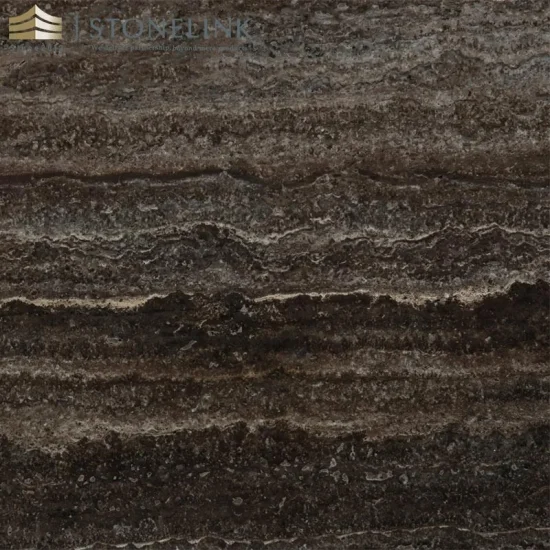
What Black Travertine Actually Is
Travertine is a sedimentary limestone deposited by mineral springs, and its signature look comes from gas bubbles that leave voids in the stone. Black travertine gets its color from iron and organic content in the water that formed it, producing shades from deep grey-silver through to near-black with warm undertones.
The key trait buyers notice is the surface. Even when filled and honed, black travertine keeps a subtle, uneven texture that reads as natural and hand-finished. That sets it apart from the flat uniformity of black granite or the crystalline shine of polished marble. It is a stone that looks honest rather than engineered.
Black Travertine vs. Black Marble and Limestone
These three get confused, so here is the practical distinction:
- Black travertine shows visible voids and bands, and feels warmer and more porous. It wants sealing, especially in wet areas.
- Black marble (Nero Marquina, for example) is denser, polishes to a high gloss, and shows sharp white veining rather than open texture.
- Black limestone is tighter and more uniform, usually without the banded voids, and reads flatter overall.
For designers, the choice comes down to mood. Travertine gives organic depth; marble gives drama and shine; limestone gives quiet consistency.
Slab and Tile Formats
Out of our Shuitou and Xiamen operations, black travertine is typically offered as:
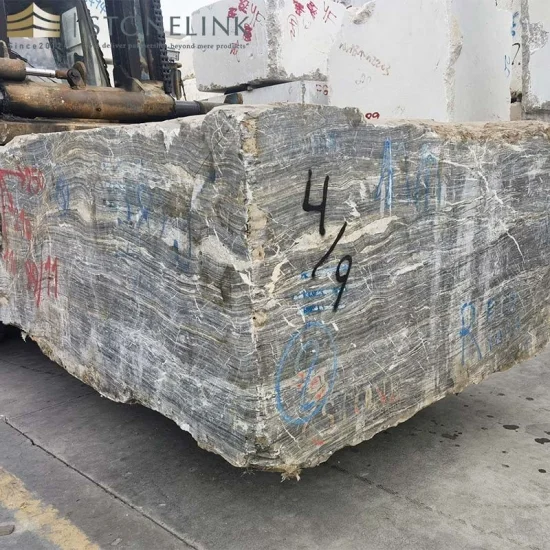
- Slabs: 2400–2800 mm × 1200–1500 mm, 18–20 mm thick. Cross-cut and vein-cut orientations are both available, and they look markedly different, cross-cut shows the rounded, cloud-like patterns, vein-cut shows linear striping.
- Tiles: 600×600 mm, 600×1200 mm, and French-pattern sets, normally 12–15 mm. Filled and honed is the standard finish.
- Finishes: honed is dominant. Brushed and sandblasted finishes play up the texture for exterior or防滑 use. Polished black travertine exists but is less common and shows fill lines more obviously.
Stonelink has held travertine in stock since 2012 alongside our other stone families, and our 60,000 m² inventory across 2,000+ designs means dark travertine can usually ship as part of a mixed container rather than a dedicated block run.
Where Black Travertine Works Best
- Feature walls and lobby cladding. The dark body anchors a space and the texture catches light without glare.
- Bathrooms. Honed black travertine floors and shower walls feel spa-like. Seal thoroughly and avoid standing water on unfilled surfaces.
- Exterior façades and paving. In non-freeze climates, brushed travertine pavers perform well and age gracefully.
- Fireplace surrounds and accent panels. A small amount goes a long way visually.
Sealing and Maintenance
Black travertine is more porous than marble or granite, so sealing is not optional. Use a penetrating impregnator before install and refresh it on a schedule tied to traffic and exposure. Filled and honed surfaces are easier to maintain than unfilled, but both need pH-neutral cleaning, acidic products will dull the stone and etch the filler.
Price Range
Dark travertine sits above standard beige grades but below most exotic black marbles. Industry range runs roughly USD 30–70 per m² for slabs FOB China, with tiles a little lower. The wider the slab and the cleaner the void pattern, the higher the grade, and vein-cut book-matched material carries a premium because yield is lower.
Frequently Asked Questions
Is black travertine suitable for kitchen counters?
It can work as a honed, well-sealed surface, but it is softer and more porous than granite or quartzite. Expect patina from oils and acids unless you commit to regular sealing. Many clients use it for backsplashes and islands rather than full prep counters.
Filled or unfilled, which should I choose?
Filled and honed is the safer pick for floors and wet areas because it resists staining and is easier underfoot. Unfilled, open-void travertine is a deliberate aesthetic choice for accent walls but needs more care.
Does the color fade outdoors?
In freeze-thaw climates, any travertine can spall, so we do not recommend it for those regions. In stable, warmer climates, properly installed and sealed black travertine holds its color for years.
Can I mix it with other stones in one container?
Yes. We consolidate mixed containers regularly for our 80+ export markets, so black travertine can travel alongside marble, limestone, or onyx without issue.
Explore Our Stone Collection
Looking for the right slab for your project? Browse Stonelink’s inventory of 2,000+ designs across marble, granite, quartzite, travertine, onyx and limestone.
Ready to Source Black Travertine?
Contact the Stonelink team to review slab photos, confirm vein-cut versus cross-cut orientation, and price a mixed container. We source globally and ship from Shuitou and Xiamen.
Frequently Asked Questions
How can I import natural stone from China?
Most overseas buyers work with us in four steps: (1) share your project specs or choose from our inventory; (2) we send whole-slab photos and video so you see exact veining before committing; (3) we handle packing, booking and ocean freight from Xiamen/Shuitou; (4) goods arrive at your port with full documentation. English communication and container-load or LCL both supported.
What is your minimum order quantity (MOQ) and lead time?
MOQ typically starts from one container, and mixed sizes or products are accepted. Standard lead time is about 15–25 days after order confirmation, with slab photos and video provided before shipment so you know exactly what you receive.
Can you send stone samples before I place an order?
Yes. We provide samples — offcuts or small slabs — so you can verify color, finish and quality before committing to a full shipment. Samples are shipped worldwide by courier, and the sample cost is typically credited against your first container order.
Do you provide quality control and certifications?
Yes. Stonelink is a China-based natural stone manufacturer and exporter operating from the Xiamen and Shuitou stone hub since 2012, with a 60,000 m² inventory spanning 2,000+ designs and direct quarry access, shipping to 80+ countries. Every shipment is inspected for packing and quality before loading, and we can arrange third-party inspection and the documentation your destination requires. Tell us your certification needs (CE, SGS, etc.) and we will match them.
How do I choose the right natural stone for my project?
Start with the application: floors and high-traffic areas favor harder stones (granite, quartzite), while marble and onyx shine in lower-abuse, design-led spaces. Match the finish to the mood (polished for drama, honed for calm), confirm color stability under your lighting, and review whole-slab photos or video with our team before you buy. We advise free of charge based on your project.
What shipping terms and documents are included?
We ship FOB Xiamen/Shuitou as standard and can also quote CIF or DDP to your port. We handle export packing, container booking and ocean freight, and provide the full document set — commercial invoice, packing list, Bill of Lading, certificate of origin and insurance. Both full containers and LCL are supported.