
China is now the world’s largest processing and exporting hub for natural stone, and for good reason. Between the quarry access, the finishing capacity, and the logistics that run out of Xiamen and Shuitou, an importer can source marble, granite, quartzite, travertine, limestone, and onyx from a single supply base. But “import stone from China” hides a lot of moving parts. Get the sequence right and you protect your margin; skip a step and you pay for it in rejections, demurrage, or a container that clears customs two weeks late. This guide walks through the actual buying path we see importers take, from the first inquiry to the slab on your warehouse floor.
Step 1: Define What You Actually Need
Before you email a single factory, lock down the spec. Buyers who send “I want white marble” waste two weeks of back-and-forth. Be specific about the stone family, the color tone, the finish, the format (slab, tile, or cut-to-size), and the quantity. If you need Calacatta-style white with grey veining in 2 cm polished slabs, say so. If you’re not sure which material fits your project, tell the supplier the application, your budget range, and let them recommend. A serious manufacturer would rather quote against a clear brief than guess.
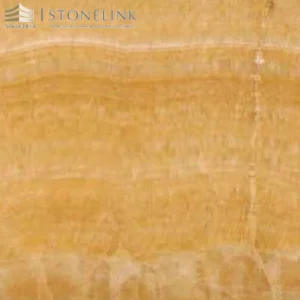
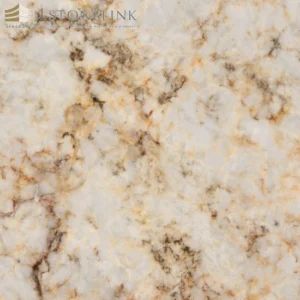
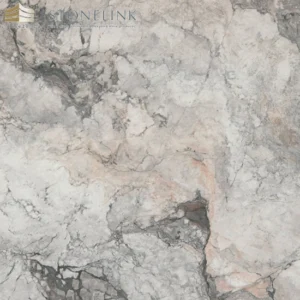
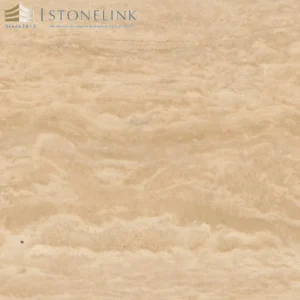
For reference, the six stone families most buyers work with are marble, granite, quartzite, travertine, limestone, and onyx. Each behaves differently in fabrication and shipping, and each has its own price band, so narrowing the family early keeps your quote comparable.
Step 2: Choose a Supplier With Real Inventory
Stock depth is the single biggest factor in your lead time. A factory that only cuts to order against a block you’re sharing with three other buyers will quote you 30–45 days; one sitting on 60,000 m² of inventory across 2,000+ designs can usually ship from stock within a week or two. Stonelink has run a 60,000 m² warehouse in Shuitou and Xiamen since 2012, which is why most standard marble and granite items leave the yard fast. When you ask a supplier for a lead time, also ask what percentage of your order is available from ready stock versus made to order. That ratio tells you more than the headline number.
Step 3: Request Samples and a Physical Check
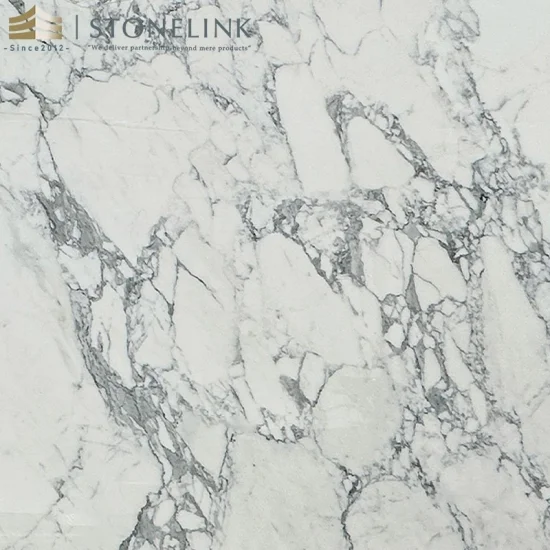
Photos lie, especially under showroom lighting. For any order over a few slabs, request physical samples or, better, a video call where the supplier walks the bundle you’ll receive. Check veining continuity, background tone, and resin or filler treatment on the marble. For granite and quartzite, confirm the polish holds and there are no hairline fractures. A reliable supplier expects this and will book a time slot. If they resist showing you the actual material, that’s your signal.
Step 4: Confirm Quotation, Incoterms, and Payment
Your quote should state the Incoterm clearly: FOB Xiamen, CIF your port, or EXW factory. FOB is simplest to compare across suppliers; CIF bundles freight and insurance so you know your landed cost early. Payment normally runs 30% deposit with the balance against a copy of the bill of lading, though established buyers with a track record can negotiate better. Never pay 100% up front to an unverified supplier. Pricing sits in an industry range that moves with material grade, thickness, and finish, so treat “from $X/m²” figures as starting points, not commitments.
Step 5: Production, Inspection, and Packing
Once the deposit lands, the supplier cuts, finishes, and packs. This is where quality control earns its keep. Insist on a pre-shipment inspection covering thickness tolerance, diagonal accuracy, edge polish, and bundle labeling. Good packers use fumigated wooden crates with foam or plastic between slabs; weak packing is the most common cause of breakage claims. Stonelink runs direct quarry access plus global sourcing, so material grading is controlled before it even reaches the finishing line, which trims the defect rate you’d otherwise catch at inspection.
Step 6: Shipping and Customs Clearance
Stone moves in 20-foot containers, typically 20–28 tons depending on material density. Your supplier books the space and handles export declaration; you or your freight forwarder handle import clearance and duties. Have your HS codes ready (6802 series for worked stone) and your certificate of origin if your country grants preferential rates. Build in a buffer for port congestion, particularly around Chinese New Year when the whole supply chain slows for two to three weeks.
Step 7: Receive, Inspect, and Reconcile
On arrival, count the bundles against the packing list before the truck leaves the terminal if your local rules allow. Photograph any damage at the container, note it on the delivery receipt, and file a claim within the carrier’s window. Keep the inspection photos and the bill of lading; they’re your evidence. Most damage disputes are won or lost in the first 24 hours after unloading.
Frequently Asked Questions
Is it cheaper to import stone from China than buy locally?
In most cases yes, on a per-square-meter basis, because Chinese finishing capacity and quarry access compress cost. The trade-off is lead time and freight, so for urgent small jobs local stock can still win. Run a landed-cost comparison that includes ocean freight, duty, and inland trucking before you decide.
How long does a typical order take from China?
Stock items can ship in 7–14 days. Made-to-order or cut-to-size work runs 25–45 days plus 20–35 days on the water, depending on your port. Plan from the project deadline backward, not from the order date forward.
What documents do I need to clear customs?
Commercial invoice, packing list, bill of lading, and usually a certificate of origin. Some countries also want a radiation or material test certificate for stone. Ask your forwarder early so the supplier can prepare the right paperwork.
Can a Chinese supplier handle private labeling and mixed containers?
Yes. Most exporters accept mixed loads, so you can combine marble, granite, and tiles in one container to hit the minimum volume. Private labeling and custom crate marks are standard for repeat buyers. You just need to plan the mix so the container weight stays balanced.
Explore Our Stone Collection
Looking for the right slab for your project? Browse Stonelink’s inventory of 2,000+ designs across marble, granite, quartzite, travertine, onyx and limestone.
Ready to Source From China?
Contact the Stonelink team for stock availability, lead times, and a quote built around your project. We ship from Shuitou & Xiamen to 80+ countries and hold 60,000 m² of inventory across 2,000+ designs.
Frequently Asked Questions
How can I import natural stone from China?
Most overseas buyers work with Stonelink in four clear steps. (1) Share your project specifications, drawings or inspiration photos, or choose directly from our 60,000 m² inventory of 2,000+ designs. (2) We send whole-slab high-resolution photos and short video so you can verify exact veining, color and finish before committing — bookmatching and sequence are confirmed at this stage. (3) We handle export packing (foam-protected, fumigated wooden crates), container booking and ocean freight from Xiamen or Shuitou port. (4) Goods arrive at your destination port with the full document set (commercial invoice, packing list, Bill of Lading, certificate of origin, insurance). We support both full-container-load and LCL shipments, and all communication is in English.
What is your minimum order quantity (MOQ) and lead time?
MOQ typically starts from one container (about 20–27 tons depending on slab size and thickness), and mixed sizes or products are accepted so you can consolidate an entire project in one shipment. For smaller trials we can sometimes ship an LCL (less-than-container) batch of a few slabs, though the per-unit freight is higher; ask us and we will quote both options. Standard lead time is about 15–25 days after order confirmation for in-stock materials, or longer for custom cutting and special finishes. Before shipment we provide whole-slab photos and video so you know exactly what you receive, and we can hold stock for phased deliveries. For recurring orders we offer reserved inventory and rolling production schedules to keep your supply chain steady, and we quote both FOB Xiamen/Shuitou and delivered CIF or DDP to your port.
Can you send stone samples before I place an order?
Yes. We provide samples — offcuts or small slabs — so you can verify color, finish and quality before committing to a full shipment. Samples ship worldwide by courier (DHL, FedEx or UPS), typically within 3–7 days, and the sample cost is usually credited against your first container order. For large projects we can also send a full digital package — high-resolution whole-slab photos and short videos — so your designers can spec with confidence before any physical sample moves. Tell us the exact application, dimensions and finish you need and we will pick the most representative pieces rather than random offcuts, so the sample truly reflects the batch you would receive.
Do you provide quality control and certifications?
Yes. Stonelink is a China-based natural stone manufacturer and exporter operating from the Xiamen and Shuitou stone hub since 2012, with a 60,000 m² inventory spanning 2,000+ designs and direct quarry access, shipping to 80+ countries. Every shipment is inspected for packing and quality before loading — slabs are checked for cracks, bow, thickness tolerance and finish, then crated in foam-protected, fumigated wooden packaging. We can arrange third-party inspection (SGS, Intertek and similar) and supply the documentation your destination requires: commercial invoice, packing list, Bill of Lading, certificate of origin and, where relevant, CE marking or material test reports. Tell us your certification and labeling needs (for example the EU, US, Australia or Middle East) and we will match them and pre-clear the paperwork so customs clearance goes smoothly.
How do I choose the right natural stone for my project?
Start with the application: floors and high-traffic areas favor harder stones (granite, quartzite), while marble and onyx shine in lower-abuse, design-led spaces such as feature walls and vanities. Match the finish to the mood — polished for drama, honed for calm, leathered for texture — and confirm color stability under your actual lighting, since natural stone shifts with light. For wet areas choose a denser, well-sealing material and an appropriate finish, and review whole-slab photos or video with our team before you buy. We advise free of charge based on your project’s traffic, budget and aesthetic, so you avoid expensive mismatches and rework.
What shipping terms and documents are included?
We ship FOB Xiamen or Shuitou as standard and can also quote CIF or DDP to your port, so you control insurance and freight or let us handle it end to end. We manage export packing, container booking and ocean freight, and provide the full document set: commercial invoice, packing list, Bill of Lading, certificate of origin and cargo insurance. Both full-container-load and LCL (less-than-container-load) shipments are supported, and for landlocked destinations we can arrange door-to-door multimodal transport. Tell us your delivery address and incoterm preference and we will quote a landed cost, not just an ex-works price, so there are no surprises at the border.