
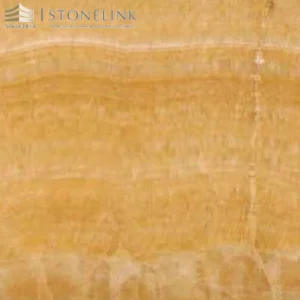
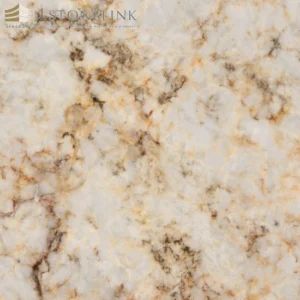
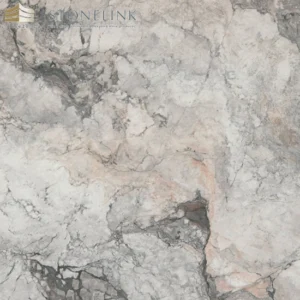
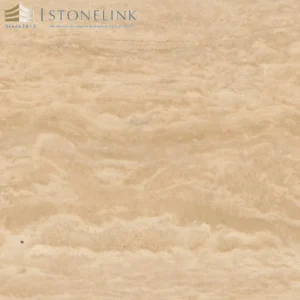
When buyers search for white marble types, they usually have a single goal: find the right white stone without overpaying or receiving the wrong variety. White marble is the most specified natural stone in luxury interiors, yet the names get used loosely by sellers. Carrara, Calacatta, Statuario, Arabescato, and the so-called “gold spider” marbles all share a pale ground, but they differ sharply in veining, rarity, price, and where each performs best. This guide compares the main white marble types side by side so you can specify, import, or buy with confidence.
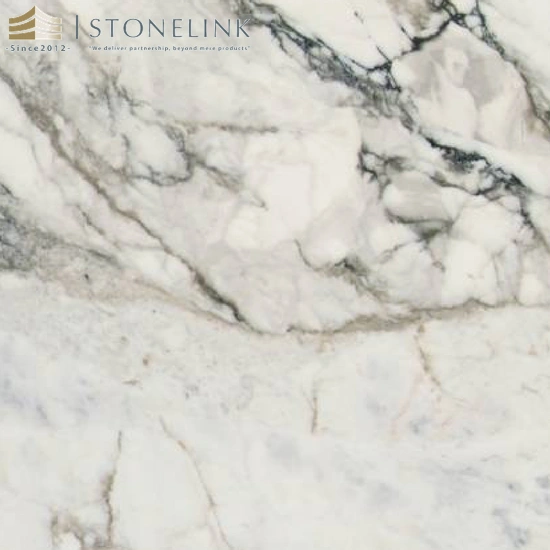
Carrara Marble: The Everyday Classic
Carrara is the most produced white marble in the world, quarried from the Apuan Alps of Italy around the town of Carrara. Its identity is a soft white to light grey ground crossed by fine, misty grey veining. The patterns are subtle and linear rather than dramatic, which is exactly why designers reach for it in large floor areas and bathrooms where calm uniformity matters more than a single showpiece slab.
Because Carrara is abundant, it is also the most economical white marble. It is the right choice when budget matters but you still want genuine Italian marble. The trade-off is that its veins are quieter than Calacatta’s, so it reads as elegant rather than theatrical. Like all marble, Carrara is calcium carbonate, so it will etch if exposed to lemon, vinegar, or other acids, and it benefits from periodic sealing on kitchen surfaces.
Calacatta Marble: Bold, White, and Premium
Calacatta also comes from the Apuan Alps but from rarer, smaller quarries. The differences from Carrara are immediate. Calacatta sits on a whiter, often creamier ground and carries bold, dramatic veining in grey with frequent gold or brown highlights. The veins are thick, irregular, and artistic, breaking large quiet fields of white with strong movement. This is the marble of statement islands and feature walls.
Calacatta is priced well above Carrara because the usable yield is lower and demand is higher. Within the Calacatta family you will meet sub-varieties such as Calacatta Gold (warm gold veining), Calacatta Borghini, and Calacatta Viola (purple-grey accents). For buyers, the practical rule is to confirm exactly which Calacatta sub-type a quote describes, because price and appearance vary widely between them.
Statuario Marble: The Dramatic Optical White
Statuario is the elite cousin of the group. It shares the Apuan region and a white ground but pushes toward a cooler, brighter, almost optical white with thinner, more disciplined grey veining. Where Calacatta looks like a thunderstorm of movement, Statuario reads as crisp and architectural. It is the rarer and usually the most expensive of the three Italian whites, prized for refined hotel bathrooms, minimalist kitchens, and book-matched walls.
If your project needs the “cleanest” white with restrained, linear veining, Statuario is the answer. If you want warmth and drama, Calacatta wins. If you want value and subtle texture, Carrara is the workhorse. These three Italian whites sit at the top of most specification lists, but they are far from the only white marble types worth knowing.
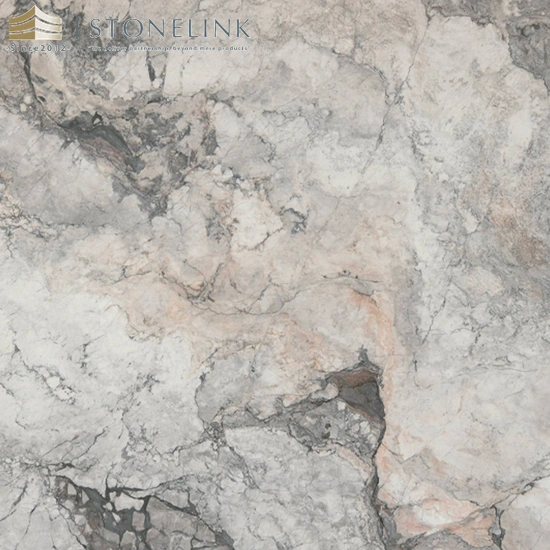
Arabescato and Other Decorative Whites
Arabescato is an Italian white marble defined by swirling, web-like grey veining that looks hand-drawn. It is bolder than Carrara yet softer than full Calacatta drama, which makes it a favorite for vanities and backsplashes. The “gold spider” or spider-veined whites carry fine branching gold lines across a pale ground and suit accent pieces rather than whole floors.
Beyond Italy, white marble types include Eastern marbles such as White Ariston, Volakas from Greece (often a Calacatta look-alike at a friendlier price), and Chinese white marbles that offer consistent supply for large commercial jobs. Each brings a different balance of whiteness, vein contrast, and cost, so the “best” white marble is always the one that fits the budget and the design language of the room.
White Marble vs White Quartzite
Many buyers who want a white stone are shown white quartzite such as Super White or Cristallo as a harder alternative. Quartzite is metamorphic sandstone, far more resistant to etching and scratching than marble, but its movement is usually softer and it can read more grey than true white. If acid resistance matters, for example on a busy kitchen counter, quartzite or a porcelain substitute may be the smarter long-term pick. If the brief calls for the unmistakable luminous depth of real marble, the white marbles above remain the standard.
How to Choose the Right White Marble Type
Start with the space and the traffic. Low-acid, low-impact areas such as bathroom walls, fireplace surrounds, and decorative panels welcome any white marble type, including the delicate Arabscatos. Kitchen counters tolerate marble but need sealing and a tolerance for patina. Then match the look: Carrara for quiet elegance, Calacatta for drama, Statuario for crisp luxury, Arabescato for artful movement.
Always inspect full slabs, not small samples, because marble is a book of one page per block. Veining density, ground whiteness, and fissure content change slab to slab. Request photos of the actual slab you will receive, confirm thickness (usually 2 cm or 3 cm), and agree on a sealing and packing standard before you pay.
Stonelink’s White Marble Supply
Stonelink has supplied white marble types to 80+ countries since 2012, from our Xiamen and Shuitou bases with direct quarry access and global sourcing. Our 60,000 m² inventory spans 2,000+ designs across marble, granite, quartzite, and more, so importers can compare Italian, Greek, and Chinese whites side by side and book the exact slabs they see. For large projects we can hold matched blocks to keep veining consistent across a whole floor or wall.
Frequently Asked Questions
Which white marble is cheapest?
Carrara is generally the most economical white marble because it is quarried in large volume. Volakas and some Chinese whites can be even more competitive for big commercial orders, while Calacatta and Statuario sit at the premium end.
Is Calacatta more expensive than Carrara?
Yes. Calacatta comes from smaller, rarer quarries and carries bolder veining, so it typically costs several times more than Carrara. Always confirm the specific Calacatta sub-variety on a quote, since prices differ within the family.
Do white marbles stain easily?
Marble is porous and will stain if spills sit, but the bigger risk is etching from acids like lemon or vinegar, which leaves a dull mark. Regular sealing and prompt wiping keep white marble looking clean.
Can I use white marble on a kitchen counter?
You can. Many designers do, accepting that marble develops a gentle patina. If you want the white look with far better acid resistance, compare a white quartzite such as Super White before deciding.
White Marble Finishes: Polished, Honed, Leathered
The finish changes both the look and the upkeep. A polished white marble is mirror-bright and makes veining pop, but it shows etching and scratches most clearly. A honed (matte) white marble hides etching far better and feels softer underfoot, which is why many bathrooms and floors use honed finishes. Leathered white marble has a subtle textured sheen that resists fingerprints and reads as organic. For a kitchen where patina worries you, honed or leathered is the safer choice; for a glamorous powder room, polished is the showpiece.
Grading, Price Drivers, and Buying Mistakes
White marble is graded on ground whiteness, vein contrast, fissure content, and slab size. Book-matchable blocks cost more because two slabs must mirror each other across a seam. Price is also driven by origin, with Italian quarries commanding premiums over equivalent-looking Greek or Chinese stones. The most common buying mistake is choosing from a small sample and being surprised by the full slab; the second is assuming “Calacatta” on an invoice means the premium Italian stone rather than a look-alike. Always photograph the actual slab, confirm the sub-type in writing, and agree on a sealing and packing standard before payment.
White Marble Care Cheat-Sheet
Caring for white marble is simpler than its reputation suggests. Wipe spills the moment they happen, especially anything acidic like wine, citrus, coffee, or tomato. Clean with warm water and a few drops of pH-neutral soap, never vinegar or generic bathroom sprays. Use coasters and trivets, and reseal when a water drop stops beading on the surface. With those habits, white marble stays bright for decades and develops a soft, lived-in character that many owners grow to love. The goal is not a sterile showroom look but a natural stone that ages gracefully in a real home.
Explore Our Stone Collection
Looking for the right slab for your project? Browse Stonelink’s inventory of 2,000+ designs across marble, granite, quartzite, travertine, onyx and limestone.
Ready to Source White Marble?
Contact the Stonelink team to compare slabs from our 60,000 m² inventory and get an export quote for your next project.
Frequently Asked Questions
How can I import natural stone from China?
Most overseas buyers work with Stonelink in four clear steps. (1) Share your project specifications, drawings or inspiration photos, or choose directly from our 60,000 m² inventory of 2,000+ designs. (2) We send whole-slab high-resolution photos and short video so you can verify exact veining, color and finish before committing — bookmatching and sequence are confirmed at this stage. (3) We handle export packing (foam-protected, fumigated wooden crates), container booking and ocean freight from Xiamen or Shuitou port. (4) Goods arrive at your destination port with the full document set (commercial invoice, packing list, Bill of Lading, certificate of origin, insurance). We support both full-container-load and LCL shipments, and all communication is in English.
What is your minimum order quantity (MOQ) and lead time?
MOQ typically starts from one container (about 20–27 tons depending on slab size and thickness), and mixed sizes or products are accepted so you can consolidate an entire project in one shipment. For smaller trials we can sometimes ship an LCL (less-than-container) batch of a few slabs, though the per-unit freight is higher; ask us and we will quote both options. Standard lead time is about 15–25 days after order confirmation for in-stock materials, or longer for custom cutting and special finishes. Before shipment we provide whole-slab photos and video so you know exactly what you receive, and we can hold stock for phased deliveries. For recurring orders we offer reserved inventory and rolling production schedules to keep your supply chain steady, and we quote both FOB Xiamen/Shuitou and delivered CIF or DDP to your port.
Can you send stone samples before I place an order?
Yes. We provide samples — offcuts or small slabs — so you can verify color, finish and quality before committing to a full shipment. Samples ship worldwide by courier (DHL, FedEx or UPS), typically within 3–7 days, and the sample cost is usually credited against your first container order. For large projects we can also send a full digital package — high-resolution whole-slab photos and short videos — so your designers can spec with confidence before any physical sample moves. Tell us the exact application, dimensions and finish you need and we will pick the most representative pieces rather than random offcuts, so the sample truly reflects the batch you would receive.
Do you provide quality control and certifications?
Yes. Stonelink is a China-based natural stone manufacturer and exporter operating from the Xiamen and Shuitou stone hub since 2012, with a 60,000 m² inventory spanning 2,000+ designs and direct quarry access, shipping to 80+ countries. Every shipment is inspected for packing and quality before loading — slabs are checked for cracks, bow, thickness tolerance and finish, then crated in foam-protected, fumigated wooden packaging. We can arrange third-party inspection (SGS, Intertek and similar) and supply the documentation your destination requires: commercial invoice, packing list, Bill of Lading, certificate of origin and, where relevant, CE marking or material test reports. Tell us your certification and labeling needs (for example the EU, US, Australia or Middle East) and we will match them and pre-clear the paperwork so customs clearance goes smoothly.
How do I choose the right natural stone for my project?
Start with the application: floors and high-traffic areas favor harder stones (granite, quartzite), while marble and onyx shine in lower-abuse, design-led spaces such as feature walls and vanities. Match the finish to the mood — polished for drama, honed for calm, leathered for texture — and confirm color stability under your actual lighting, since natural stone shifts with light. For wet areas choose a denser, well-sealing material and an appropriate finish, and review whole-slab photos or video with our team before you buy. We advise free of charge based on your project’s traffic, budget and aesthetic, so you avoid expensive mismatches and rework.
What shipping terms and documents are included?
We ship FOB Xiamen or Shuitou as standard and can also quote CIF or DDP to your port, so you control insurance and freight or let us handle it end to end. We manage export packing, container booking and ocean freight, and provide the full document set: commercial invoice, packing list, Bill of Lading, certificate of origin and cargo insurance. Both full-container-load and LCL (less-than-container-load) shipments are supported, and for landlocked destinations we can arrange door-to-door multimodal transport. Tell us your delivery address and incoterm preference and we will quote a landed cost, not just an ex-works price, so there are no surprises at the border.