
If you have been comparing white and grey stones for a kitchen, you may have come across the term “dolomite marble.” It looks like marble, it is often sold alongside marble, and yet stone professionals treat it a little differently. So what is dolomite marble exactly? It is a calcium magnesium carbonate rock that behaves like a tougher, slightly more acid-resistant cousin of true marble. For buyers who love the marble look but worry about etching and scratching, dolomite is increasingly the smart compromise. This guide explains what dolomite is, how it compares to marble, where it works best, and why it has become a quiet favorite among fabricators who want marble’s elegance without marble’s anxiety.
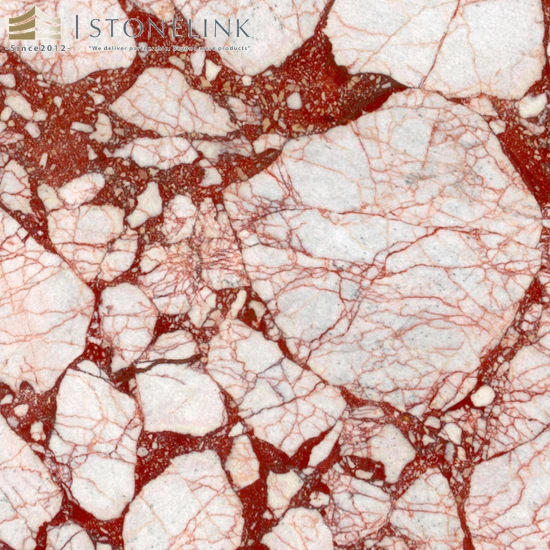
What Is Dolomite?
Dolomite, sometimes called dolomitic marble, is a sedimentary and metamorphic rock rich in the mineral dolomite, a form of calcium magnesium carbonate. True marble is made almost entirely of calcite, a calcium carbonate. The substitution of magnesium into the crystal structure is small chemically but meaningful practically: it makes dolomite a touch harder and more resistant to acid than ordinary marble.
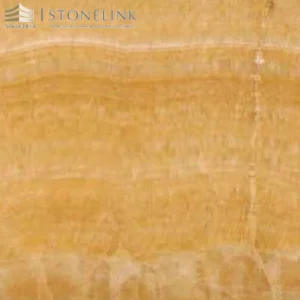
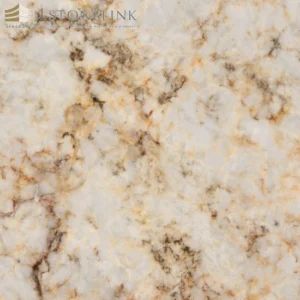
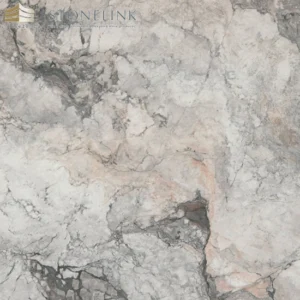
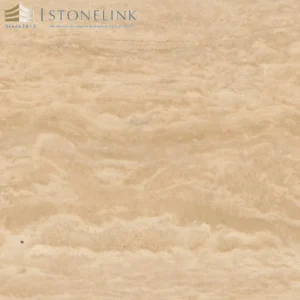
Visually, dolomite is easily mistaken for marble. It comes in whites, soft greys, and warm beiges, often with gentle veining that reads as elegant rather than dramatic. That similarity is exactly why it is marketed as “dolomite marble”, it delivers the marble aesthetic with a bit more forgiveness in a working kitchen, and most guests will never know the difference.
Dolomite vs Marble: The Key Differences
The comparison comes down to three factors: hardness, acid resistance, and appearance.
Hardness: Marble sits around Mohs 3 to 4. Dolomite typically lands closer to 3.5 to 4.5, marginally harder. It will still scratch under force, but it resists everyday wear a little better than calcite marble and shows fewer hairline marks from routine use.
Acid resistance: This is the headline advantage. Marble etches quickly when lemon, vinegar, or wine touches it. Dolomite, because of its magnesium content, etches more slowly and less severely. It is not acid-proof, but it is more forgiving, which matters on a kitchen island where spills happen.
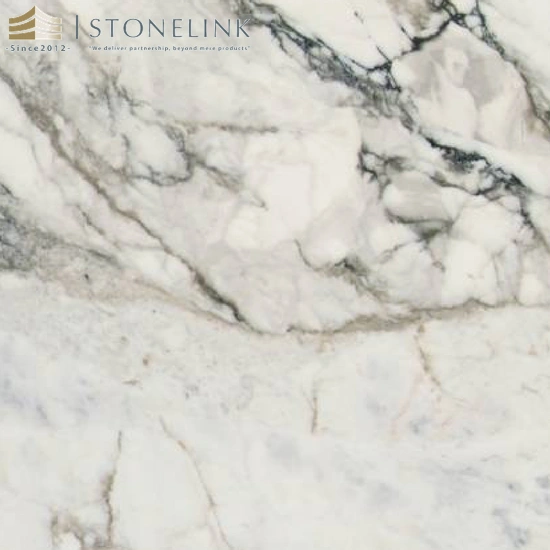
Appearance: Dolomite tends toward subtle, quiet patterning, while marble can range from whisper-soft Carrara to bold Calacatta. If you want drama, marble wins; if you want a calm, durable white-grey surface, dolomite is compelling.
Is Dolomite Better Than Quartzite?
Not for raw toughness. True quartzite, around Mohs 7, remains harder and more acid resistant than dolomite. But dolomite usually costs less and offers a softer, more marble-like look that quartzite in its whiter forms cannot always match. Think of the ranking as marble, then dolomite, then quartzite, each step up in durability and usually up in price. Dolomite sits in the sweet spot for buyers who want marble visuals with noticeably less maintenance than calcite marble but do not need the bulletproof performance of quartzite.
Where Dolomite Works Best
Dolomite shines in kitchens and bathrooms where the marble look is wanted but the maintenance of calcite marble feels risky. It handles vanities, island tops, and backsplashes well, provided you still seal it and clean with pH-neutral products. It is less ideal for heavy outdoor exposure where harder igneous stone would be safer, but for interior surfaces it is an excellent all-rounder that satisfies both designers and practical homeowners.
Like marble, dolomite should be sealed on installation and resealed periodically, and acidic cleaners should be avoided. The difference is that an occasional overlooked spill is less likely to leave a permanent etched ring, which takes a lot of stress out of daily life with a white stone.
Stonelink’s Dolomite Supply
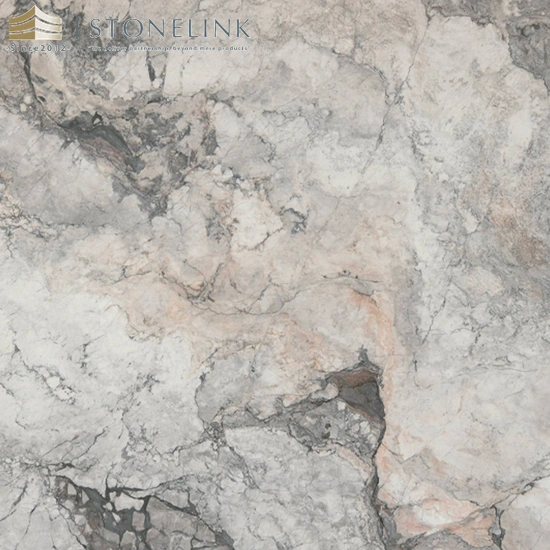
Stonelink supplies dolomite as a more durable marble alternative for buyers who want the look without the full maintenance load. Among the options we source is a Materazzo-type dolomite, a clean white-grey stone with restrained veining that performs well on kitchen islands and vanities. Because we have direct quarry access and global sourcing from our Xiamen and Shuitou bases, with a 60,000 m² inventory and 2,000+ designs serving 80+ countries since 2012, we can usually show dolomite alongside comparable marbles and quartzites so buyers can see the difference side by side before containerizing. Seeing the three together makes the hardness and veining differences obvious in a way that spec sheets never do.
Buying Tips
When evaluating dolomite, ask for the technical sheet and check hardness and absorption figures. Confirm the finish, honed dolomite hides wear better than polish, and discuss edge profile with your fabricator since dolomite is still a relatively soft stone that benefits from a slightly eased edge. Most importantly, view a full slab rather than a small sample, because veining density varies block to block and a small offcut may not represent the whole surface you will live with.
Dolomite Colors and Finish Options
Although best known in white and soft grey, dolomite also appears in warm beiges and faintly green-grey tones depending on trace minerals. Finishes run from high polish, which shows the most depth but reveals wear sooner, to honed, the pragmatic favorite for kitchens, and leathered, a textured low-sheen option that hides fingerprints and water spots. For a working island, honed or leathered dolomite is usually the smarter specification than a mirror polish.
Common Dolomite Myths
Two myths deserve correction. First, that dolomite is “just marble with a different name.” It is geologically distinct enough to etch and scratch less, which matters in real use. Second, that dolomite never needs sealing. It still absorbs and still etches, only more slowly, so skipping sealer eventually causes stains. Treat it as a more forgiving marble, not a maintenance-free stone, and it will reward you.
Cost Compared With Marble and Quartzite
Dolomite typically sits between marble and quartzite in price. It is often close to or slightly above common marble, and below most exotic quartzites, which makes it an attractive value for buyers who want durability without the top-tier quartzite invoice. Exact pricing depends on the block, thickness, and freight, but as a category it fills the gap for practical luxury kitchens.
Edge Profiles and Fabrication Notes
Because dolomite is still a relatively soft stone, edge choice affects both looks and durability. A simple eased or pencil edge resists chipping better than a sharp 90-degree arris, and a mitered waterfall edge shows off the slab’s depth on islands. Fabricators should use diamond tooling and avoid excessive heat during polishing, which can stress the surface. Specifying a slightly thicker slab, 3 cm rather than 2 cm, adds rigidity on longer spans and gives the stone a more substantial, premium presence in the finished kitchen.
Where Dolomite Fits Beyond the Kitchen
Beyond islands and vanities, dolomite works well for bathroom surrounds, fireplace cladding, and low-traffic feature walls where its calm white-grey tone adds quiet luxury. It is less suited to flooring in busy commercial spaces, where harder quartzite or granite would wear better, and to exterior paving exposed to freeze-thaw, where dense stone is safer. Used in the right interior setting, dolomite delivers the marble fantasy with noticeably less daily anxiety, which is exactly why designers keep specifying it for family homes.
Care Routine That Keeps Dolomite Looking New
Daily care is simple: wipe with warm water and a drop of mild, pH-neutral soap, dry with a soft cloth, and never let acidic liquids sit. Reseal once or twice a year depending on use, and use cutting boards and trivets as you would with any natural stone. With that light routine, dolomite will hold its quiet elegance for many years, making it one of the most sensible “marble-look” choices on the market.
Frequently Asked Questions
What is the difference between dolomite and marble?
Marble is mostly calcite; dolomite contains magnesium-rich calcium carbonate. That makes dolomite slightly harder and more resistant to acid etching, while looking very similar to marble.
Is dolomite marble good for kitchens?
Yes, it is a strong choice for kitchens. It offers the marble look with better resistance to etching and scratching than calcite marble, though it still needs sealing and gentle cleaning.
Does dolomite etch like marble?
It etches less readily than marble because of its magnesium content, but it is not immune. Acidic spills should still be wiped promptly and acidic cleaners avoided.
Is dolomite harder than marble?
Slightly. Dolomite generally measures a bit higher on the Mohs scale than calcite marble, which translates to better everyday scratch and wear resistance.
Explore Our Stone Collection
Looking for the right slab for your project? Browse Stonelink’s inventory of 2,000+ designs across marble, granite, quartzite, travertine, onyx and limestone.
Ready to Source Dolomite Marble?
Contact the Stonelink team to compare slabs from our 60,000 m² inventory and get an export quote for your next project.
Frequently Asked Questions
How can I import natural stone from China?
Most overseas buyers work with Stonelink in four clear steps. (1) Share your project specifications, drawings or inspiration photos, or choose directly from our 60,000 m² inventory of 2,000+ designs. (2) We send whole-slab high-resolution photos and short video so you can verify exact veining, color and finish before committing — bookmatching and sequence are confirmed at this stage. (3) We handle export packing (foam-protected, fumigated wooden crates), container booking and ocean freight from Xiamen or Shuitou port. (4) Goods arrive at your destination port with the full document set (commercial invoice, packing list, Bill of Lading, certificate of origin, insurance). We support both full-container-load and LCL shipments, and all communication is in English.
What is your minimum order quantity (MOQ) and lead time?
MOQ typically starts from one container (about 20–27 tons depending on slab size and thickness), and mixed sizes or products are accepted so you can consolidate an entire project in one shipment. For smaller trials we can sometimes ship an LCL (less-than-container) batch of a few slabs, though the per-unit freight is higher; ask us and we will quote both options. Standard lead time is about 15–25 days after order confirmation for in-stock materials, or longer for custom cutting and special finishes. Before shipment we provide whole-slab photos and video so you know exactly what you receive, and we can hold stock for phased deliveries. For recurring orders we offer reserved inventory and rolling production schedules to keep your supply chain steady, and we quote both FOB Xiamen/Shuitou and delivered CIF or DDP to your port.
Can you send stone samples before I place an order?
Yes. We provide samples — offcuts or small slabs — so you can verify color, finish and quality before committing to a full shipment. Samples ship worldwide by courier (DHL, FedEx or UPS), typically within 3–7 days, and the sample cost is usually credited against your first container order. For large projects we can also send a full digital package — high-resolution whole-slab photos and short videos — so your designers can spec with confidence before any physical sample moves. Tell us the exact application, dimensions and finish you need and we will pick the most representative pieces rather than random offcuts, so the sample truly reflects the batch you would receive.
Do you provide quality control and certifications?
Yes. Stonelink is a China-based natural stone manufacturer and exporter operating from the Xiamen and Shuitou stone hub since 2012, with a 60,000 m² inventory spanning 2,000+ designs and direct quarry access, shipping to 80+ countries. Every shipment is inspected for packing and quality before loading — slabs are checked for cracks, bow, thickness tolerance and finish, then crated in foam-protected, fumigated wooden packaging. We can arrange third-party inspection (SGS, Intertek and similar) and supply the documentation your destination requires: commercial invoice, packing list, Bill of Lading, certificate of origin and, where relevant, CE marking or material test reports. Tell us your certification and labeling needs (for example the EU, US, Australia or Middle East) and we will match them and pre-clear the paperwork so customs clearance goes smoothly.
How do I choose the right natural stone for my project?
Start with the application: floors and high-traffic areas favor harder stones (granite, quartzite), while marble and onyx shine in lower-abuse, design-led spaces such as feature walls and vanities. Match the finish to the mood — polished for drama, honed for calm, leathered for texture — and confirm color stability under your actual lighting, since natural stone shifts with light. For wet areas choose a denser, well-sealing material and an appropriate finish, and review whole-slab photos or video with our team before you buy. We advise free of charge based on your project’s traffic, budget and aesthetic, so you avoid expensive mismatches and rework.
What shipping terms and documents are included?
We ship FOB Xiamen or Shuitou as standard and can also quote CIF or DDP to your port, so you control insurance and freight or let us handle it end to end. We manage export packing, container booking and ocean freight, and provide the full document set: commercial invoice, packing list, Bill of Lading, certificate of origin and cargo insurance. Both full-container-load and LCL (less-than-container-load) shipments are supported, and for landlocked destinations we can arrange door-to-door multimodal transport. Tell us your delivery address and incoterm preference and we will quote a landed cost, not just an ex-works price, so there are no surprises at the border.