
Walk through a newly built hotel lobby, a spa, or a modern patio and you will likely see travertine — and a good chance it came from Turkey. Turkish travertine has become one of the most widely specified natural stones in the world, valued for its warm tones, workable surface, and dependable supply. This article explains what Turkish travertine is, why it is so popular, how it compares to Italian travertine, and what buyers should specify when ordering blocks or slabs.
What Is Travertine?
Travertine is a form of terrestrial limestone deposited by mineral springs, especially hot springs. As water evaporates, calcium carbonate precipitates and builds layered, often porous stone. That porous, banded character is precisely what gives travertine its soft, organic look. It is a sedimentary stone, milder in hardness than granite or quartzite, and typically finished honed or filled to smooth the surface.
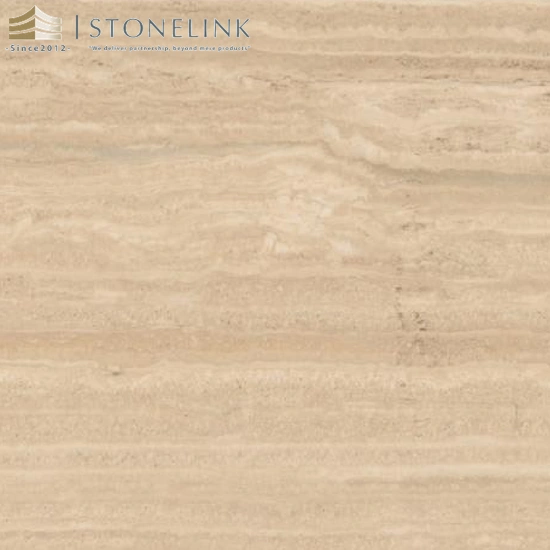
Why Turkish Travertine Is So Popular
1. Abundant, high-quality deposits
Turkey sits on extensive travertine formations, particularly in the Denizli region, which has supplied stone for centuries. The volume and consistency of Turkish deposits support steady, large-scale production.
2. Cost-effectiveness
Because supply is abundant and processing is well developed, Turkish travertine is generally more affordable than Italian travertine while delivering a comparable aesthetic. That value proposition drives its use in both budget and mid-range projects.
3. Stable, reliable supply
Turkey’s stone industry is export-oriented, with established quarries, factories, and logistics. Buyers benefit from predictable lead times and the ability to fulfill large projects without supply gaps.
4. Versatile color range
Turkish travertine spans classic beige and ivory through silver-grey and walnut tones, suiting everything from rustic patios to minimalist interiors.
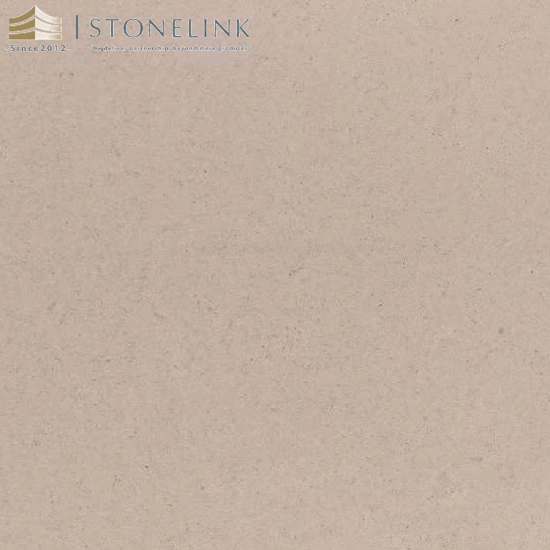
Turkish Travertine: Blocks vs Slabs
Buyers can purchase travertine in two main forms:
- Blocks: raw quarried stone for processors who cut their own slabs or tiles. Best for high-volume manufacturers with their own cutting lines.
- Slabs and cut-to-size: processed material ready for cladding, flooring, or countertops. Most distributors and project specifiers buy slabs or pre-cut formats to control finish and thickness.
For most international buyers, slabs and cut-to-size tiles are the practical choice, reducing waste and fabrication risk.
Common Applications
- Flooring and wall cladding: honed travertine is slip-resistant and warm underfoot.
- Patios and pool coping: travertine stays relatively cool and is naturally slip-resistant, making it a top pool-deck material.
- Bathrooms and spas: the soft, matte look reads as calm and premium.
- Exterior façades: durable enough for many climates when properly sealed.
Turkish Travertine vs Italian Travertine
Italian (Roman) travertine carries heritage prestige and a classic silver-beige tone famously used in Roman architecture. Turkish travertine offers a broader, often warmer color range at better value and with very stable supply. Both are genuine natural travertines; the choice usually comes down to budget, desired tone, and provenance preference.
Specifying Turkish Travertine: What to Check
- Fill: travertine’s pits are often filled with resin or cement; confirm fill type and whether it suits the application.
- Finish: honed, polished, brushed, or tumbled — each changes look and slip performance.
- Thickness and format: 2 cm or 3 cm slabs, or specific tile sizes for flooring.
- Sealing: plan for impregnating sealer, especially in wet areas.
How Stonelink Sources and Supplies Turkish Travertine
Stonelink is a China-based natural stone manufacturer and exporter since 2012, based in the Xiamen and Shuitou stone hub. Through direct quarry access plus global sourcing, the company brings turkish travertine into its 60,000 m² inventory alongside marble, quartzite, and granite. With 2,000+ designs and shipments to 80+ countries, Stonelink can consolidate travertine with other stones in container orders, simplifying procurement and reducing per-slab freight. For buyers comparing Turkish and Italian travertine, a single supplier with both origins and container-shipping experience makes specification and logistics far easier.
Finishes and How They Change the Look
Travertine’s appearance shifts dramatically with finish:
- Honed: a smooth, matte surface — the most common for floors and walls.
- Polished: glossy and richer in color, but less slip-resistant when wet.
- Brushed: a textured, natural feel that highlights the stone’s bands.
- Tumbled: softened edges for a rustic, aged appearance, popular on patios.
Choose the finish to match both aesthetics and safety. Pool decks and outdoor steps usually call for honed or tumbled for grip.
Maintenance and Longevity
Travertine is more porous than granite or quartzite, so sealing matters. An impregnating sealer applied every one to two years in wet areas prevents staining and slows wear. Clean with pH-neutral products and avoid acidic cleaners that can dull the surface. With basic care, Turkish travertine floors and cladding last for decades, which explains its popularity in hospitality projects.
Travertine in Sustainable Building
Because travertine is a natural material with low processing energy relative to manufactured surfaces, and because Turkish quarries supply steadily, it fits projects pursuing natural, low-emission specifications. Buyers should still ask about quarry rehabilitation and the supplier’s quality controls to ensure responsible sourcing.
Ordering Tips for Project Buyers
For large areas, buy from a single batch to keep color consistent, and overestimate square footage by 10–15% to cover cuts and breakage. If you mix Turkish and Italian travertine, do so deliberately by zone rather than blending randomly, so the tonal difference reads as design intent. Consolidating travertine with other stones in one container — as Stonelink supports from its Xiamen/Shuitou base — keeps freight efficient.
Turkish Travertine Color Guide
Matching the tone to the space matters:
- Classic beige / ivory: the safest, most versatile choice for floors and walls; reads warm and neutral.
- Silver / grey: cooler and more contemporary, popular in minimalist schemes.
- Walnut / noce: deeper brown tones for rustic or traditional interiors.
- Gold / yellow: warmer, distinctive veining for feature areas.
Request samples of the specific batch, since travertine tone varies between quarry blocks.
Installation Best Practices
- Substrate: use a stable, flat, crack-resistant base; movement causes lippage and cracks.
- Adhesive: a polymer-modified thin-set suitable for natural stone prevents discoloration from moisture.
- Grout: matching or lightly contrasting grout; seal grout as well as stone.
- Outdoor setting: allow drainage, use frost-resistant grades in cold climates, and choose a textured finish for slip resistance.
Proper installation is as important as material quality for a lasting turkish travertine surface.
Why Source Through a Global Supplier
Although Turkish travertine is abundant, international buyers still benefit from a consolidated sourcing partner. Ordering direct from multiple quarries means multiple shipments, multiple quality standards, and complex logistics. A supplier like Stonelink, based in the Xiamen/Shuitou hub since 2012, brings Turkish travertine into a 60,000 m² inventory alongside marble, quartzite, and granite, and ships consolidated containers to 80+ countries. That lets a buyer mix turkish travertine with other stones in one efficient order while keeping specification and quality consistent across the whole project. For repeat or phased work, sourcing from a single accountable partner also makes reordering matching material far simpler.
Travertine vs Marble in Bathrooms
Both stones appear in luxury bathrooms, but they behave differently. Marble offers denser, more dramatic veining and a cooler feel, yet etches from acidic products and needs careful sealing. Travertine is warmer, more textured, and naturally slip-resistant when honed — a practical advantage on wet bathroom floors. It is also generally more affordable, letting you clad larger wall areas for the same budget. If your design calls for soft, spa-like surfaces, turkish travertine is often the smarter, lower-risk choice; reserve marble for accent pieces where its bold patterning can shine without dominating the maintenance conversation.
Frequently Asked Questions
Is Turkish travertine good quality?
Yes. Turkey’s deposits are abundant and consistent, and its processing industry is mature. Turkish travertine offers reliable quality across a wide color range at strong value compared with Italian material.
How does Turkish travertine compare to Italian travertine?
Both are genuine natural travertines. Italian (Roman) travertine has heritage prestige and classic silver-beige tones; Turkish travertine is typically more cost-effective, available in warmer tones, and backed by very stable supply.
Is travertine suitable for outdoor use?
Yes. Travertine is a popular choice for patios, pool coping, and façades because it is naturally slip-resistant and stays relatively cool. It should be sealed in wet areas and selected in a suitable finish for the climate.
Can Stonelink supply Turkish travertine internationally?
Through global sourcing from its Xiamen/Shuitou base, Stonelink supplies Turkish travertine in slabs and cut-to-size formats, shipping consolidated containers to 80+ countries.
Explore Our Stone Collection
Looking for the right slab for your project? Browse Stonelink’s inventory of 2,000+ designs across marble, granite, quartzite, travertine, onyx and limestone.
Ready to Source Turkish Travertine?
Contact the Stonelink team to compare slabs from our 60,000 m² inventory and get an export quote for your next project.
Frequently Asked Questions
How can I import natural stone from China?
Most overseas buyers work with us in four steps: (1) share your project specs or choose from our inventory; (2) we send whole-slab photos and video so you see exact veining before committing; (3) we handle packing, booking and ocean freight from Xiamen/Shuitou; (4) goods arrive at your port with full documentation. English communication and container-load or LCL both supported.
What is your minimum order quantity (MOQ) and lead time?
MOQ typically starts from one container, and mixed sizes or products are accepted. Standard lead time is about 15–25 days after order confirmation, with slab photos and video provided before shipment so you know exactly what you receive.
Can you send stone samples before I place an order?
Yes. We provide samples — offcuts or small slabs — so you can verify color, finish and quality before committing to a full shipment. Samples are shipped worldwide by courier, and the sample cost is typically credited against your first container order.
Do you provide quality control and certifications?
Yes. Stonelink is a China-based natural stone manufacturer and exporter operating from the Xiamen and Shuitou stone hub since 2012, with a 60,000 m² inventory spanning 2,000+ designs and direct quarry access, shipping to 80+ countries. Every shipment is inspected for packing and quality before loading, and we can arrange third-party inspection and the documentation your destination requires. Tell us your certification needs (CE, SGS, etc.) and we will match them.
How do I choose the right natural stone for my project?
Start with the application: floors and high-traffic areas favor harder stones (granite, quartzite), while marble and onyx shine in lower-abuse, design-led spaces. Match the finish to the mood (polished for drama, honed for calm), confirm color stability under your lighting, and review whole-slab photos or video with our team before you buy. We advise free of charge based on your project.
What shipping terms and documents are included?
We ship FOB Xiamen/Shuitou as standard and can also quote CIF or DDP to your port. We handle export packing, container booking and ocean freight, and provide the full document set — commercial invoice, packing list, Bill of Lading, certificate of origin and insurance. Both full containers and LCL are supported.