
When a project moves outdoors, the stone shortlist changes. Polished marble and glassy quartzite belong inside; for landscape and architectural cladding you want materials that grip underfoot, weather gracefully, and read as natural in daylight. Three sedimentary stones, sandstone, slate, and limestone, are the workhorses of landscape and building exteriors. Each formed from compressed layers over geological time, and each brings a distinct texture, color range, and performance profile. This guide covers how sandstone, slate, and limestone perform in real-world landscape and architecture applications, and how to choose among them with confidence rather than guesswork.
Why Sedimentary Stone Suits the Landscape
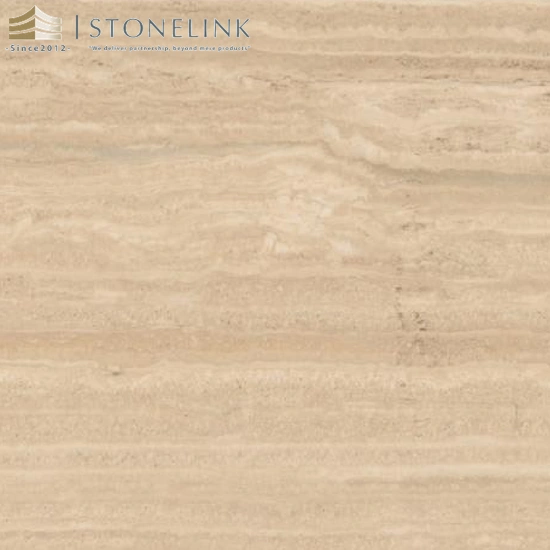
Sedimentary stones are generally softer and more porous than granite or quartzite, but that is precisely what makes them useful outside. Their matte, textured faces provide slip resistance, their earthy tones sit comfortably against planting and timber, and their weathering reads as character rather than damage. Travertine, a close sedimentary relative often grouped with limestone, is equally at home in landscape work and is featured heavily in pool and patio design.
The three stones below cover most landscape and facade needs: sandstone for natural paving, slate for flat slip-resistant surfaces, and limestone for refined architectural cladding. Between them and travertine, almost any outdoor or exterior-wall brief can be met with a natural material that ages well.
Sandstone: Natural, Gritty, and Slip-Friendly
Sandstone is compacted sand grains bound by natural cement. Its gritty surface makes it one of the most naturally slip-resistant paving stones, ideal for garden paths, patios, and step treads. Colors run from warm buffs and reds to cool greys and greens depending on the mineral mix, and no two batches look identical, which many designers count as a feature rather than a flaw.
Performance: Sandstone is relatively soft, around Mohs 6 to 7 on the grain but porous, so it absorbs water and benefits from sealing in wet climates. It weathers to a soft, lived-in patina that suits rustic and contemporary landscapes alike, and it pairs beautifully with loose planting and outdoor timber.
Best uses: Landscape paving, garden walls, risers, and feature boulders. Its informal texture makes it the most forgiving stone for family gardens where bare feet and wet weather are routine.
Slate: The Flat, Dense Metamorphic Sedimentary Cousin
Slate begins as shale, a sedimentary mudstone, and is transformed under pressure into a fine, dense rock that splits into thin, flat sheets. That natural cleavage is what makes slate so useful: uniform tiles with a naturally slip-resistant face and a contemporary, architectural edge.
Performance: Slate has very low water absorption and good freeze-thaw resistance, which is why it has been used for roofing for centuries. Its dark, blue-grey to black tones are dramatic and modern, and it holds its color better than lighter sedimentary stones in harsh sun.
Best uses: Pool surrounds, outdoor steps, roof tiles, and contemporary paving where a sleek, flat plane is wanted. Honed or textured slate grips well even when wet, making it a safe choice around water.
Limestone: Refined Cladding and Heritage Stone
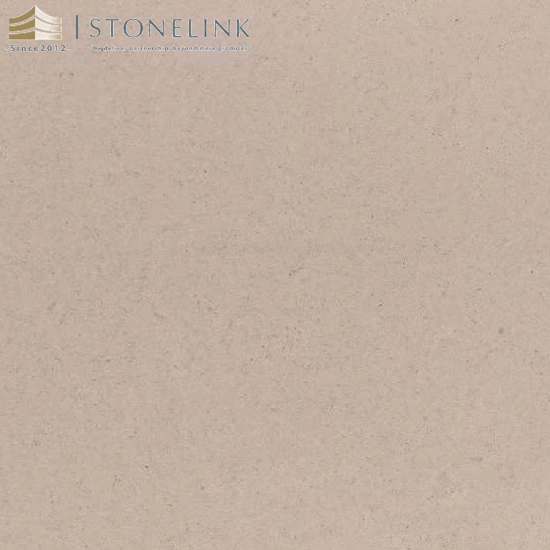
Limestone is a calcium carbonate sedimentary rock with a smooth, uniform face. Unlike the bold character of slate or the grit of sandstone, limestone reads calm and architectural, which is why it is a staple for building facades and heritage restoration.
Performance: Soft, around Mohs 3 to 4, and porous, so limestone needs sealing outdoors and protection from acid. It weathers to a soft, sun-bleached tone that many designers specifically seek, and its consistency makes large wall areas feel serene.
Best uses: Architectural wall cladding, facades, stair treads, and interior-exterior transition floors. It is the choice when the brief calls for restraint rather than texture, and it photographs as timeless rather than trendy.
Travertine: The Landscape Favorite
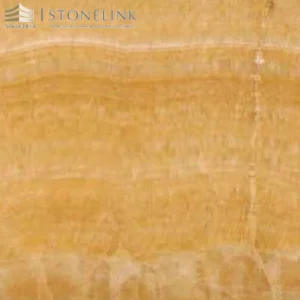
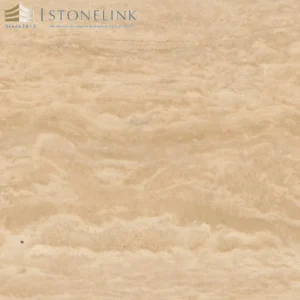
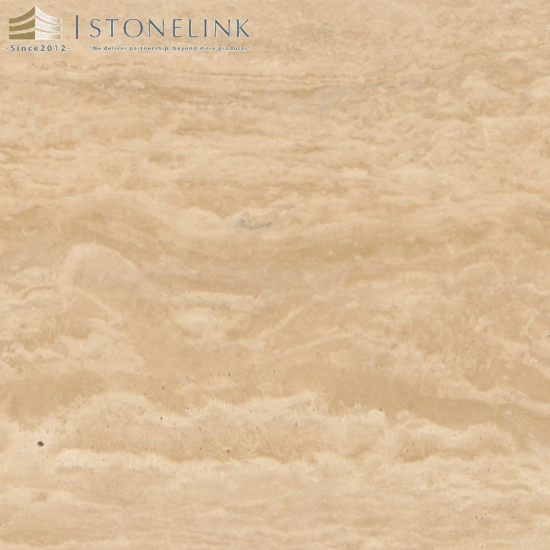
Though the focus is sandstone, slate, and limestone, no landscape stone discussion is complete without travertine, a spring-formed limestone that pairs the warmth of limestone with the grip of textured stone. It is a leading material for pool decks and patios because it stays cool and resists slipping. In the image references here you can see the warm, banded character that makes travertine such a natural fit for outdoor living spaces, and why so many resorts specify it by the container.
Slip Resistance, Weathering, and Care
For any landscape stone, finish matters as much as species. Honed, sandblasted, or bush-hammered faces grip better than polish. In freeze-thaw regions, choose dense, low-absorption stone; slate and well-selected sandstone perform best, while porous limestone and travertine need quality sealing and good drainage to avoid spalling.
Maintenance is straightforward: sweep regularly, wash with pH-neutral cleaner, reseal calcium-based stones like limestone and travertine on a schedule, and avoid acidic cleaners that etch the surface. With that routine, these sedimentary stones will look better with age and rarely need replacement.
Thickness, Format, and Combining the Three
Landscape stone is supplied in many formats: irregular flagstone for rustic paths, gauged tiles for clean modern decks, and thick slabs for steps and copings. Sandstone and slate commonly appear in 2 to 3 cm tiling and thicker pavers for driveways; limestone cladding is often 3 to 5 cm for facade panels. A popular design move is to combine the three, slate for crisp step edges, sandstone for broad paving, and limestone or travertine for the walls, tying a scheme together through shared warm tones while varying texture.
Project Examples That Work
A courtyard might use sandstone paving with a slate-edged fountain and limestone planters for a calm, layered look. A coastal deck could pair travertine pool coping with slate surrounding tiles that stay safe when wet. A civic facade often relies on limestone cladding for dignity and low visual noise. In each case the sedimentary family delivers character that igneous granite or metamorphic quartzite would read as too hard or too busy for the brief.
Specifying Stone for Climate
Climate should drive the final pick. In hot, dry regions, travertine and limestone stay comfortable and cool. In wet, freezing climates, dense slate and sealed sandstone outlast porous limestone. Always match the stone’s absorption rate to the local weather, and discuss drainage with the installer before the slab is laid, because standing water is the enemy of every calcium-based stone.
Working With Your Supplier
Ordering landscape stone is easier when you share the full brief, climate, square meterage, finishes, and intended layout, with your supplier up front. That lets them advise on thickness, coordinate tones across materials, and pack for ocean freight without damage. Viewing full slabs rather than small samples also prevents surprises, since sedimentary stone varies block to block more than any other category.
Maintenance Schedule That Pays Off
A light, regular routine keeps sedimentary landscape stone looking new for decades. Sweep debris weekly to avoid abrasive grit, rinse with clear water after storms, and reapply a penetrating sealer to calcium stones every one to three years depending on exposure. Slate rarely needs more than occasional washing. Inspect joints and drainage each season so water never ponds on a porous surface. The effort is small, but it is the difference between a landscape that ages into character and one that ages into stain.
Stonelink’s Landscape Stone Supply
Stonelink has supplied sandstone, slate, limestone, and travertine for landscape and architectural projects across 80+ countries since 2012. From our Xiamen and Shuitou bases, with direct quarry access, a 60,000 m² inventory, and 2,000+ designs, we help specifiers choose the right sedimentary stone for climate, traffic, and aesthetic, then pack and ship it for ocean freight without surprises. Because we hold the full sedimentary range, a single order can cover paving, cladding, and pool deck in coordinated tones.
Frequently Asked Questions
Which sedimentary stone is best for outdoor paving?
Sandstone and slate are excellent for paving because of their slip resistance and weather tolerance. Travertine is the top choice for pool decks, while limestone suits cladding more than heavy-traffic floors.
Is slate good around pools?
Yes. Slate has low water absorption and, in textured finishes, strong slip resistance, making it a durable, safe choice for pool surrounds and wet steps.
Does limestone weather well outside?
Limestone weathers to a soft, attractive patina but is porous and etches in acid, so it needs sealing and drainage. It is best for cladding and low-abuse architectural surfaces.
Do these stones need sealing?
Calcium-based stones like limestone and travertine should be sealed outdoors. Sandstone also benefits from sealing in wet climates. Slate is dense and often needs less, but a sealer still helps with stain resistance.
Explore Our Stone Collection
Looking for the right slab for your project? Browse Stonelink’s inventory of 2,000+ designs across marble, granite, quartzite, travertine, onyx and limestone.
- Classic Beige Travertine Cut To Size Natural Stone Tiles
- Tukey Travertine
- Breccia Lunare Marble Grey 03
Ready to Source Natural Stone?
Contact the Stonelink team to compare slabs from our 60,000 m² inventory and get an export quote for your next project.
Frequently Asked Questions
How can I import natural stone from China?
Most overseas buyers work with Stonelink in four clear steps. (1) Share your project specifications, drawings or inspiration photos, or choose directly from our 60,000 m² inventory of 2,000+ designs. (2) We send whole-slab high-resolution photos and short video so you can verify exact veining, color and finish before committing — bookmatching and sequence are confirmed at this stage. (3) We handle export packing (foam-protected, fumigated wooden crates), container booking and ocean freight from Xiamen or Shuitou port. (4) Goods arrive at your destination port with the full document set (commercial invoice, packing list, Bill of Lading, certificate of origin, insurance). We support both full-container-load and LCL shipments, and all communication is in English.
What is your minimum order quantity (MOQ) and lead time?
MOQ typically starts from one container (about 20–27 tons depending on slab size and thickness), and mixed sizes or products are accepted so you can consolidate an entire project in one shipment. For smaller trials we can sometimes ship an LCL (less-than-container) batch of a few slabs, though the per-unit freight is higher; ask us and we will quote both options. Standard lead time is about 15–25 days after order confirmation for in-stock materials, or longer for custom cutting and special finishes. Before shipment we provide whole-slab photos and video so you know exactly what you receive, and we can hold stock for phased deliveries. For recurring orders we offer reserved inventory and rolling production schedules to keep your supply chain steady, and we quote both FOB Xiamen/Shuitou and delivered CIF or DDP to your port.
Can you send stone samples before I place an order?
Yes. We provide samples — offcuts or small slabs — so you can verify color, finish and quality before committing to a full shipment. Samples ship worldwide by courier (DHL, FedEx or UPS), typically within 3–7 days, and the sample cost is usually credited against your first container order. For large projects we can also send a full digital package — high-resolution whole-slab photos and short videos — so your designers can spec with confidence before any physical sample moves. Tell us the exact application, dimensions and finish you need and we will pick the most representative pieces rather than random offcuts, so the sample truly reflects the batch you would receive.
Do you provide quality control and certifications?
Yes. Stonelink is a China-based natural stone manufacturer and exporter operating from the Xiamen and Shuitou stone hub since 2012, with a 60,000 m² inventory spanning 2,000+ designs and direct quarry access, shipping to 80+ countries. Every shipment is inspected for packing and quality before loading — slabs are checked for cracks, bow, thickness tolerance and finish, then crated in foam-protected, fumigated wooden packaging. We can arrange third-party inspection (SGS, Intertek and similar) and supply the documentation your destination requires: commercial invoice, packing list, Bill of Lading, certificate of origin and, where relevant, CE marking or material test reports. Tell us your certification and labeling needs (for example the EU, US, Australia or Middle East) and we will match them and pre-clear the paperwork so customs clearance goes smoothly.
How do I choose the right natural stone for my project?
Start with the application: floors and high-traffic areas favor harder stones (granite, quartzite), while marble and onyx shine in lower-abuse, design-led spaces such as feature walls and vanities. Match the finish to the mood — polished for drama, honed for calm, leathered for texture — and confirm color stability under your actual lighting, since natural stone shifts with light. For wet areas choose a denser, well-sealing material and an appropriate finish, and review whole-slab photos or video with our team before you buy. We advise free of charge based on your project’s traffic, budget and aesthetic, so you avoid expensive mismatches and rework.
What shipping terms and documents are included?
We ship FOB Xiamen or Shuitou as standard and can also quote CIF or DDP to your port, so you control insurance and freight or let us handle it end to end. We manage export packing, container booking and ocean freight, and provide the full document set: commercial invoice, packing list, Bill of Lading, certificate of origin and cargo insurance. Both full-container-load and LCL (less-than-container-load) shipments are supported, and for landlocked destinations we can arrange door-to-door multimodal transport. Tell us your delivery address and incoterm preference and we will quote a landed cost, not just an ex-works price, so there are no surprises at the border.