
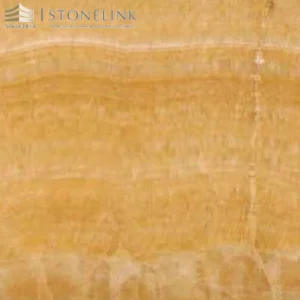
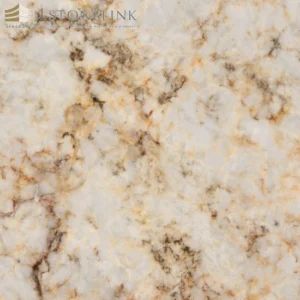
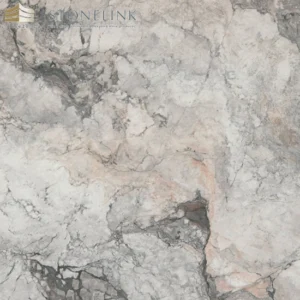
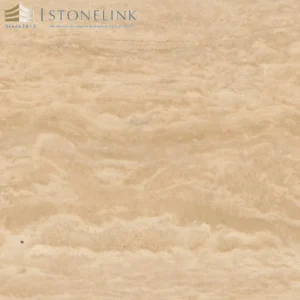
If you are searching for raggio verde marble, you are looking at one of the most distinctive green stones on the international market — a marble whose name literally evokes “green ray,” and whose deep, luminous color reads as both dramatic and serene at the same time. For architects and importers who want a surface that stops people in their tracks without sliding into the loud territory of some exotic granites, raggio verde sits in a sweet spot. At Stonelink we have supplied green marbles and related verdant stones to more than 80 countries since 2012, and this variety consistently earns a place in hospitality, luxury residential, and statement-commercial projects.
What Is Raggio Verde Marble?
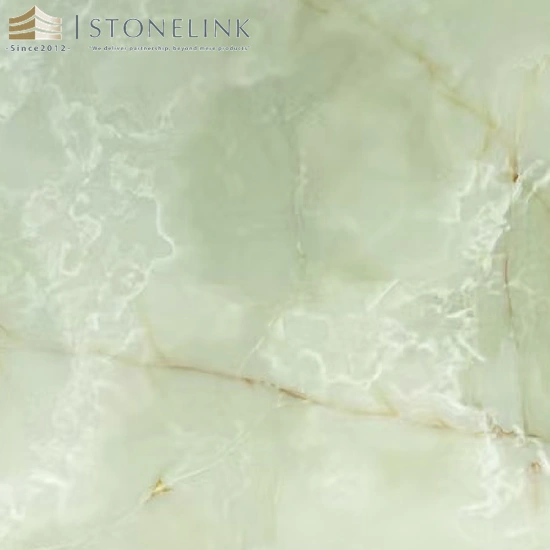
Raggio verde is a green-bodied marble whose background ranges from a deep forest tone to a brighter emerald, crossed by lighter veining that can look like rays of light moving through the stone — hence the name. Like all true marble, it is a metamorphic rock whose parent material was limestone. Under heat and pressure, that limestone recrystallized into a dense mass of calcite (and sometimes a little dolomite), which is what gives marble its characteristic soft glow and the depth you see when you look across a polished slab.
The exact source of a given “raggio verde” shipment matters. Green marbles on the market trace back to Italian, Turkish, and other quarries, and the tone, veining density, and structural quality vary by body. When you buy, you are really buying a specific block’s personality, not just a name, which is why viewing full slabs rather than small samples is so important for green stones.
Raggio Verde Marble Color and Veining
The appeal of raggio verde is its movement. Rather than a flat green field, a good slab shows directional veining — sometimes fine and spidery, sometimes broad and cloudy — that gives the impression of light passing through water or leaves. The base can lean cool and dark (almost black-green in places) or warmer and brighter depending on the block. This variation is exactly what makes bookmatching so effective: two adjoining slabs can be mirrored to create a symmetrical “ray” pattern across a feature wall or a large island.
Because the color is saturated, raggio verde pairs best with restrained surroundings: warm neutrals, brushed brass, blackened steel, and light oak all let the stone lead. In a brightly lit white kitchen it becomes the single point of drama; in a dimly lit lounge it glows under warm accent lighting.
Physical Properties: What Green Marble Can and Can’t Do
It is important to be honest about the science. Marble is composed mainly of calcite, a mineral that ranks only about 3 to 4 on the Mohs hardness scale. That means it is softer than granite (6–7) and true quartzite (around 7), and it will scratch more easily under daily abuse. More importantly, calcite reacts chemically with acids. Lemon juice, vinegar, wine, and many bathroom products will etch the polished surface if they sit on it, leaving a dull, rough spot.
Green marble also tends to be more porous than dense granites, so it absorbs water and oils if left unsealed. The practical takeaway is simple: raggio verde marble wants an impregnating sealer, applied at fabrication and refreshed periodically, and it wants prompt cleanup of anything acidic. Treated correctly, it performs beautifully in the right locations.
Best Applications for Raggio Verde Marble
Where does raggio verde shine? Three settings stand out.
Kitchen islands and vanities
A raggio verde island is a showpiece. Because an island is usually a low-traffic, low-acid zone compared with the perimeter cooktop, it is a safe place to enjoy marble’s beauty. Seal it, use cutting boards, and wipe spills quickly, and it will look stunning for years.
Feature walls and fireplace surrounds
This is where the stone is at its most forgiving and most impressive. A bookmatched raggio verde wall behind a reception desk or a TV unit turns a flat surface into art. Marble handles the radiant heat of a fireplace surround well as long as it is not in direct contact with a sustained flame.
Bathrooms
Bathrooms are among the kindest environments for marble — there is little cooking acid and little heat. Raggio verde makes a memorable vanity top, shower accent, or tub surround. Just keep acidic cleaners off it and reseal the wet zones a little more often.
Raggio Verde Marble vs Green Quartzite
Buyers often confuse green marble with green quartzite, and the difference is decisive for durability. Green quartzite is a metamorphic quartz rock (Mohs ~7) that resists scratching and does not etch from acids the way calcite marble does. It is the better choice for a busy, acidic, high-traffic kitchen countertop. Green marble, by contrast, gives you a different kind of depth and a softer, more classic luxury feel, but it demands more care.
If your priority is “never worry about it,” lean quartzite. If your priority is a specific green-marble look and you are placing it in a lower-abuse setting, raggio verde is the right call. The two are not competitors so much as answers to different briefs.
Design Pairings and Finishes
Finish choice changes the whole mood. A polished raggio verde is glossy and jewel-like, maximizing color saturation and light reflection — perfect for a glamorous bar or a feature wall. A honed (matte) finish softens the stone, reads more organic and contemporary, and hides light etching better, which is why many designers choose honed marble for bathrooms and islands. Leathered finishes are less common on green marble but can add a tactile, modern edge.
For cabinetry and metal, raggio verde loves contrast: white oak and cream keep it fresh; black and brass make it opulent; stainless and concrete make it architectural.
Sourcing Raggio Verde Marble from Stonelink
Stonelink is a China-based natural stone manufacturer and exporter with roots going back to 2012, operating from the Xiamen and Shuitou stone hub. Our 60,000 m² inventory spans 2,000+ designs across marble, granite, quartzite, travertine, onyx, and limestone, supported by direct quarry access and a global sourcing network. For a distinctive green like raggio verde, we can help you compare available blocks, check veining continuity for bookmatching, and arrange slab samples or full-slab photos and video before you commit to a shipment.
Because green marbles vary block to block, we strongly recommend reviewing whole-slab images rather than relying on a small sample. That way you know exactly what rays of color will land on your wall or island.
Frequently Asked Questions
Is raggio verde marble durable enough for a kitchen?
For an island or a vanity, yes — with sealing and basic care. For a busy perimeter cooktop exposed to daily acids and knife work, a harder stone like quartzite is the safer pick. Marble will etch if acidic liquids sit on it.
Does green marble need to be sealed?
Yes. As a calcite-based, relatively porous stone, raggio verde should be treated with an impregnating sealer at fabrication and resealed periodically, more often in wet areas like bathrooms.
Will the green color fade over time?
Indoor raggio verde is stable. Like most natural stone, it should be kept out of constant direct, intense sunlight to avoid any long-term tonal shift, but normal interior use will not fade it.
Can raggio verde be bookmatched?
Absolutely, and it is one of the best uses for the stone. Adjacent slabs can be mirrored to create a symmetrical ray pattern across a large feature wall or island front.
Slab Selection and Grading for Green Marble
Because raggio verde’s character lives in its veining, slab selection is where projects succeed or fail. Ask to see whole slabs, not offcuts, and look for consistent background tone across the batch if you are cladding a large area. For bookmatched walls, have your supplier lay out adjacent slabs in sequence and photograph the seam so you can approve the mirror flow before cutting. Also check structural quality: deep-green marbles occasionally carry natural fissures or iron inclusions that can oxidize, so a dry, well-lit inspection and, for wet areas, a low-iron specification protect the result.
Budget and Availability
Green marbles sit in the mid-to-premium range — more than a commodity white marble, less than the rarest exotic quartzites. Price moves with block quality, vein drama, thickness, and finish. Since Stonelink holds 60,000 m² of inventory and sources globally, we can usually offer comparable green options if a specific raggio verde block is unavailable, helping you hit both the look and the budget. For large projects, container-load planning and crating details should be confirmed up front so transit risk stays low.
Explore Our Stone Collection
Looking for the right slab for your project? Browse Stonelink’s inventory of 2,000+ designs across marble, granite, quartzite, travertine, onyx and limestone.
Ready to Source Raggio Verde Marble?
Contact the Stonelink team to compare slabs from our 60,000 m² inventory and get an export quote for your next project.
Frequently Asked Questions
How can I import natural stone from China?
Most overseas buyers work with Stonelink in four clear steps. (1) Share your project specifications, drawings or inspiration photos, or choose directly from our 60,000 m² inventory of 2,000+ designs. (2) We send whole-slab high-resolution photos and short video so you can verify exact veining, color and finish before committing — bookmatching and sequence are confirmed at this stage. (3) We handle export packing (foam-protected, fumigated wooden crates), container booking and ocean freight from Xiamen or Shuitou port. (4) Goods arrive at your destination port with the full document set (commercial invoice, packing list, Bill of Lading, certificate of origin, insurance). We support both full-container-load and LCL shipments, and all communication is in English.
What is your minimum order quantity (MOQ) and lead time?
MOQ typically starts from one container (about 20–27 tons depending on slab size and thickness), and mixed sizes or products are accepted so you can consolidate an entire project in one shipment. For smaller trials we can sometimes ship an LCL (less-than-container) batch of a few slabs, though the per-unit freight is higher; ask us and we will quote both options. Standard lead time is about 15–25 days after order confirmation for in-stock materials, or longer for custom cutting and special finishes. Before shipment we provide whole-slab photos and video so you know exactly what you receive, and we can hold stock for phased deliveries. For recurring orders we offer reserved inventory and rolling production schedules to keep your supply chain steady, and we quote both FOB Xiamen/Shuitou and delivered CIF or DDP to your port.
Can you send stone samples before I place an order?
Yes. We provide samples — offcuts or small slabs — so you can verify color, finish and quality before committing to a full shipment. Samples ship worldwide by courier (DHL, FedEx or UPS), typically within 3–7 days, and the sample cost is usually credited against your first container order. For large projects we can also send a full digital package — high-resolution whole-slab photos and short videos — so your designers can spec with confidence before any physical sample moves. Tell us the exact application, dimensions and finish you need and we will pick the most representative pieces rather than random offcuts, so the sample truly reflects the batch you would receive.
Do you provide quality control and certifications?
Yes. Stonelink is a China-based natural stone manufacturer and exporter operating from the Xiamen and Shuitou stone hub since 2012, with a 60,000 m² inventory spanning 2,000+ designs and direct quarry access, shipping to 80+ countries. Every shipment is inspected for packing and quality before loading — slabs are checked for cracks, bow, thickness tolerance and finish, then crated in foam-protected, fumigated wooden packaging. We can arrange third-party inspection (SGS, Intertek and similar) and supply the documentation your destination requires: commercial invoice, packing list, Bill of Lading, certificate of origin and, where relevant, CE marking or material test reports. Tell us your certification and labeling needs (for example the EU, US, Australia or Middle East) and we will match them and pre-clear the paperwork so customs clearance goes smoothly.
How do I choose the right natural stone for my project?
Start with the application: floors and high-traffic areas favor harder stones (granite, quartzite), while marble and onyx shine in lower-abuse, design-led spaces such as feature walls and vanities. Match the finish to the mood — polished for drama, honed for calm, leathered for texture — and confirm color stability under your actual lighting, since natural stone shifts with light. For wet areas choose a denser, well-sealing material and an appropriate finish, and review whole-slab photos or video with our team before you buy. We advise free of charge based on your project’s traffic, budget and aesthetic, so you avoid expensive mismatches and rework.
What shipping terms and documents are included?
We ship FOB Xiamen or Shuitou as standard and can also quote CIF or DDP to your port, so you control insurance and freight or let us handle it end to end. We manage export packing, container booking and ocean freight, and provide the full document set: commercial invoice, packing list, Bill of Lading, certificate of origin and cargo insurance. Both full-container-load and LCL (less-than-container-load) shipments are supported, and for landlocked destinations we can arrange door-to-door multimodal transport. Tell us your delivery address and incoterm preference and we will quote a landed cost, not just an ex-works price, so there are no surprises at the border.