
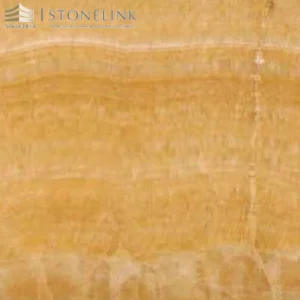
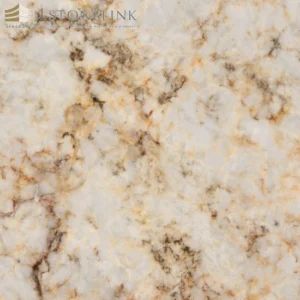
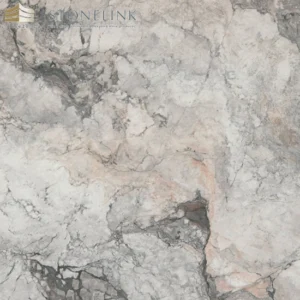
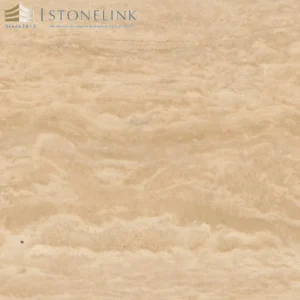
If you are budgeting a renovation or specifying stone for a commercial project, the single question that comes up first is almost always the same: what is the marble price per square foot, and why does it swing so widely between quotes? The honest answer is that there is no single price. Marble can cost less than USD 10 per square foot for a raw common slab, and well over USD 200 per square foot installed for a rare bookmatched Calacatta. Understanding what sits behind those numbers is the difference between a realistic budget and a painful surprise at the fab shop.
This guide breaks down the real drivers of marble cost in 2026, the typical installed price ranges you can expect, how marble compares to granite and quartzite, and how buyers working with a direct supplier like Stonelink can control the final number without sacrificing quality.
What Is the Average Marble Price per Square Foot in 2026?
For planning purposes, most residential marble falls into three broad bands once it is fabricated and installed:
- Entry / common marble: roughly USD 40–80 per square foot installed. This includes widely available whites and greys, often Chinese- or Turkish-origin, with consistent but less dramatic veining.
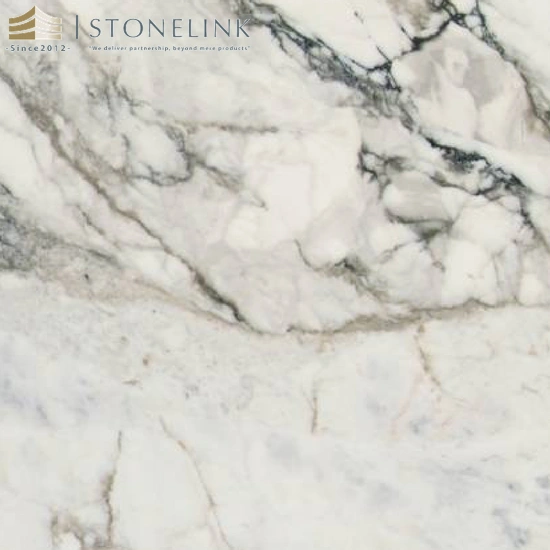
- Mid-tier marble: roughly USD 80–150 per square foot installed. This covers better Carrara and many Chinese Calacatta-style materials with cleaner, more defined veining.
- Exotic / premium marble: USD 150–300+ per square foot installed. True Italian Calacatta, Statuario, rare greens, and dramatic bookmatched pieces sit here.
These are installed figures that include slab material, fabrication, edge profiling, and local labor. The raw slab-only cost is typically 40–60% of the installed total, which is why importers and trade buyers who handle their own fabrication see very different numbers than retail homeowners.
The Six Factors That Drive Marble Price per Square Foot
1. Variety and rarity
This is the biggest lever. Common grey and white marbles are quarried at scale and priced competitively. A rare colored marble — a deep green, a blue-veined arabescato, a gold-streaked Portoro — is limited by how much usable block the quarry yields, and scarcity shows up directly in the price.
2. Block quality and grade
Even within one quarry, blocks vary. A block with uniform background, clean fractures, and bookmatchable veining commands a premium over one with cracks, discoloration, or cloudy patches. Graders sort blocks at the quarry, and the top grade can cost multiples of the commercial grade.
3. Origin and brand
Italian marble carries a heritage premium. “Calacatta” and “Statuario” from Carrara are not just stones; they are brands backed by centuries of reputation. Chinese and Turkish marbles offer comparable aesthetics at a lower price because the origin premium is smaller, even when the physical stone is similar.
4. Processing and finish
Polished, honed, leathered, or brushed — each finish adds cost. Tighter thickness tolerances, resin treatment, and careful bookmatching at the factory raise the price per square foot but improve the yield and the final look. A supplier with modern gangsaw and resin lines controls this cost better than a small workshop.
5. Freight and logistics
Marble is heavy and fragile. Ocean freight, container loading, inland trucking, and insurance all add to the landed cost. A full container of slabs from Xiamen is far cheaper per square foot than a few loose crates shipped air or LCL, which is why volume buyers win on unit price.
6. Exchange rate
Most international stone trade is quoted in USD. A shift in the RMB/USD or EUR/USD rate changes the effective marble price per square foot for buyers overnight. In 2026, currency movement remains a real budgeting variable, especially for long-lead projects.
Marble vs Granite vs Quartzite: Cost Comparison
Buyers often ask how marble stacks up against other stones on price:
- Granite: frequently the lowest cost of the three, often USD 35–100 installed, because it is abundant and extremely hard, cutting fabrication waste.
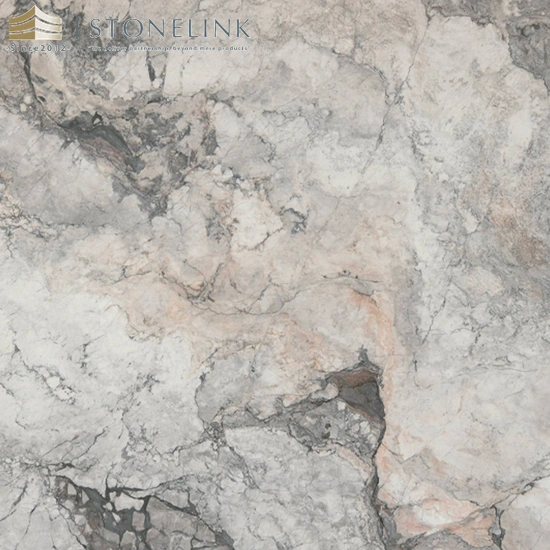
- Marble: mid-to-premium, USD 40–300 installed depending on variety, as above.
- Quartzite: similar to or higher than marble, especially Brazilian exotics like Taj Mahal or Cristallo, which can match or exceed premium marble on price while offering higher hardness.
The takeaway: if budget is the only constraint, granite wins; if you want the marble look, common and Chinese marbles close the gap; if you want marble aesthetics with more durability, quartzite is the premium trade-up.
2026 Trend: Where Marble Pricing Is Heading
Several forces are shaping marble cost this year. Quarry environmental regulation in both Italy and China is tightening, which supports prices for compliant, high-grade material. At the same time, improved container logistics out of Chinese hubs like Shuitou has lowered freight volatility compared with the 2021–2022 spike. The net effect is a market where smart sourcing — not just picking a cheaper stone — is the main way to control the marble price per square foot.
How to Get a Better Marble Price
A few practical moves lower your unit cost without compromising the result:
- Buy by the container rather than by the loose slab when volumes allow.
- Specify realistic grades — a commercial-grade white marble often looks 90% as good as the top grade at half the price.
- Work with a direct manufacturer that owns quarry relationships and carries inventory, eliminating middlemen markups.
- Compare full-slab photos, not just small samples, so you do not pay a premium for a look the bulk of the slab does not deliver.
Why Stonelink Is Structured to Deliver Competitive Marble Pricing
Stonelink is a China-based natural stone manufacturer and exporter operating since 2012 from the Xiamen and Shuitou stone hub. With direct quarry access plus global sourcing, a 60,000 m² inventory, 2,000+ designs, and shipping experience to 80+ countries, the company is positioned to bridge Italian, Chinese, Turkish, and Brazilian origins under one roof. For buyers watching the marble price per square foot, that means one partner can quote common Chinese marble, premium Italian-style Calacatta, and exotic quartzite on a single, transparent basis — and consolidate them into container shipments that keep freight per square foot low.
Marble Price per Square Foot by Room
Cost behaves differently depending on where the marble goes:
- Kitchen countertops: highest visual exposure and fabrications waste, so budget the mid-to-premium band. Expect more waste from bookmatching and cutouts for sinks and cooktops.
- Bathroom vanities and walls: smaller areas mean less material, so even a premium marble is affordable here and delivers high impact.
- Flooring: large square footage rewards container buying; the per-square-foot material cost dominates, so variety choice matters most.
- Feature walls and fireplaces: a single hero slab can justify a premium, since the area is small but the visual payoff is large.
Tips for Distributors and Trade Buyers
If you buy marble to resell or fabricate, the math shifts. You are not paying installed retail; you are managing landed cost per square foot across a container. To keep that number competitive:
- Mix varieties in one container to hit the minimum load and spread freight.
- Pre-select slabs with your supplier via video so you do not pay for off-spec material.
- Lock pricing with a valid quote period to hedge exchange-rate movement.
- Build relationships with a manufacturer that holds inventory, so you can reorder matching material for future phases of a project.
Stonelink’s 60,000 m² inventory and 2,000+ designs exist precisely to support this kind of repeat, mixed-container procurement for clients in 80+ countries.
Frequently Asked Questions
What is a realistic marble price per square foot for a kitchen?
For most kitchens, expect USD 40–150 per square foot installed depending on the marble variety. Common whites and greys sit at the low end; Italian Calacatta and Statuario sit at the high end. Remember that kitchen marble also needs sealing and mindful care because it etches with acid.
Is Italian marble worth the extra cost over Chinese marble?
It depends on the project. Italian marble offers iconic veining and heritage prestige that some clients specifically request. Chinese marble, supplied through hubs like Shuitou, delivers strong value and fast turnaround with visually similar aesthetics for many designs. Both are genuine natural marble.
Why is quartzite sometimes more expensive than marble?
Brazilian exotic quartzites such as Taj Mahal, Cristallo, and Patagonia are quarried in limited, high-demand volumes and offer hardness above marble. The combination of scarcity and performance pushes their price similar to or above premium marble.
Does buying marble online save money?
It can, especially when you buy direct from a manufacturer-exporter with inventory and container shipping. The key is insisting on full-slab photos and video, verified specs, and clear logistics and inspection terms before you commit.
Explore Our Stone Collection
Looking for the right slab for your project? Browse Stonelink’s inventory of 2,000+ designs across marble, granite, quartzite, travertine, onyx and limestone.
Ready to Source Marble?
Contact the Stonelink team to compare slabs from our 60,000 m² inventory and get an export quote for your next project.
Frequently Asked Questions
How can I import natural stone from China?
Most overseas buyers work with Stonelink in four clear steps. (1) Share your project specifications, drawings or inspiration photos, or choose directly from our 60,000 m² inventory of 2,000+ designs. (2) We send whole-slab high-resolution photos and short video so you can verify exact veining, color and finish before committing — bookmatching and sequence are confirmed at this stage. (3) We handle export packing (foam-protected, fumigated wooden crates), container booking and ocean freight from Xiamen or Shuitou port. (4) Goods arrive at your destination port with the full document set (commercial invoice, packing list, Bill of Lading, certificate of origin, insurance). We support both full-container-load and LCL shipments, and all communication is in English.
What is your minimum order quantity (MOQ) and lead time?
MOQ typically starts from one container (about 20–27 tons depending on slab size and thickness), and mixed sizes or products are accepted so you can consolidate an entire project in one shipment. For smaller trials we can sometimes ship an LCL (less-than-container) batch of a few slabs, though the per-unit freight is higher; ask us and we will quote both options. Standard lead time is about 15–25 days after order confirmation for in-stock materials, or longer for custom cutting and special finishes. Before shipment we provide whole-slab photos and video so you know exactly what you receive, and we can hold stock for phased deliveries. For recurring orders we offer reserved inventory and rolling production schedules to keep your supply chain steady, and we quote both FOB Xiamen/Shuitou and delivered CIF or DDP to your port.
Can you send stone samples before I place an order?
Yes. We provide samples — offcuts or small slabs — so you can verify color, finish and quality before committing to a full shipment. Samples ship worldwide by courier (DHL, FedEx or UPS), typically within 3–7 days, and the sample cost is usually credited against your first container order. For large projects we can also send a full digital package — high-resolution whole-slab photos and short videos — so your designers can spec with confidence before any physical sample moves. Tell us the exact application, dimensions and finish you need and we will pick the most representative pieces rather than random offcuts, so the sample truly reflects the batch you would receive.
Do you provide quality control and certifications?
Yes. Stonelink is a China-based natural stone manufacturer and exporter operating from the Xiamen and Shuitou stone hub since 2012, with a 60,000 m² inventory spanning 2,000+ designs and direct quarry access, shipping to 80+ countries. Every shipment is inspected for packing and quality before loading — slabs are checked for cracks, bow, thickness tolerance and finish, then crated in foam-protected, fumigated wooden packaging. We can arrange third-party inspection (SGS, Intertek and similar) and supply the documentation your destination requires: commercial invoice, packing list, Bill of Lading, certificate of origin and, where relevant, CE marking or material test reports. Tell us your certification and labeling needs (for example the EU, US, Australia or Middle East) and we will match them and pre-clear the paperwork so customs clearance goes smoothly.
How do I choose the right natural stone for my project?
Start with the application: floors and high-traffic areas favor harder stones (granite, quartzite), while marble and onyx shine in lower-abuse, design-led spaces such as feature walls and vanities. Match the finish to the mood — polished for drama, honed for calm, leathered for texture — and confirm color stability under your actual lighting, since natural stone shifts with light. For wet areas choose a denser, well-sealing material and an appropriate finish, and review whole-slab photos or video with our team before you buy. We advise free of charge based on your project’s traffic, budget and aesthetic, so you avoid expensive mismatches and rework.
What shipping terms and documents are included?
We ship FOB Xiamen or Shuitou as standard and can also quote CIF or DDP to your port, so you control insurance and freight or let us handle it end to end. We manage export packing, container booking and ocean freight, and provide the full document set: commercial invoice, packing list, Bill of Lading, certificate of origin and cargo insurance. Both full-container-load and LCL (less-than-container-load) shipments are supported, and for landlocked destinations we can arrange door-to-door multimodal transport. Tell us your delivery address and incoterm preference and we will quote a landed cost, not just an ex-works price, so there are no surprises at the border.