
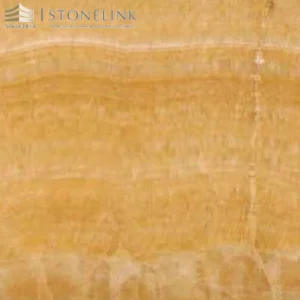
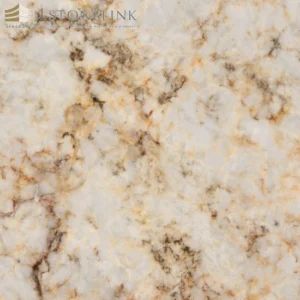


A marble kitchen island is the single most requested luxury upgrade in contemporary kitchens, and it is easy to see why. The island is where a family cooks, eats, and gathers, and a full slab of natural marble turns that working surface into the visual anchor of the whole room. But marble is not a care-free plastic surface, and the smartest buyers decide up front what they want from the stone. This guide covers styles, edge profiles, thickness, finish, and the honest trade-offs between marble and quartzite so you can specify an island you will love for years.
Why a Marble Kitchen Island Is Worth Considering
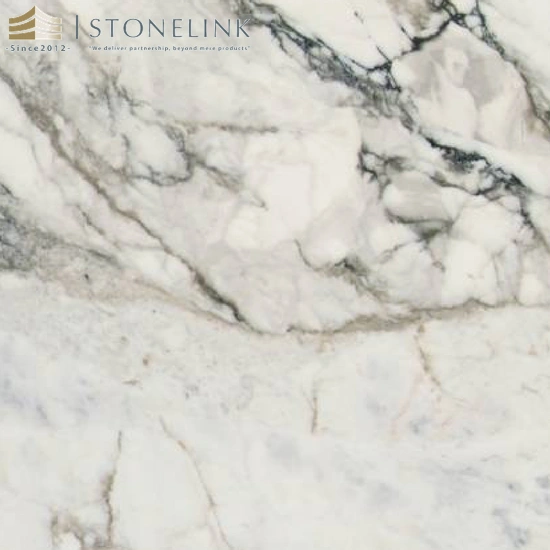
Marble brings depth and movement that engineered stone simply cannot replicate. Each slab is a unique geological painting, so your island will be one of a kind. It also stays cool to the touch, which pastry chefs prize for rolling dough. And because the island is usually a large, uninterrupted plane, it shows the veining at its most dramatic, especially when you bookmatch or slip-match two slabs for symmetry.
The trade-off is that marble is a calcium-carbonate stone, which means it can etch if acidic liquids like lemon juice, vinegar, or wine sit on it, and it can stain if oil or deeply coloured liquids are left un-wiped. That is not a defect; it is the character of a natural material. The question is whether you want a surface that ages into a lived-in patina or one that stays factory-new.
Styles: Single Slab, Bookmatch, and Waterfall
The most common marble kitchen island is a single slab with continuous veining running end to end. For a more deliberate look, fabricators bookmatch two slabs so the pattern mirrors across the centre seam, creating a butterfly effect that reads as intentional art. A waterfall edge carries the marble down the side of the island to the floor, a favourite in modern open-plan homes because it shows the stone on a vertical face as well as the top.
Edge Profiles to Specify
Edge detail changes the whole feel of the island. Options include:
Straight (eased) edge — a crisp 90° profile for a clean, modern look. Half-bullnose or full-bullnose — a softly rounded edge that feels traditional and is kinder on hips in tight kitchens. Mitred/laminated edge — two slabs glued at the edge to fake a thicker block, useful when you want a heavy 5–6 cm look from 2 cm or 3 cm material. Ogee — a sculpted S-curve profile for classic or ornate kitchens. Pick the edge to match your cabinetry and overall style rather than following fashion.
Thickness: 2 cm vs 3 cm
In most markets the choice is between 2 cm and 3 cm (roughly ¾ inch and 1¼ inch). A 3 cm marble kitchen island top is the standard for a premium feel: it reads substantial, needs less plywood support underneath, and resists flexing. A 2 cm top is lighter and cheaper but usually requires a plywood substrate and a laminated edge to look thick. For a large island with a waterfall, 3 cm is strongly recommended because the vertical panel needs the weight and rigidity.
Honed vs Polished Marble Island
This is the most important decision for daily happiness. A polished marble island is glossy and shows veining at full drama, but it also reveals every etch ring and water spot. A honed (matte) finish is the pragmatic choice for busy kitchens: the low sheen hides etching almost completely, so the surface looks consistent even after years of use. Many designers now default to honed marble for islands precisely because it ages gracefully instead of showing every mark. If you want the polished look but fear etching, consider quartzite, a harder stone with similar veining that resists acid.
Marble vs Quartzite for the Island
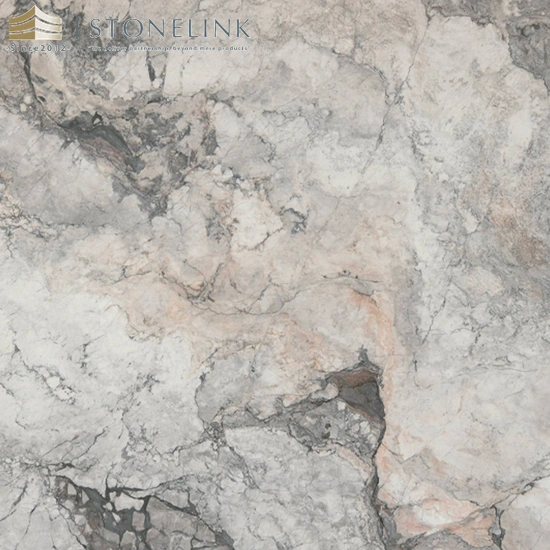
Quartzite is metamorphosed sandstone, so it scores around 7 on the Mohs scale versus marble’s 3–4. That makes it far more resistant to scratches and acid etching. If your island is a true working station, quartzite such as Super White or Cristallo will hold up better. Marble, by contrast, wins on softness of colour and classic appeal, and it is usually more affordable. The honest answer: choose marble if you accept a living patina and love the look; choose quartzite if you want marble-like beauty with near-granite durability. Stonelink, a Xiamen and Shuitou based stone exporter since 2012 with 60,000 m² of inventory and 2,000+ designs, can show you both side by side from direct quarry access.
Where Marble Works Best in the Kitchen
Marble is ideal for baking stations, pastry prep, and island tops that are more about gathering than heavy chopping. It is less ideal directly behind a cooktop where tomato sauce and oil splatter constantly. A practical compromise many homeowners choose: marble island top for styling and light prep, with a harder material near the range. Heat from a pizza stone or hot pan is fine on the stone itself, but avoid setting a screaming-hot pot straight on the sealed surface for long periods, as extreme sustained heat can stress the sealer.
Sealing and Care Expectations
Expect to seal a marble kitchen island every 6–24 months depending on finish and use; honed stone is more porous and needs more frequent sealing than polished. The simple water-drop test tells you when: if water soaks in instead of beading, it is time to reseal. Daily care is just warm water and a pH-neutral cloth; never use vinegar, lemon, or abrasive creams. Wipe spills promptly, especially wine, coffee, and oil.
Specifying Your Island: A Quick Checklist
Before you order, confirm slab size covers your island with minimal seams, decide bookmatch or single layout, pick edge and thickness, choose honed or polished, and agree a sealing schedule with your fabricator. Ask for the actual slab photos, not just small samples, since a full island lives or dies on the big-picture veining.
Seating Overhang and Supporting the Island
If your marble kitchen island doubles as a breakfast bar, the seating overhang matters. A comfortable counter overhang is around 30 cm (12 inches) so knees fit, and at that depth the marble usually needs no extra brackets. Go beyond 30–35 cm and you should add concealed steel supports so the stone cannot cantilever and crack. The island base, whether cabinetry or a steel frame, must be dead level; any twist will telegraph through a thin stone top as a visible seam or lippage. For very long islands, plan a joint location that falls over a cabinet run rather than in open space, and discuss with your fabricator how the seam will be filled and polished so it nearly disappears.
Lighting and Colour Coordination
Marble reads differently under light, so coordinate the island with your lighting plan. Warm-toned marbles with gold veining flatter under 2700–3000K lighting and pair well with brushed brass or oak cabinets. Cooler grey-and-white marbles look crisp under neutral 3000–3500K light with black or chrome hardware. A pendant or two hung 75–90 cm above the island not only lights the prep zone but also grazes the stone, bringing out the depth of the veining. Avoid placing the island directly under a single harsh spotlight, which flattens the surface; layered, diffused light shows marble at its best.
Living With the Patina
The final mindset shift is accepting that a marble kitchen island is a natural surface that records life. A faint etch from a forgotten lemon, a softened edge from years of use, these are not failures but the stone earning its character. Households that embrace this choose marble happily; those who expect a permanent showroom finish are better with quartzite or a quartz composite. Neither is wrong, but being honest about your tolerance for patina is the difference between a marble island you love and one you resent. Choose the stone that matches how you actually live.
Frequently Asked Questions
Is a marble kitchen island too high-maintenance?
Not if you choose honed marble and accept a gentle patina. Wipe spills promptly and reseal periodically, and it will look better with age. Busy cooks who want zero etching should consider quartzite instead.
What thickness should a marble island top be?
3 cm is the standard premium choice and is best for large islands and waterfall edges because it is rigid and needs less support. 2 cm works but usually needs a substrate and a laminated edge to look substantial.
Can you put hot pans on a marble island?
The stone tolerates heat, but prolonged direct contact with a very hot pan can stress the sealer. Use trivets for screaming-hot pots; brief contact from normal cookware is fine.
Honed or polished marble for the kitchen?
Honed is the safer everyday choice because it hides etching and water marks. Polished is more dramatic but shows every mark. Many designers now default to honed for islands.
Explore Our Stone Collection
Looking for the right slab for your project? Browse Stonelink’s inventory of 2,000+ designs across marble, granite, quartzite, travertine, onyx and limestone.
Ready to Source Marble for Your Project?
Contact the Stonelink team to compare slabs from our 60,000 m² inventory and get an export quote for your next project.
Frequently Asked Questions
How can I import natural stone from China?
Most overseas buyers work with Stonelink in four clear steps. (1) Share your project specifications, drawings or inspiration photos, or choose directly from our 60,000 m² inventory of 2,000+ designs. (2) We send whole-slab high-resolution photos and short video so you can verify exact veining, color and finish before committing — bookmatching and sequence are confirmed at this stage. (3) We handle export packing (foam-protected, fumigated wooden crates), container booking and ocean freight from Xiamen or Shuitou port. (4) Goods arrive at your destination port with the full document set (commercial invoice, packing list, Bill of Lading, certificate of origin, insurance). We support both full-container-load and LCL shipments, and all communication is in English.
What is your minimum order quantity (MOQ) and lead time?
MOQ typically starts from one container (about 20–27 tons depending on slab size and thickness), and mixed sizes or products are accepted so you can consolidate an entire project in one shipment. For smaller trials we can sometimes ship an LCL (less-than-container) batch of a few slabs, though the per-unit freight is higher; ask us and we will quote both options. Standard lead time is about 15–25 days after order confirmation for in-stock materials, or longer for custom cutting and special finishes. Before shipment we provide whole-slab photos and video so you know exactly what you receive, and we can hold stock for phased deliveries. For recurring orders we offer reserved inventory and rolling production schedules to keep your supply chain steady, and we quote both FOB Xiamen/Shuitou and delivered CIF or DDP to your port.
Can you send stone samples before I place an order?
Yes. We provide samples — offcuts or small slabs — so you can verify color, finish and quality before committing to a full shipment. Samples ship worldwide by courier (DHL, FedEx or UPS), typically within 3–7 days, and the sample cost is usually credited against your first container order. For large projects we can also send a full digital package — high-resolution whole-slab photos and short videos — so your designers can spec with confidence before any physical sample moves. Tell us the exact application, dimensions and finish you need and we will pick the most representative pieces rather than random offcuts, so the sample truly reflects the batch you would receive.
Do you provide quality control and certifications?
Yes. Stonelink is a China-based natural stone manufacturer and exporter operating from the Xiamen and Shuitou stone hub since 2012, with a 60,000 m² inventory spanning 2,000+ designs and direct quarry access, shipping to 80+ countries. Every shipment is inspected for packing and quality before loading — slabs are checked for cracks, bow, thickness tolerance and finish, then crated in foam-protected, fumigated wooden packaging. We can arrange third-party inspection (SGS, Intertek and similar) and supply the documentation your destination requires: commercial invoice, packing list, Bill of Lading, certificate of origin and, where relevant, CE marking or material test reports. Tell us your certification and labeling needs (for example the EU, US, Australia or Middle East) and we will match them and pre-clear the paperwork so customs clearance goes smoothly.
How do I choose the right natural stone for my project?
Start with the application: floors and high-traffic areas favor harder stones (granite, quartzite), while marble and onyx shine in lower-abuse, design-led spaces such as feature walls and vanities. Match the finish to the mood — polished for drama, honed for calm, leathered for texture — and confirm color stability under your actual lighting, since natural stone shifts with light. For wet areas choose a denser, well-sealing material and an appropriate finish, and review whole-slab photos or video with our team before you buy. We advise free of charge based on your project’s traffic, budget and aesthetic, so you avoid expensive mismatches and rework.
What shipping terms and documents are included?
We ship FOB Xiamen or Shuitou as standard and can also quote CIF or DDP to your port, so you control insurance and freight or let us handle it end to end. We manage export packing, container booking and ocean freight, and provide the full document set: commercial invoice, packing list, Bill of Lading, certificate of origin and cargo insurance. Both full-container-load and LCL (less-than-container-load) shipments are supported, and for landlocked destinations we can arrange door-to-door multimodal transport. Tell us your delivery address and incoterm preference and we will quote a landed cost, not just an ex-works price, so there are no surprises at the border.