
Is marble in the bathroom a good idea? For most homeowners, the answer is a confident yes — the bathroom is actually one of the most marble-friendly rooms in the house. Unlike a kitchen, a bathroom rarely sees acidic foods, hot pans, or heavy prep, so marble’s main vulnerabilities are largely avoided. With sensible sealing and a simple cleaning habit, marble brings unmatched elegance to vanities, shower walls, and floors. This guide covers where marble works best in a bathroom, how to handle slip resistance and soap scum, sealing frequency, and how it compares with quartz and porcelain.
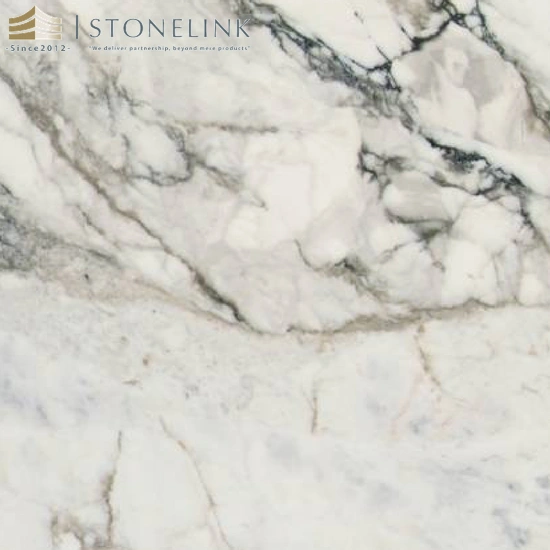
Why the Bathroom Suits Marble
Marble’s two biggest enemies are acid and heat. Bathrooms have little of either. You’re not squeezing lemons or setting down a 200°C pot near the sink. The main exposures are water, soap, and the occasional dropped cosmetic — all manageable. That makes marble in bathroom applications far less risky than marble in a busy kitchen, and the visual payoff is dramatic: soft veining, a sense of depth, and a spa-like calm that engineered materials struggle to match.
Best Uses for Marble in the Bathroom
Vanity countertops
The classic choice. A marble vanity top with an integrated or undermount sink looks timeless. Honed finishes are popular here because they hide etching from the occasional acidic skincare product and read as soft and modern.
Shower walls and surrounds
Large marble slabs or honed marble tiles on shower walls create a seamless, luxurious backdrop. Proper waterproofing behind the stone and adequately sloped drainage are essential — marble itself is not a waterproofing layer.
Floors
Marble bathroom floors are beautiful but demand attention to slip resistance. A honed or textured (e.g., sandblasted/levigated) finish provides more grip than a polished one, which can be slick when wet.
Accents: thresholds, niches, shelving
Even a small marble shelf in a shower niche or a marble windowsill elevates the whole room without a large commitment.
Slip Resistance and Safety
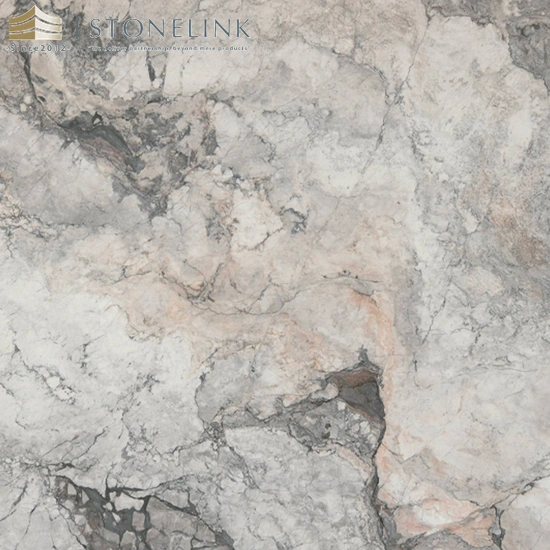
The biggest practical concern with marble in bathroom floors is slipperiness when wet. Choose a honed, matte, or specially textured finish for floors and shower pans rather than a high-gloss polish. Small-format tiles with more grout lines also offer more traction than vast polished slabs underfoot. Add a bath mat in front of the vanity and a non-slip rug by the tub for everyday safety.
Sealing Marble in the Bathroom
Bathrooms are humid and see constant water contact, so sealing matters — but less aggressively than a kitchen. Plan to:
- Seal vanities and shower surfaces every 12–18 months using a penetrating (impregnating) sealer.
- Run the water-drop test annually: if water darkens the stone within 15 minutes, reseal sooner.
- Ensure good ventilation (exhaust fan) to reduce prolonged dampness that can encourage mineral buildup.
Note that marble is calcareous; while bathroom products are rarely as acidic as kitchen spills, some exfoliating cleansers and acidic descalers can etch it, so stick to pH-neutral cleaners.
Dealing With Soap Scum and Hard Water
Soap film is the most common bathroom marble complaint. It’s a surface buildup, not damage, and is easily controlled:
- Wipe shower walls with a squeegee after use to prevent film from forming.
- Weekly, clean with a pH-neutral stone cleaner; rinse and dry.
- For stubborn scum, a marble-safe cleaner or a gentle baking-soda paste removes it without etching. Never use lime-removal sprays or vinegar-based descalers.
Marble vs Quartz/Porcelain in the Bathroom
Engineered quartz is non-porous and stain-resistant, but many quartz slabs are not rated for prolonged outdoor or high-heat use and can be less heat-tolerant than claimed; in a bathroom’s mild conditions it’s a low-maintenance alternative. Porcelain is extremely durable and stain-proof but lacks marble’s depth and warmth. Marble wins on beauty and character; quartz and porcelain win on near-zero maintenance. For many buyers, a marble vanity plus porcelain shower floor balances looks and practicality.
Stonelink’s Sourcing Perspective
Since 2012, Stonelink has supplied natural stone from our Xiamen and Shuitou base — with over 60,000 m² of inventory, 2,000+ designs, and direct quarry access — to more than 80 countries. For bathroom projects we often recommend honed white marbles and softer-veined grey stones, which show etching least and pair beautifully with brass or matte-black fixtures. The right slab choice up front makes care almost effortless.
Design Ideas for Marble in the Bathroom
Marble’s versatility suits many styles. A book-matched pair of slabs on a double vanity creates a striking symmetrical vein pattern that becomes the room’s centerpiece. Full marble shower walls in a honed finish feel like a spa, while a single marble niche or shelf adds quiet luxury to a tiled shower. For floors, large-format honed marble in a soft grey or white reads calm and expansive. Pair marble with brushed brass, matte black, or oak for a contemporary feel, or with chrome and white for classic elegance.
Ventilation and Moisture Control
Because bathrooms are humid, good ventilation protects both marble and the building. Run an exhaust fan during and after showers, keep a window ajar when possible, and wipe standing water from sills and ledges. Reduced dwell time for moisture means less mineral buildup and a longer-lasting sealer — simple habits that preserve the stone.
Installation and Grout Considerations
Marble in bathroom tiling demands careful installation. Use a white, polymer-modified thinset and a grout suited to natural stone (unsanded for narrow joints to avoid scratching); ensure a proper waterproof membrane behind showers; and have a skilled fabricator handle slabs to avoid cracking and lippage. Poor installation causes more bathroom marble failures than the stone itself, so don’t cut corners on the crew.
Cost and Value Perspective
Marble bathroom surfaces sit in a mid-to-premium price band. They cost more than basic ceramic but deliver a level of character no printed porcelain can fully replicate. Because bathrooms use less square footage than kitchens, marble there is an attainable luxury — and it tends to boost perceived home value and buyer appeal. Weigh the modest upkeep against the enduring aesthetic return.
Marble Bathroom Maintenance Checklist
Keep care effortless with a short routine. Daily: squeegee shower walls and wipe the vanity after use. Weekly: wash with a pH-neutral stone cleaner, rinse, and dry; run the exhaust fan. Every 3–6 months: perform the water-drop test on vanities and shower surfaces. Annually: reseal as needed (typically every 12–18 months) and inspect grout and caulk, refreshing any cracked lines to prevent water behind the stone. With this light cadence, marble in bathroom settings stays pristine for years and avoids the two real risks — slippage and soap buildup.
Pairing Marble With the Right Fixtures
Marble’s soft veining looks best when fixtures are chosen to complement rather than compete. Warm brass or brushed gold taps bring out honey tones in cream marbles; matte black hardware adds graphic contrast against white stone; oak cabinetry keeps the mood organic and spa-like. Avoid busy patterned tiles directly adjoining bold marble, which can feel chaotic. Lighting also matters: warm, diffused light flatters marble’s depth, while harsh cool LEDs can flatten it. Thoughtful pairing turns a marble bathroom from merely expensive into genuinely timeless.
Common Bathroom Marble Mistakes
A few habits undermine otherwise good marble care. Leaving wet towels folded on a marble sill traps moisture and encourages mineral marks. Using a vinegar-based “natural” shower spray etches the stone silently. Skipping ventilation lets humidity linger and weakens the sealer. And choosing a high-gloss polish for a shower floor trades beauty for safety. Avoiding these four errors addresses the vast majority of bathroom marble problems, leaving you with a surface that looks intentional and stays easy to live with.
Frequently Asked Questions
Is marble too slippery for a bathroom floor?
Polished marble can be slippery when wet. Choose a honed or textured finish, use smaller tiles with grout for grip, and add mats in key spots to stay safe.
Does marble in a shower stain easily?
With annual sealing and prompt wiping, staining is rare. Soap scum is the bigger issue and is preventable with a squeegee and pH-neutral cleaning.
Can I use vinegar to remove bathroom hard-water spots on marble?
No. Vinegar etches marble. Use a marble-safe descaler or a baking-soda paste, then rinse and dry. See our guide on vinegar and marble for the full list of cleaners to avoid.
How is bathroom marble different from kitchen marble care?
Bathrooms face less acid and heat, so etching risk is lower, but humidity and soap scum are higher. Seal a bit less often than a kitchen but clean film more regularly.
Explore Our Stone Collection
Looking for the right slab for your project? Browse Stonelink’s inventory of 2,000+ designs across marble, granite, quartzite, travertine, onyx and limestone.
Ready to Source Marble in Bathrooms?
Contact the Stonelink team to compare slabs from our 60,000 m² inventory and get an export quote for your next project.
Frequently Asked Questions
How can I import natural stone from China?
Most overseas buyers work with Stonelink in four clear steps. (1) Share your project specifications, drawings or inspiration photos, or choose directly from our 60,000 m² inventory of 2,000+ designs. (2) We send whole-slab high-resolution photos and short video so you can verify exact veining, color and finish before committing — bookmatching and sequence are confirmed at this stage. (3) We handle export packing (foam-protected, fumigated wooden crates), container booking and ocean freight from Xiamen or Shuitou port. (4) Goods arrive at your destination port with the full document set (commercial invoice, packing list, Bill of Lading, certificate of origin, insurance). We support both full-container-load and LCL shipments, and all communication is in English.
What is your minimum order quantity (MOQ) and lead time?
MOQ typically starts from one container (about 20–27 tons depending on slab size and thickness), and mixed sizes or products are accepted so you can consolidate an entire project in one shipment. For smaller trials we can sometimes ship an LCL (less-than-container) batch of a few slabs, though the per-unit freight is higher; ask us and we will quote both options. Standard lead time is about 15–25 days after order confirmation for in-stock materials, or longer for custom cutting and special finishes. Before shipment we provide whole-slab photos and video so you know exactly what you receive, and we can hold stock for phased deliveries. For recurring orders we offer reserved inventory and rolling production schedules to keep your supply chain steady, and we quote both FOB Xiamen/Shuitou and delivered CIF or DDP to your port.
Can you send stone samples before I place an order?
Yes. We provide samples — offcuts or small slabs — so you can verify color, finish and quality before committing to a full shipment. Samples ship worldwide by courier (DHL, FedEx or UPS), typically within 3–7 days, and the sample cost is usually credited against your first container order. For large projects we can also send a full digital package — high-resolution whole-slab photos and short videos — so your designers can spec with confidence before any physical sample moves. Tell us the exact application, dimensions and finish you need and we will pick the most representative pieces rather than random offcuts, so the sample truly reflects the batch you would receive.
Do you provide quality control and certifications?
Yes. Stonelink is a China-based natural stone manufacturer and exporter operating from the Xiamen and Shuitou stone hub since 2012, with a 60,000 m² inventory spanning 2,000+ designs and direct quarry access, shipping to 80+ countries. Every shipment is inspected for packing and quality before loading — slabs are checked for cracks, bow, thickness tolerance and finish, then crated in foam-protected, fumigated wooden packaging. We can arrange third-party inspection (SGS, Intertek and similar) and supply the documentation your destination requires: commercial invoice, packing list, Bill of Lading, certificate of origin and, where relevant, CE marking or material test reports. Tell us your certification and labeling needs (for example the EU, US, Australia or Middle East) and we will match them and pre-clear the paperwork so customs clearance goes smoothly.
How do I choose the right natural stone for my project?
Start with the application: floors and high-traffic areas favor harder stones (granite, quartzite), while marble and onyx shine in lower-abuse, design-led spaces such as feature walls and vanities. Match the finish to the mood — polished for drama, honed for calm, leathered for texture — and confirm color stability under your actual lighting, since natural stone shifts with light. For wet areas choose a denser, well-sealing material and an appropriate finish, and review whole-slab photos or video with our team before you buy. We advise free of charge based on your project’s traffic, budget and aesthetic, so you avoid expensive mismatches and rework.
What shipping terms and documents are included?
We ship FOB Xiamen or Shuitou as standard and can also quote CIF or DDP to your port, so you control insurance and freight or let us handle it end to end. We manage export packing, container booking and ocean freight, and provide the full document set: commercial invoice, packing list, Bill of Lading, certificate of origin and cargo insurance. Both full-container-load and LCL (less-than-container-load) shipments are supported, and for landlocked destinations we can arrange door-to-door multimodal transport. Tell us your delivery address and incoterm preference and we will quote a landed cost, not just an ex-works price, so there are no surprises at the border.