
Buyers often ask us to settle the limestone vs travertine debate, and it is a fair question. Both are warm, earthy, beige-toned stones that read as soft and natural, and at a glance they can look like close cousins. They are, in fact, related, both are calcium carbonate sedimentary rocks, but they form differently and that difference shows up in their appearance, their pores, and how you should install and care for them. Before you specify either for a floor, wall, or pool deck, here is what actually separates limestone from travertine, including the small details that decide whether a project looks great in year one and still looks great in year ten.
How Limestone and Travertine Form
Both stones are made of calcium carbonate, but their origins differ. Limestone is a compacted sedimentary rock, usually formed from shells, coral, and marine organisms on ancient sea floors. It is dense and fine-grained, with a smooth, consistent face that reads as calm and uniform.
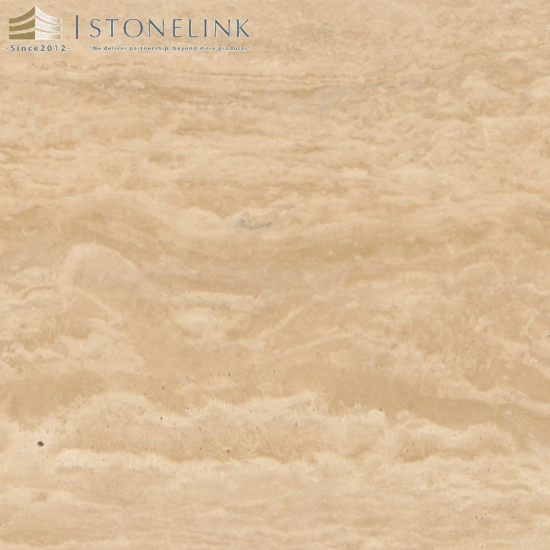
Travertine is a special kind of limestone deposited by mineral-rich hot springs and geothermal waters. As water releases carbon dioxide, calcium carbonate precipitates and builds layered, often porous stone. Those layers and gas pockets are what give travertine its characteristic voids and banded, striped look. So in the limestone vs travertine comparison, travertine is essentially a spring-formed, more porous cousin of limestone. Both etch in acid and both need sealing, but travertine’s open structure makes the difference more pronounced and more visible.
Appearance: Uniform vs Textured
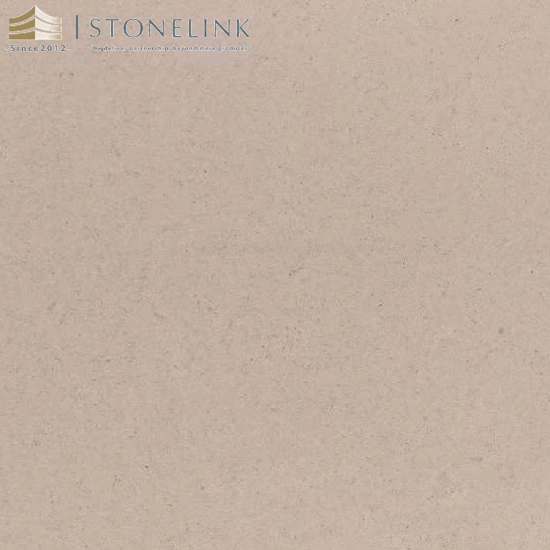
Limestone tends to be uniform and quiet. Its color runs from cream to soft beige and grey, with subtle fossil or grain markings. It suits restrained, monolithic interiors and heritage work where a calm surface is wanted and the eye should rest rather than travel.
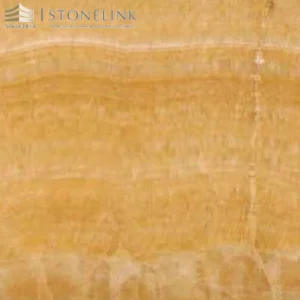
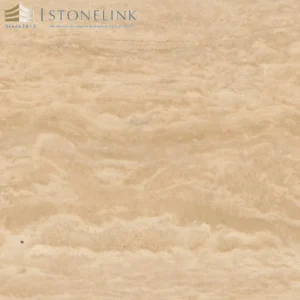
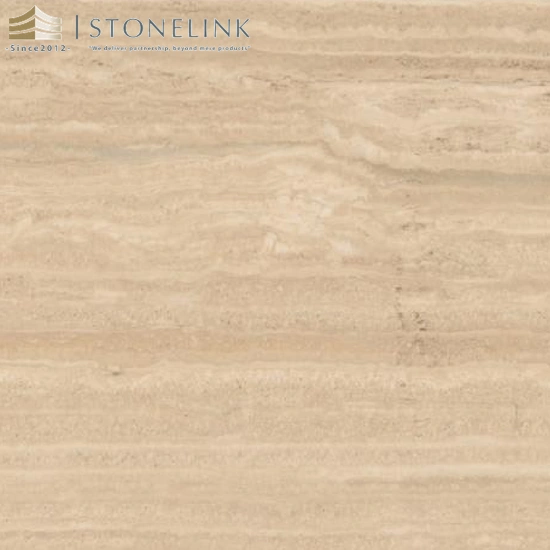
Travertine is more expressive. You get warm beiges, silvers, and golds, plus visible banding and, in unfilled formats, small pits across the face. Those pits can be left open for a rustic, tactile feel or filled with resin or cement for a smoother plane. The choice between filled and unfilled travertine is one of the first decisions a buyer makes, and it changes both the look and the maintenance load.
Hardness and Porosity
Neither stone is hard. Both sit low on the Mohs scale, generally around 3 to 4, similar to marble. The key difference is porosity. Travertine’s natural voids mean it absorbs more water and stains more readily unless sealed, especially in unfilled form. Limestone is denser and a little less thirsty, but it is still a calcium carbonate stone that will etch if acidic liquid sits on it.
For both, a penetrating impregnating sealer is essential in any wet or outdoor area, and honed or textured finishes are preferred over high polish because they hide wear and improve grip. Polished limestone can be stunning in a dry interior, but the moment it goes near water, a honed finish is the safer, more practical call.
Best Applications: Where Each One Wins
Travertine is a star for outdoor paving, pool coping, and patios. Its texture is naturally slip resistant, it stays relatively cool underfoot, and its warm tone pairs perfectly with water and greenery. It is also widely used for interior floors and wall cladding where a Mediterranean or spa-like feel is wanted, and its banding adds movement that plain limestone lacks.
Limestone suits interior flooring, stair treads, and wall facades where a smoother, more uniform surface is the goal. It is common in heritage and contemporary minimalist projects alike, and its even tone makes large floor areas feel calm and continuous. In a grand lobby or a quiet bathroom, limestone often reads as more refined than travertine.
In the limestone vs travertine decision for a pool deck, travertine is usually the safer pick thanks to its grip and heat behavior. For a polished interior lobby floor, limestone often wins on elegance.
Sealing and Maintenance
Both stones demand the same basic care: seal on installation, reseal periodically based on traffic and exposure, and clean only with pH-neutral products. Avoid vinegar, citrus, and acidic bathroom cleaners, they will etch the surface and leave dull marks that only refinishing can remove. Outdoor travertine may need more frequent sealing because of rain and sun exposure, while indoor limestone in a dry area can go longer between treatments.
Because both are porous, wipe spills promptly and use mats in entryways. With that routine, either stone will age gracefully and keep its warm character for decades. The single most common failure we see is skipping the first sealant coat; do not let the installer talk you out of it on a calcium stone.
Price Considerations
Pricing for both depends on origin, grade, thickness, and finish. Common Turkish and Chinese travertines are generally affordable and widely available, while select Italian and premium grades command more. Limestone pricing follows a similar logic, with uniform, low-porosity blocks costing more. Neither is usually in the luxury price tier of rare marble or exotic quartzite, which is part of their appeal for large floor and landscape areas where coverage cost matters.
Color, Finish, and Format Options
Both stones are offered in several finishes that change the final feel. Honed is the most common, a soft matte plane that hides etching and reads contemporary. Filled and honed travertine closes the voids for a smoother surface, while unfilled travertine keeps its pits for rustic character. Tumbled edges soften the look for pool coping and mosaics. In color, travertine ranges from ivory and golden beige to silver-grey, and limestone from cream to cool grey. Choosing finish before ordering is critical because the same block looks entirely different polished versus honed.
Installation Tips That Prevent Problems
These calcium stones demand a careful install. Use a white, polymer-modified thin-set to avoid bleed-through on light stone, and ensure the substrate is perfectly flat because any movement stresses the slab. Outdoors, set on a full mortar bed over proper drainage rather than loose lay, and never use acidic cleaners during installation. Detailing the edge profile and the sealant schedule with your installer up front eliminates most of the complaints we hear about travertine and limestone years later.
How to Choose Between Them
If your priority is a smooth, uniform, refined surface for interiors, choose limestone. If you want texture, grip, and a stone that thrives outdoors and around water, choose travertine. Both deliver the warm neutral palette that anchors so many contemporary and classic designs, and both reward a buyer who plans the finish and the sealer before the first tile is laid.
Environmental and Sourcing Notes
Both limestone and travertine are abundant and relatively low-energy to process compared with engineered surfaces, which appeals to projects with green-building goals. Travertine from established Turkish and Chinese quarries offers steady supply and short lead times, while premium Italian material carries a longer timeline and higher freight. Whichever you choose, confirm the lot consistency across your order, because natural beige stones shift tone between quarry beds. Ordering from a single coordinated inventory reduces the risk of mismatched shades across a large floor.
Stonelink’s Supply of Both Stones
Stonelink has supplied limestone and travertine to importers across 80+ countries since 2012. From our Xiamen and Shuitou bases, with 60,000 m² of inventory and 2,000+ designs, we help buyers match the right beige sedimentary stone to the installation, whether that is a filled travertine pool deck or a honed limestone foyer. Because we hold both materials, we can ship them together and keep color and tone consistent across a whole project.
Frequently Asked Questions
Is travertine a type of limestone?
Yes. Travertine is a form of limestone deposited by mineral hot springs. It shares the same calcium carbonate composition but has a more porous, banded structure with natural voids.
Which is more durable, limestone or travertine?
They are similar in hardness, around Mohs 3 to 4, but limestone is generally denser and slightly less porous. Travertine’s voids make it more absorbent unless filled and sealed.
Is travertine good for pool decks?
It is one of the best choices. Travertine stays cool, offers natural slip resistance, and complements water features, provided it is properly sealed against constant moisture.
Do limestone and travertine need sealing?
Always. Both are acid-sensitive calcium carbonate stones that absorb water and stains, so a quality impregnating sealer is required, especially outdoors and in bathrooms.
Explore Our Stone Collection
Looking for the right slab for your project? Browse Stonelink’s inventory of 2,000+ designs across marble, granite, quartzite, travertine, onyx and limestone.
- Classic Beige Travertine Cut To Size Natural Stone Tiles
- Tukey Travertine
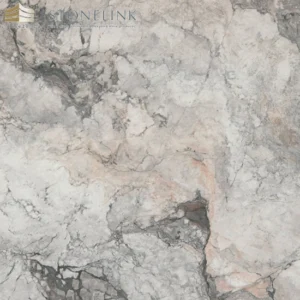
- Breccia Lunare Marble Grey 03
Ready to Source Natural Stone?
Contact the Stonelink team to compare slabs from our 60,000 m² inventory and get an export quote for your next project.
Frequently Asked Questions
How can I import natural stone from China?
Most overseas buyers work with Stonelink in four clear steps. (1) Share your project specifications, drawings or inspiration photos, or choose directly from our 60,000 m² inventory of 2,000+ designs. (2) We send whole-slab high-resolution photos and short video so you can verify exact veining, color and finish before committing — bookmatching and sequence are confirmed at this stage. (3) We handle export packing (foam-protected, fumigated wooden crates), container booking and ocean freight from Xiamen or Shuitou port. (4) Goods arrive at your destination port with the full document set (commercial invoice, packing list, Bill of Lading, certificate of origin, insurance). We support both full-container-load and LCL shipments, and all communication is in English.
What is your minimum order quantity (MOQ) and lead time?
MOQ typically starts from one container (about 20–27 tons depending on slab size and thickness), and mixed sizes or products are accepted so you can consolidate an entire project in one shipment. For smaller trials we can sometimes ship an LCL (less-than-container) batch of a few slabs, though the per-unit freight is higher; ask us and we will quote both options. Standard lead time is about 15–25 days after order confirmation for in-stock materials, or longer for custom cutting and special finishes. Before shipment we provide whole-slab photos and video so you know exactly what you receive, and we can hold stock for phased deliveries. For recurring orders we offer reserved inventory and rolling production schedules to keep your supply chain steady, and we quote both FOB Xiamen/Shuitou and delivered CIF or DDP to your port.
Can you send stone samples before I place an order?
Yes. We provide samples — offcuts or small slabs — so you can verify color, finish and quality before committing to a full shipment. Samples ship worldwide by courier (DHL, FedEx or UPS), typically within 3–7 days, and the sample cost is usually credited against your first container order. For large projects we can also send a full digital package — high-resolution whole-slab photos and short videos — so your designers can spec with confidence before any physical sample moves. Tell us the exact application, dimensions and finish you need and we will pick the most representative pieces rather than random offcuts, so the sample truly reflects the batch you would receive.
Do you provide quality control and certifications?
Yes. Stonelink is a China-based natural stone manufacturer and exporter operating from the Xiamen and Shuitou stone hub since 2012, with a 60,000 m² inventory spanning 2,000+ designs and direct quarry access, shipping to 80+ countries. Every shipment is inspected for packing and quality before loading — slabs are checked for cracks, bow, thickness tolerance and finish, then crated in foam-protected, fumigated wooden packaging. We can arrange third-party inspection (SGS, Intertek and similar) and supply the documentation your destination requires: commercial invoice, packing list, Bill of Lading, certificate of origin and, where relevant, CE marking or material test reports. Tell us your certification and labeling needs (for example the EU, US, Australia or Middle East) and we will match them and pre-clear the paperwork so customs clearance goes smoothly.
How do I choose the right natural stone for my project?
Start with the application: floors and high-traffic areas favor harder stones (granite, quartzite), while marble and onyx shine in lower-abuse, design-led spaces such as feature walls and vanities. Match the finish to the mood — polished for drama, honed for calm, leathered for texture — and confirm color stability under your actual lighting, since natural stone shifts with light. For wet areas choose a denser, well-sealing material and an appropriate finish, and review whole-slab photos or video with our team before you buy. We advise free of charge based on your project’s traffic, budget and aesthetic, so you avoid expensive mismatches and rework.
What shipping terms and documents are included?
We ship FOB Xiamen or Shuitou as standard and can also quote CIF or DDP to your port, so you control insurance and freight or let us handle it end to end. We manage export packing, container booking and ocean freight, and provide the full document set: commercial invoice, packing list, Bill of Lading, certificate of origin and cargo insurance. Both full-container-load and LCL (less-than-container-load) shipments are supported, and for landlocked destinations we can arrange door-to-door multimodal transport. Tell us your delivery address and incoterm preference and we will quote a landed cost, not just an ex-works price, so there are no surprises at the border.