
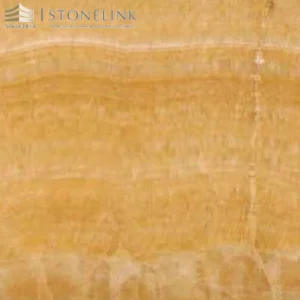
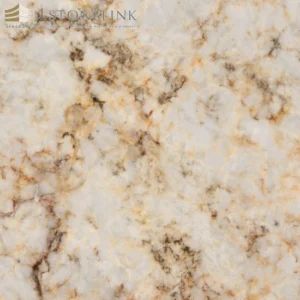
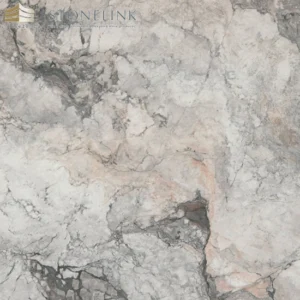
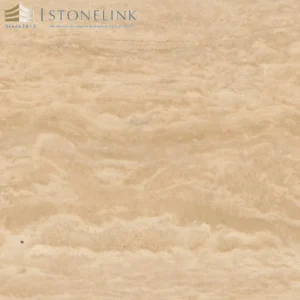
If you have ever wondered why a granite worktop shrugs off knife marks while a marble vanity needs gentle care, the answer lies in how the rock was formed. Every building stone is either igneous, metamorphic, or sedimentary, and that origin controls its hardness, porosity, and weather resistance. Understanding igneous, metamorphic, and sedimentary stone is the single most useful framework a buyer can have, because it turns a confusing showroom of names into a predictable set of performance choices. This article explains what each rock family is, how it performs in real buildings, and how to match it to your project so you never specify the wrong stone for the wrong place.
What Is Igneous Stone?
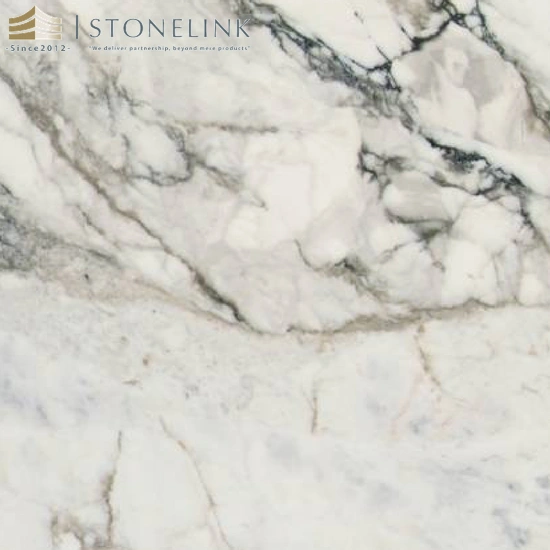
Igneous rock forms when molten magma cools and solidifies. When that cooling happens slowly underground, large crystals develop, producing the coarse, speckled pattern we recognize in granite. Because igneous stone never went through a re-forming pressure stage, it keeps a tight, crystalline structure with very low porosity.
Performance: Hard, typically Mohs 6 to 7, highly scratch and heat resistant, and largely immune to acid etching. It weathers slowly, which is why granite is the go-to for outdoor kitchens, facades, and busy counters that see daily punishment.
Typical uses: Kitchen countertops, flooring in high-traffic areas, exterior cladding, paving, and monuments. Granite is the primary commercial igneous stone, though gabbro and basalt also appear in architectural work where a dark, dense material is wanted.
Because of its density, igneous stone is also the easiest to maintain. A yearly sealing is often enough, and most everyday spills wipe away without staining. That low overhead is a big part of its popularity in commercial and rental settings.
What Is Metamorphic Stone?
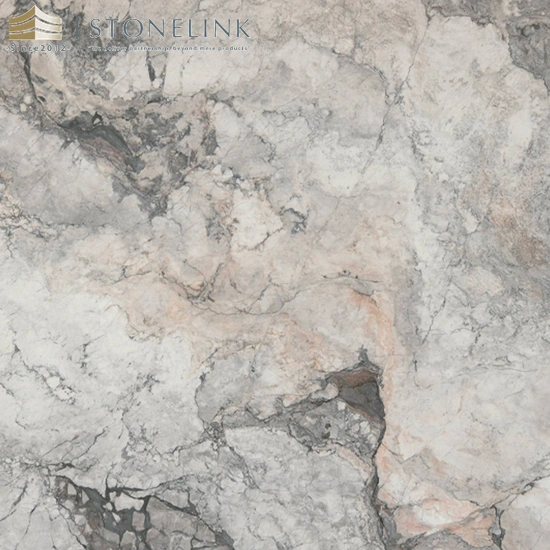
Metamorphic rock begins as an existing rock and is transformed by intense heat and pressure. Marble is metamorphosed limestone, quartzite is metamorphosed sandstone, and slate is metamorphosed shale. The process recrystallizes the minerals, often producing the dramatic veining and banding that designers prize.
Performance: Varies widely across the family. Quartzite is extremely hard, around Mohs 7, and resists acid. Marble is softer, Mohs 3 to 4, and etches in acid because it is calcite. Slate is fine-grained, dense, and naturally splits into flat sheets. The family is unified by beauty more than by a single performance profile, so each member must be judged on its own.
Typical uses: Marble and quartzite for interior counters, walls, and feature pieces; slate for roofing, steps, and pool surrounds. Metamorphic stone dominates luxury interiors because of its visual depth, and quartzite in particular has become the premium alternative to marble where durability is required.
What Is Sedimentary Stone?
Sedimentary rock forms from particles, shells, or minerals laid down in layers and compressed over millions of years. Limestone, travertine, and sandstone are the building-stone examples. These rocks are younger in feel, softer, and more porous than the other two families, which gives them their warm, natural character but also their care requirements.
Performance: Lower hardness and higher porosity. Calcium carbonate stones like limestone and travertine etch in acid and must be sealed, especially in wet or outdoor areas. Sandstone is gritty and slip friendly but also absorbs water and can weather if left unsealed in harsh climates.
Typical uses: Warm interior floors, wall cladding, landscape paving, pool decks, and heritage restoration where a soft, matte, natural look is wanted. Sedimentary stone is the landscape designer’s friend, pairing effortlessly with planting, timber, and water.
How Rock Origin Affects Your Material Choice
The three families map neatly onto common project needs, and a simple rule of thumb will carry you far:
Outdoor and high-wear areas: Choose igneous stone. Granite’s density and weather resistance make it the safest pick for facades, patios, and outdoor kitchens exposed to freeze-thaw cycles and direct sun.
Indoor decorative surfaces: Choose metamorphic stone. Marble and quartzite deliver the veining and luxury that define premium interiors, with quartzite offering the more durable option for kitchens and busy floors.
Wet and landscape zones: Choose sedimentary stone, but plan for sealing. Travertine around a pool, limestone on a feature wall, or sandstone on a garden path all perform well once properly maintained and finished for grip.
Hardness, Porosity, and Weather Resistance Compared
As a rule of thumb: igneous stones are hardest and least porous; metamorphic stones range from very hard (quartzite) to soft (marble); sedimentary stones are the softest and most porous. Weather resistance follows the same order. That does not mean softer stones are “bad”, it means they belong in the right place. A honed limestone floor in a low-traffic foyer is timeless; the same stone on a restaurant threshold would wear quickly and stain.
This is also why sealing matters more for some families than others. Granite may need sealing once every couple of years. Marble and travertine benefit from more frequent treatment, and any calcium carbonate stone should be kept away from acidic cleaners entirely. Matching the maintenance routine to the rock family is the difference between a stone that lasts decades and one that disappoints in two years.
Common Buying Mistakes by Rock Family
The most frequent error we see is specifying a soft sedimentary or calcite stone in a high-abuse location, then blaming the material when it etches or stains. The second is assuming all “white stones” perform alike; a white quartzite and a white marble may look similar but sit on opposite ends of the durability scale. Always ask the quarry or supplier for the geological classification and the Mohs hardness before you commit, especially on large projects where replacement is costly.
Reading a Stone Technical Data Sheet
Once you know the rock family, the technical sheet confirms it. Look for three numbers: Mohs hardness, water absorption percentage, and flexural or compressive strength. Igneous granite will show low absorption, often under 0.5 percent, and high strength. Metamorphic marble shows higher absorption and lower acid resistance; quartzite shows low absorption and high hardness. Sedimentary limestone and travertine show the highest absorption of the group. If the sheet contradicts the family, ask why, because mislabeling is common in a busy market.
Cost and Sustainability by Family
Price loosely tracks durability and rarity. Igneous granite is widely quarried and usually the most affordable durable option. Metamorphic marble spans a huge range from modest to ultra-premium, while quartzite, especially exotic Brazilian material, sits at the top. Sedimentary limestone and travertine are generally mid-priced and excellent value for large floor or landscape areas where coverage cost matters more than hardness. On sustainability, denser stones last longer and need less replacement, while local sourcing cuts freight emissions, a point worth raising with any supplier.
Bringing the Rock Family Back to Your Project
The practical takeaway is simple. List where the stone will live, how much traffic and moisture it will face, and how much maintenance you will tolerate. That short brief points straight to a rock family: igneous for toughness outdoors, metamorphic for beauty indoors, sedimentary for warmth in the right low-abuse spot. When you specify by family first and color second, you almost never make an expensive mistake, and you can shop confidently across quarries and brands because the geology stays constant even when the names change. A granite from Brazil and a granite from China will perform similarly; a “marble” that is actually dolomite will not perform like calcite marble at all.
Stonelink’s Approach to Sourcing Every Family
Because Stonelink has sourced and supplied igneous, metamorphic, and sedimentary stone to 80+ countries since 2012, we treat rock family as the first filter in any specification. From our Xiamen and Shuitou bases, with direct quarry access and a 60,000 m² inventory spanning 2,000+ designs, we help importers and fabricators pick the family that fits the installation environment, not just the sample board. Our team can present granite, quartzite, marble, and travertine side by side so the performance differences are visible, not just described.
Frequently Asked Questions
What is the difference between igneous, metamorphic, and sedimentary stone?
Igneous stone forms from cooled magma and is hard and dense, like granite. Metamorphic stone is transformed by heat and pressure, like marble and quartzite. Sedimentary stone forms from compressed layers, like limestone and sandstone, and is generally softer and more porous.
Which rock type is best for outdoor use?
Igneous stone, especially granite, is best for outdoors because of its hardness, low porosity, and resistance to weathering and freeze-thaw cycles. Dense slate also performs well in many exterior settings.
Is marble igneous or metamorphic?
Marble is metamorphic. It forms when limestone is subjected to heat and pressure, recrystallizing into calcite. That is why it etches in acid despite being a “hard” building stone.
Are sedimentary stones suitable for kitchens?
They can work for low-abuse surfaces like backsplashes, but limestone and travertine etch in acid and need sealing, so they are less practical than granite or quartzite for working countertops.
Explore Our Stone Collection
Looking for the right slab for your project? Browse Stonelink’s inventory of 2,000+ designs across marble, granite, quartzite, travertine, onyx and limestone.
Ready to Source Natural Stone?
Contact the Stonelink team to compare slabs from our 60,000 m² inventory and get an export quote for your next project.
Frequently Asked Questions
How can I import natural stone from China?
Most overseas buyers work with Stonelink in four clear steps. (1) Share your project specifications, drawings or inspiration photos, or choose directly from our 60,000 m² inventory of 2,000+ designs. (2) We send whole-slab high-resolution photos and short video so you can verify exact veining, color and finish before committing — bookmatching and sequence are confirmed at this stage. (3) We handle export packing (foam-protected, fumigated wooden crates), container booking and ocean freight from Xiamen or Shuitou port. (4) Goods arrive at your destination port with the full document set (commercial invoice, packing list, Bill of Lading, certificate of origin, insurance). We support both full-container-load and LCL shipments, and all communication is in English.
What is your minimum order quantity (MOQ) and lead time?
MOQ typically starts from one container (about 20–27 tons depending on slab size and thickness), and mixed sizes or products are accepted so you can consolidate an entire project in one shipment. For smaller trials we can sometimes ship an LCL (less-than-container) batch of a few slabs, though the per-unit freight is higher; ask us and we will quote both options. Standard lead time is about 15–25 days after order confirmation for in-stock materials, or longer for custom cutting and special finishes. Before shipment we provide whole-slab photos and video so you know exactly what you receive, and we can hold stock for phased deliveries. For recurring orders we offer reserved inventory and rolling production schedules to keep your supply chain steady, and we quote both FOB Xiamen/Shuitou and delivered CIF or DDP to your port.
Can you send stone samples before I place an order?
Yes. We provide samples — offcuts or small slabs — so you can verify color, finish and quality before committing to a full shipment. Samples ship worldwide by courier (DHL, FedEx or UPS), typically within 3–7 days, and the sample cost is usually credited against your first container order. For large projects we can also send a full digital package — high-resolution whole-slab photos and short videos — so your designers can spec with confidence before any physical sample moves. Tell us the exact application, dimensions and finish you need and we will pick the most representative pieces rather than random offcuts, so the sample truly reflects the batch you would receive.
Do you provide quality control and certifications?
Yes. Stonelink is a China-based natural stone manufacturer and exporter operating from the Xiamen and Shuitou stone hub since 2012, with a 60,000 m² inventory spanning 2,000+ designs and direct quarry access, shipping to 80+ countries. Every shipment is inspected for packing and quality before loading — slabs are checked for cracks, bow, thickness tolerance and finish, then crated in foam-protected, fumigated wooden packaging. We can arrange third-party inspection (SGS, Intertek and similar) and supply the documentation your destination requires: commercial invoice, packing list, Bill of Lading, certificate of origin and, where relevant, CE marking or material test reports. Tell us your certification and labeling needs (for example the EU, US, Australia or Middle East) and we will match them and pre-clear the paperwork so customs clearance goes smoothly.
How do I choose the right natural stone for my project?
Start with the application: floors and high-traffic areas favor harder stones (granite, quartzite), while marble and onyx shine in lower-abuse, design-led spaces such as feature walls and vanities. Match the finish to the mood — polished for drama, honed for calm, leathered for texture — and confirm color stability under your actual lighting, since natural stone shifts with light. For wet areas choose a denser, well-sealing material and an appropriate finish, and review whole-slab photos or video with our team before you buy. We advise free of charge based on your project’s traffic, budget and aesthetic, so you avoid expensive mismatches and rework.
What shipping terms and documents are included?
We ship FOB Xiamen or Shuitou as standard and can also quote CIF or DDP to your port, so you control insurance and freight or let us handle it end to end. We manage export packing, container booking and ocean freight, and provide the full document set: commercial invoice, packing list, Bill of Lading, certificate of origin and cargo insurance. Both full-container-load and LCL (less-than-container-load) shipments are supported, and for landlocked destinations we can arrange door-to-door multimodal transport. Tell us your delivery address and incoterm preference and we will quote a landed cost, not just an ex-works price, so there are no surprises at the border.