
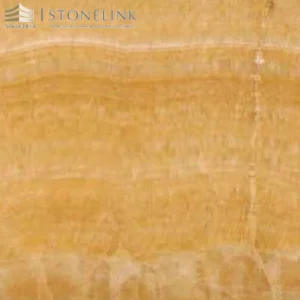
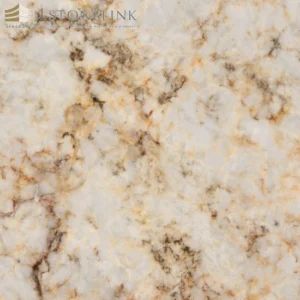
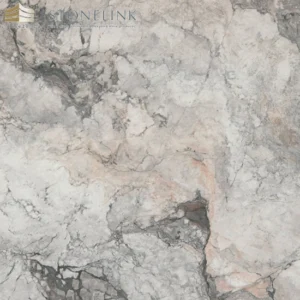
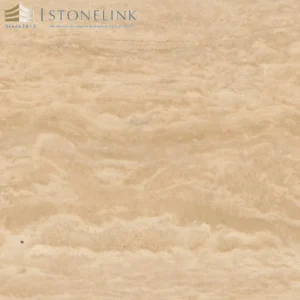
Green is the breakout color in natural stone for 2026, and the search interest in green marble green quartzite shows why. Designers are moving past safe whites and greys toward verdant surfaces that feel organic, grounding, and a little unexpected. But “green stone” is not one material. It spans soft green marbles, tough green quartzites like Cristallo Tiffany and Emerald, and translucent green onyx. Each behaves differently on a counter, a wall, or a backlit feature. This guide maps the trending green stones so you can pick the right one and avoid mixing up a delicate marble with a durable quartzite.
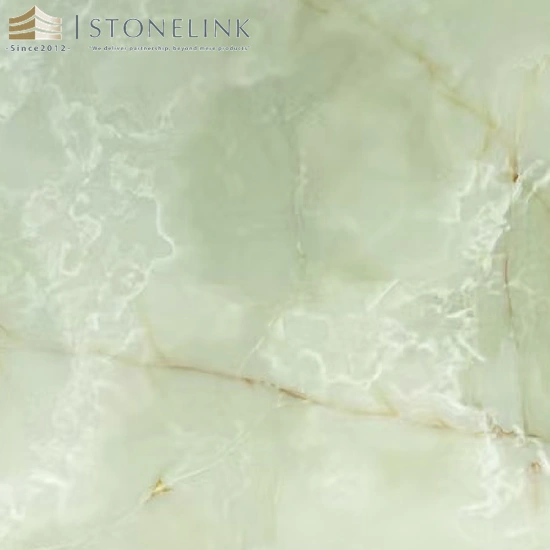
Why Green Stone Is Trending
The shift to green ties into biophilic design, the idea that spaces feel better when they echo nature. After years of all-white kitchens, homeowners want depth and personality, and green stone delivers both. It pairs with brass, warm wood, cream, and black, so it slots into many palettes. Green also photographs beautifully, which fuels its spread across social feeds and showrooms. The result is real demand from both residential buyers and hotels chasing a calm, organic-modern identity.
Green Marble: Soft, Elegant, Acid-Sensitive
Green marble covers a family of calcium-carbonate stones with green coloring from minerals such as serpentine or chlorite. You will meet names like Verde (green) marble, Ming Green, and decorative varieties with white or gold veining over a jade-to-forest ground. Green marble reads as elegant and subtle, wonderful on bathroom walls, vanities, and low-traffic feature areas.
As marble, it etches from acid and needs sealing, so it is not the first choice for a heavy prep counter. Its appeal is color and softness rather than toughness. Where a green marble truly sings is a book-matched bathroom wall or a powder-room vanity, places where the hue does the talking and acids stay away.
Green Quartzite: The Durable Verdant Workhorse
Green quartzite is the answer when you want green and you want it to last. Quartzite is metamorphic sandstone, typically rating near 7 on the Mohs scale, so it resists scratching and, importantly, does not etch from citrus or wine the way marble does. Two names lead the category.
Cristallo Tiffany is a pale, icy green quartzite with a translucent, almost mint glow; backlit, it looks like frozen light. Emerald quartzite runs deeper and richer, a saturated green that brings drama to a kitchen island without the fragility of marble. Both take polish to a glassy depth and handle real kitchen use, which is why specifiers increasingly choose green quartzite over green marble for counters.
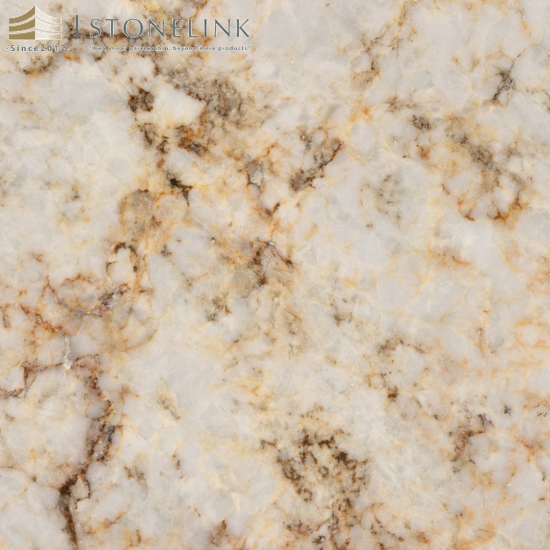
Green Onyx: Translucent and Precious
Green onyx is a banded calcite (often grouped with onyx) prized for its translucency. Lit from behind, it glows with layered green and white rivers, making it the ultimate luxury feature panel behind a bar, in a reception wall, or as a vanity splash. Onyx is softer and more delicate than quartzite and marble, so it is used as a lit art panel rather than a working surface. With proper backing and edge support, a backlit green onyx slab becomes the most-talked-about element in a room.
Performance Comparison
Match the stone to the job. Green quartzite wins for counters and high-touch areas because it is hard and acid-resistant. Green marble suits vertical and low-traffic decorative use where etching risk is low. Green onyx is a backlit showpiece, not a worktop. All three want sealing, but only the quartzite shrugs off daily kitchen acids. If a supplier calls a green stone “quartzite” but it etches in an acid test, it may actually be a marble or a soft onyx, so verify the rock type before you commit.
Design Pairings for Green Stone
Green marble and quartzite love warm contrasts. Pair Emerald quartzite with brass taps and walnut cabinets for a moody, jewel-box kitchen. Use Cristallo Tiffany on a backsplash with pale oak and cream walls so its icy glow reads as fresh. Green onyx belongs behind lighting, against dark surroundings that make the translucency pop. For flooring or large walls, green marble in honed finish gives soft, grounded texture underfoot.
Backlighting Green Stone
Backlighting is what turns green onyx and pale green quartzite into statements. The trick is even LED panels with a diffuser so the glow has no hot spots, plus a thickness the stone can span without flexing. Onyx almost always needs a backing panel and professional install; quartzite can be thinner but still benefits from a lit recess. Plan the lighting at the design stage, because retrofitting a lit green slab is far harder once the wall is built.
Stonelink’s Green Stone Range
Stonelink has supplied green marbles, green quartzites, and green onyx to 80+ countries since 2012, from our Xiamen and Shuitou bases with direct quarry access and global sourcing. Our 60,000 m² inventory and 2,000+ designs include Verde and Ming Green marbles, Emerald and Cristallo-style green quartzites, and translucent green onyx, so buyers can compare a delicate marble against a durable quartzite in person. For backlit work we can advise on slab selection and edge support so the panel performs as well as it looks.
Frequently Asked Questions
Is green quartzite better than green marble for kitchens?
For most kitchens, yes. Green quartzite resists scratching and acid etching, while green marble etches from lemon, wine, and other acids. Choose marble for low-traffic decorative walls and quartzite for working counters.
What is Cristallo Tiffany quartzite?
It is a pale, icy green Brazilian quartzite known for a translucent, mint-like glow, especially when backlit. It is durable like other quartzites and is popular for islands and lit feature walls.
Can green onyx be used on a countertop?
Onyx is best as a backlit decorative panel rather than a working counter. It is softer and more delicate than marble or quartzite, so it is usually reserved for feature walls, bars, and vanity splashes with proper support.
Does green marble need sealing?
Yes. Like all marble it is porous and acid-sensitive, so a quality sealer plus prompt wiping keeps the green clear and free of etch marks, particularly on vanities and bath walls.
Green Stone for Floors and Stairs
Green marble and green quartzite both work on floors, but the choice follows traffic. Green quartzite floors handle entryways, stairs, and commercial spaces because they resist abrasion and acid from tracked-in liquids. Green marble floors suit lower-traffic residential areas and look lovely honed, where the soft green grounds a room without glare. On stairs, a honed or textured green quartzite tread is the safe, slip-resistant option, while a green marble stair is best as a visual feature in a calm, dry area. Whatever you pick, use a non-acidic stone cleaner and seal on schedule to keep the color saturated.
How to Verify You’re Getting Real Quartzite
Mislabeling is common in green stone, with soft green marbles sold as “quartzite” at quartzite prices. A quick field check is the acid test: a drop of lemon juice on true quartzite leaves no mark, while marble or onyx etches and dulls. A scratch test with a steel knife also helps, quartzite is harder to mark than marble. For backlit panels, confirm whether the slab is onyx (softer, more fragile, needs backing) or quartzite (tougher). Stonelink provides full slab photos and can note the rock type and recommended use on each quote, so importers know exactly what they are booking before it ships.
Mixing Green Stones in One Project
Green stones play well together if you separate them by use. A common, elegant move is a durable Emerald quartzite island for the working kitchen, with a backlit green onyx panel behind the bar for drama, and a soft green marble in a nearby powder room. The quartzite carries the daily load, the onyx delivers the wow, and the marble adds a quiet verdant note where acids never land. Keep the greens in the same temperature family, cool mints with cool mints and deep emeralds with deep emeralds, so the palette feels designed rather than random. Stonelink can lay out these combinations on one quote so the tones stay coordinated.
Green Stone and Property Appeal
Green stone is more than a trend, it signals a considered, design-forward home, which helps resale and rental appeal. A green quartzite island or a backlit green onyx bar reads as a custom upgrade rather than a catalog default, and buyers remember it. Because green is still less common than white or grey, it differentiates a listing without dating it, especially in the cooler emerald and mint tones. For investors, the durable quartzites offer the look with none of the marble upkeep worry, so the green stays pristine between owners. Specified well, green stone is both a style statement and a quiet value add.
Explore Our Stone Collection
Looking for the right slab for your project? Browse Stonelink’s inventory of 2,000+ designs across marble, granite, quartzite, travertine, onyx and limestone.
Ready to Source Green Stone?
Contact the Stonelink team to compare slabs from our 60,000 m² inventory and get an export quote for your next project.
Frequently Asked Questions
How can I import natural stone from China?
Most overseas buyers work with Stonelink in four clear steps. (1) Share your project specifications, drawings or inspiration photos, or choose directly from our 60,000 m² inventory of 2,000+ designs. (2) We send whole-slab high-resolution photos and short video so you can verify exact veining, color and finish before committing — bookmatching and sequence are confirmed at this stage. (3) We handle export packing (foam-protected, fumigated wooden crates), container booking and ocean freight from Xiamen or Shuitou port. (4) Goods arrive at your destination port with the full document set (commercial invoice, packing list, Bill of Lading, certificate of origin, insurance). We support both full-container-load and LCL shipments, and all communication is in English.
What is your minimum order quantity (MOQ) and lead time?
MOQ typically starts from one container (about 20–27 tons depending on slab size and thickness), and mixed sizes or products are accepted so you can consolidate an entire project in one shipment. For smaller trials we can sometimes ship an LCL (less-than-container) batch of a few slabs, though the per-unit freight is higher; ask us and we will quote both options. Standard lead time is about 15–25 days after order confirmation for in-stock materials, or longer for custom cutting and special finishes. Before shipment we provide whole-slab photos and video so you know exactly what you receive, and we can hold stock for phased deliveries. For recurring orders we offer reserved inventory and rolling production schedules to keep your supply chain steady, and we quote both FOB Xiamen/Shuitou and delivered CIF or DDP to your port.
Can you send stone samples before I place an order?
Yes. We provide samples — offcuts or small slabs — so you can verify color, finish and quality before committing to a full shipment. Samples ship worldwide by courier (DHL, FedEx or UPS), typically within 3–7 days, and the sample cost is usually credited against your first container order. For large projects we can also send a full digital package — high-resolution whole-slab photos and short videos — so your designers can spec with confidence before any physical sample moves. Tell us the exact application, dimensions and finish you need and we will pick the most representative pieces rather than random offcuts, so the sample truly reflects the batch you would receive.
Do you provide quality control and certifications?
Yes. Stonelink is a China-based natural stone manufacturer and exporter operating from the Xiamen and Shuitou stone hub since 2012, with a 60,000 m² inventory spanning 2,000+ designs and direct quarry access, shipping to 80+ countries. Every shipment is inspected for packing and quality before loading — slabs are checked for cracks, bow, thickness tolerance and finish, then crated in foam-protected, fumigated wooden packaging. We can arrange third-party inspection (SGS, Intertek and similar) and supply the documentation your destination requires: commercial invoice, packing list, Bill of Lading, certificate of origin and, where relevant, CE marking or material test reports. Tell us your certification and labeling needs (for example the EU, US, Australia or Middle East) and we will match them and pre-clear the paperwork so customs clearance goes smoothly.
How do I choose the right natural stone for my project?
Start with the application: floors and high-traffic areas favor harder stones (granite, quartzite), while marble and onyx shine in lower-abuse, design-led spaces such as feature walls and vanities. Match the finish to the mood — polished for drama, honed for calm, leathered for texture — and confirm color stability under your actual lighting, since natural stone shifts with light. For wet areas choose a denser, well-sealing material and an appropriate finish, and review whole-slab photos or video with our team before you buy. We advise free of charge based on your project’s traffic, budget and aesthetic, so you avoid expensive mismatches and rework.
What shipping terms and documents are included?
We ship FOB Xiamen or Shuitou as standard and can also quote CIF or DDP to your port, so you control insurance and freight or let us handle it end to end. We manage export packing, container booking and ocean freight, and provide the full document set: commercial invoice, packing list, Bill of Lading, certificate of origin and cargo insurance. Both full-container-load and LCL (less-than-container-load) shipments are supported, and for landlocked destinations we can arrange door-to-door multimodal transport. Tell us your delivery address and incoterm preference and we will quote a landed cost, not just an ex-works price, so there are no surprises at the border.