
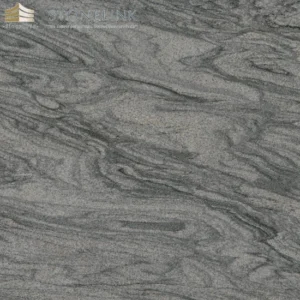
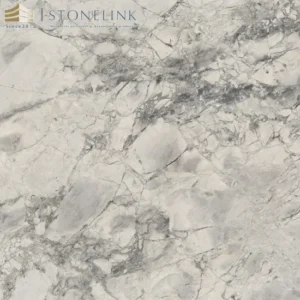
Granite and marble are the two names most homeowners already know, but knowing the names is not the same as understanding how they perform once installed. Both are natural stone, both have been used in buildings for centuries, and both can look superb in the right setting. After supplying both from our Shuitou and Xiamen operations to buyers in 80+ countries since 2012, we can say plainly that the gap between them is not about quality. It is about composition, and that composition decides everything from daily care to lifespan.
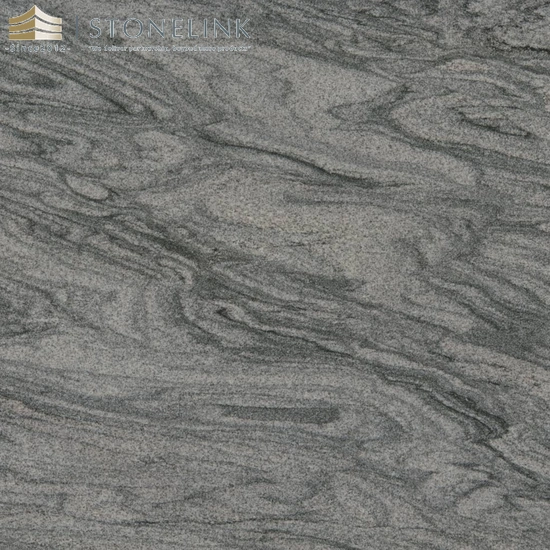
How They Form, and Why That Matters
Granite is an igneous rock, cooled slowly underground from molten magma. It is a mix of quartz, feldspar, and mica, which gives it the speckled, crystalline look and its famous hardness. Marble, as covered in our other guides, is metamorphic limestone built on calcite.
That single difference in mineral content is the root of every comparison that follows. Granite shrugs off acid. Marble does not.
Durability and Scratch Resistance
Granite is one of the toughest countertop materials on the market. It resists scratches, chips, and heat exceptionally well, and you can set a hot pan on it without panic (though a trivet is still good practice). Marble is softer, near 3 to 4 on the Mohs scale versus granite’s 6 to 7, so it scratches more easily and etches on contact with acids.
If the surface will take abuse, granite is the rational choice. If it is a low-traffic vanity or a show kitchen, marble’s softness matters far less.
Stain and Etch Behavior
Both stones are porous and both need sealing. The difference is chemical. A dropped lemon or a wine splash on granite is a cleanup job. The same spill left on marble leaves a dull etch mark that needs repolishing. Granite buyers report far fewer maintenance surprises over the years.
Appearance and Design Language
Granite reads as earthy, granular, and often busier, with depth that catches light at different angles. It suits traditional and transitional kitchens and pairs well with wood cabinetry. Marble reads as calm, luminous, and architectural, the default for high-end minimal and classic European looks.
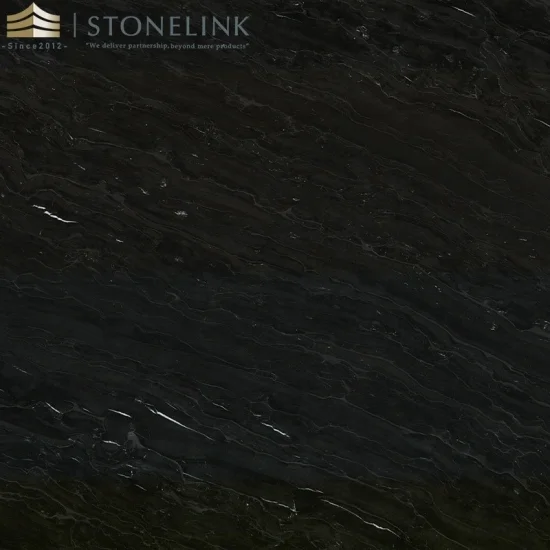
For dark, dramatic statements, a black marble like Vanta Nero delivers a depth granite rarely matches, while a black granite gives you the drama with none of the etching worry.
Maintenance Comparison
- Granite: seal once a year or every couple of years depending on the slab; wipe with mild soap; heat and acid resistant.
- Marble: seal more often; wipe acidic spills immediately; accept or restore a developing patina.
Neither is difficult. Marble simply asks for more attention, and that is the honest trade for its appearance.
Cost Overview
As an industry range, granite countertops commonly land around USD 35 to 120 per square foot installed, with exotic and rare colours pushing higher. Marble typically runs roughly USD 40 to 150 per square foot installed, and the rare Italian varieties climb above that. The two overlap heavily, so price alone should not decide it.
Stonelink’s direct quarry access and global sourcing let us hold both granite and marble in our 60,000 m² inventory across 2,000+ designs, so matching a project’s budget to a specific block is straightforward. Both are part of our six stone families, alongside quartzite, travertine, onyx, and limestone.
Which One Fits Your Project?
Choose granite for busy kitchens, rentals, and anywhere durability tops the priority list. Choose marble for statement spaces, bathrooms, and clients who want the look and accept the care. Both ship reliably when crated for ocean freight, which is the part most first-time importers underestimate.
Frequently Asked Questions
Is granite more durable than marble?
Yes, on hardness and acid resistance. Granite resists scratches and etching far better, which is why it is the safer pick for heavy-use kitchens.
Does marble stain easier than granite?
Marble is more prone to etching from acids and can stain if unsealed, but with regular sealing neither stone stains easily. The real gap is etching, not staining.
Can granite and marble be used together?
Often. A common layout uses marble on a bathroom vanity or island feature and granite on the heavy prep surfaces. Just plan maintenance around the marble.
Which holds value better?
Both add value. Granite appeals to practical buyers; marble appeals to design-driven buyers. Condition at resale matters more than the stone type.
Explore Our Stone Collection
Looking for the right slab for your project? Browse Stonelink’s inventory of 2,000+ designs across marble, granite, quartzite, travertine, onyx and limestone.
Ready to Source Granite or Marble?
Contact the Stonelink team to review slabs from our 60,000 m² inventory and get a container quote for your next project.