
When a hotel, airport, or office tower sets out to make a first impression, commercial natural stone is almost always part of the specification. Stone communicates permanence, quality, and craft in a way no laminate can, and in large volumes it is also a practical, hard-wearing cladding and flooring system. But commercial stone projects are governed by different rules than a home renovation: durability, fire and load compliance, large-format consistency, and reliable volume supply all decide success. This guide covers what specifiers need to know before they put marble, granite, or quartzite into a large building.
Why Natural Stone for Commercial Projects?
In a lobby or arrival hall, stone does heavy lifting. It withstands constant foot traffic, reads as premium to guests and tenants, and ages with dignity rather than looking dated after a few years. A well-detailed marble or granite floor can serve a building for decades with only periodic restoration, which often beats replacing worn synthetic flooring on a shorter cycle. Stone also supports design identity: a signature bookmatched wall or a particular granite threshold becomes part of the brand.
For projects of scale, working with an established supplier matters. Stonelink, a natural stone manufacturer and exporter based in Xiamen and Shuitou since 2012, holds a 60,000 m² inventory across 2,000+ designs and ships to more than 80 countries, with direct quarry access and global sourcing that help secure consistent material and volume for large contracts.
Material Selection for Durability
Commercial stone must be chosen for performance, not just looks:
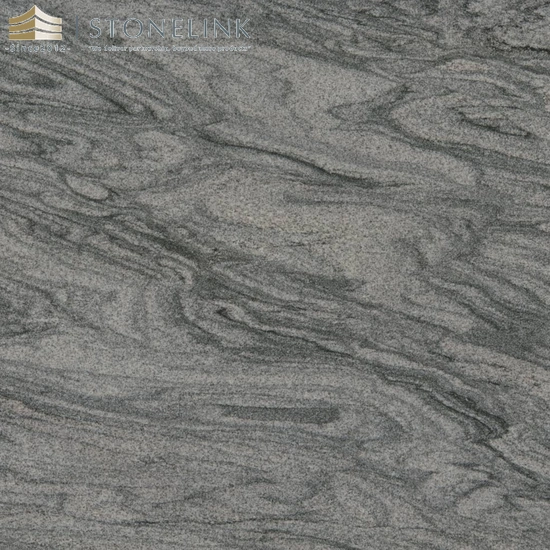
Granite is the workhorse for floors, thresholds, and high-traffic stairs thanks to its 6–7 Mohs hardness and low porosity. Quartzite offers marble-like veining with far better scratch and acid resistance, ideal for feature walls and premium fronts. Marble is best reserved for lower-traffic statement areas, walls, and reception desks where its beauty is seen but not abused; honed finishes hide wear. Travertine and limestone suit calm, controlled-traffic interiors and exterior paving when filled and sealed. Match the stone to the abuse it will take.
Large-Format Slabs and Bookmatching
Grand lobbies favour large-format slabs because fewer joints mean a cleaner, more luxurious plane and faster installation. For a dramatic reception wall, specifiers often request bookmatched or slip-matched layouts so a single veining pattern flows across many panels. This requires the supplier to reserve and sequence whole blocks, not just loose slabs, so the pattern is continuous. Plan the layout drawing early and confirm the quarry can deliver the matched sequence before committing the design.
Compliance: Fire, Load, and Slip
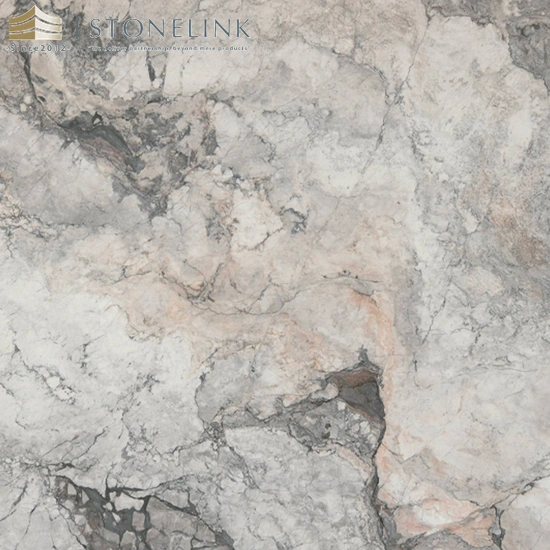
Commercial stone must satisfy building codes. Stone itself is non-combustible, which helps fire ratings, but the full assembly, including adhesives and backing, needs to meet the relevant standard. Load matters for raised floors, mezzanines, and stair treads: verify the substrate and fixings carry the stone’s weight plus traffic. Slip resistance is governed by codes in wet areas, entrances, and poolsides, so specify honed, flamed, or textured finishes and document the wet Pendulum or DCOF values. Keep a finishes schedule that records the exact stone, finish, and test result for sign-off.
Supply, Lead Time, and Volume
The biggest risk in a large project is running out of matching stone mid-build. Specifiers should lock the quarry block or full slab allocation up front, order a documented attic stock (typically 5–10% extra) for future repairs, and agree a realistic lead time that includes cutting, finishing, and ocean freight. Container shipping and customs add weeks, so stone lead times are rarely short. A supplier with on-hand inventory and multiple quarry relationships, like Stonelink’s direct-access model, reduces the chance of a colour mismatch or stoppage.
Stonelink’s Project Experience
Stonelink has spent over a decade supplying natural stone for sizeable commercial and hospitality work, including hotel and airport-type projects where consistency across thousands of square metres is essential. The practical advantage for a specifier is the ability to view whole blocks, reserve matched material, and coordinate cut-to-size fabrication so a lobby floor, wall cladding, and reception desk all read from the same stone story. While specific past project names should be confirmed case by case, the sourcing and volume capability is built for contracts that would stall a small yard.
Installation and Quality Control
Even perfect stone fails with poor setting. Commercial installs need a qualified stone contractor, a suitable modified adhesive or mortar system, proper movement joints, and a levelling programme for large tiles. Require a mock-up panel approved by the design team before full installation, and inspect for colour and veining consistency as crates open. Waterproofing and drainage must be correct in exterior and wet areas, because trapped moisture, not the stone, is the usual cause of failure.
Maintenance Planning From Day One
Specify a care plan at design stage: daily dust-mopping on stone floors, periodic professional honing and crystallization for marble, and resealing schedules for honed surfaces. Entrance matting at doors dramatically cuts the grit that wears stone. A building that plans maintenance spends far less over its life than one that discovers damage years later.
Sustainability and Life-Cycle Value
Natural stone is increasingly favoured on green-building scorecards because it is a low-embodied-energy material compared with manufactured surfaces, contains no resins or VOCs, and, crucially, lasts. A granite or quartzite floor installed today can still be in service in fifty years, merely honed and re-polished rather than replaced, which is the truest form of sustainability. Specify locally or regionally sourced stone where possible to cut transport impact, ask suppliers for quarry restoration and water-recycling practices, and design for disassembly so offcuts and attic stock can be reused. Stonelink’s direct quarry access and global sourcing let specifiers balance origin, cost, and lead time while keeping a single accountable supply chain.
Selecting the Right Supplier: A Checklist
For a large commercial stone package, the supplier is as important as the stone. Before awarding the contract, verify: proven volume capacity for your square-metre requirement, the ability to reserve matched blocks for bookmatching, documented quality control and test reports (Mohs, absorption, slip), a realistic written lead time including freight, references on comparable hospitality or transport projects, and clear attic-stock and claims handling. Insist on a physical mock-up and a signed sample of the exact material. A supplier that cannot answer these points clearly is a risk no project manager should accept on a flagship building.
Budgeting and Avoiding Surprises
Commercial stone budgets should be built around the finished, installed square metre, not the raw slab price, because cutting, finishing, honing, bookmatching, crating, freight, and installation dominate the real cost. Allow contingency for attic stock and for the inevitable extras that appear during a long build. The most expensive mistake is a colour or finish change mid-project that forces new material; locking the specification early and protecting it with a clear finishes schedule is the cheapest insurance available. Done well, a natural stone interior rewards the building with decades of presence and far lower lifetime cost than repeated synthetic replacements.
Restoration as a Life-Cycle Strategy
A point often missed at handover is that commercial stone is renewable. A marble lobby floor that has dulled after ten years of traffic can be re-honed and crystallised back to a high shine without replacing a single tile, and worn granite can be re-flamed or re-polished. Building this restoration cycle into the asset plan turns stone from a fixed decorative cost into a maintained, appreciating surface. Specify the original material and finish in the facilities manual, keep the attic stock labelled and dry, and train the cleaning contractor in stone-safe products. The buildings that look best at twenty years are the ones that planned stone care from day one, not those that treated it as a one-time purchase.
Frequently Asked Questions
Which stone is best for a high-traffic hotel lobby?
Granite or quartzite for the main floor and stairs, with marble reserved for lower-traffic feature walls and reception desks. Choose honed or textured finishes for slip safety and to hide wear.
How do you keep veining consistent across a large wall?
Reserve whole quarry blocks and request bookmatched or slip-matched sequencing from the supplier, then approve a layout drawing and a mock-up before cutting. Consistency depends on locking matched material early.
What lead time should we allow for commercial stone?
Budget weeks, not days. Cutting, finishing, ocean freight, and customs all add time. Reserve the full slab allocation and attic stock up front, and confirm lead time in writing with your supplier.
Does natural stone meet fire and slip codes?
Stone is non-combustible, aiding fire ratings, but the full assembly must comply. For slip, specify tested honed, flamed, or textured finishes and document wet slip values to satisfy code in entrances and wet areas.
Explore Our Stone Collection
Looking for the right slab for your project? Browse Stonelink’s inventory of 2,000+ designs across marble, granite, quartzite, travertine, onyx and limestone.
Ready to Source Stone for Your Project?
Contact the Stonelink team to compare slabs from our 60,000 m² inventory and get an export quote for your next project.
Frequently Asked Questions
How can I import natural stone from China?
Most overseas buyers work with Stonelink in four clear steps. (1) Share your project specifications, drawings or inspiration photos, or choose directly from our 60,000 m² inventory of 2,000+ designs. (2) We send whole-slab high-resolution photos and short video so you can verify exact veining, color and finish before committing — bookmatching and sequence are confirmed at this stage. (3) We handle export packing (foam-protected, fumigated wooden crates), container booking and ocean freight from Xiamen or Shuitou port. (4) Goods arrive at your destination port with the full document set (commercial invoice, packing list, Bill of Lading, certificate of origin, insurance). We support both full-container-load and LCL shipments, and all communication is in English.
What is your minimum order quantity (MOQ) and lead time?
MOQ typically starts from one container (about 20–27 tons depending on slab size and thickness), and mixed sizes or products are accepted so you can consolidate an entire project in one shipment. For smaller trials we can sometimes ship an LCL (less-than-container) batch of a few slabs, though the per-unit freight is higher; ask us and we will quote both options. Standard lead time is about 15–25 days after order confirmation for in-stock materials, or longer for custom cutting and special finishes. Before shipment we provide whole-slab photos and video so you know exactly what you receive, and we can hold stock for phased deliveries. For recurring orders we offer reserved inventory and rolling production schedules to keep your supply chain steady, and we quote both FOB Xiamen/Shuitou and delivered CIF or DDP to your port.
Can you send stone samples before I place an order?
Yes. We provide samples — offcuts or small slabs — so you can verify color, finish and quality before committing to a full shipment. Samples ship worldwide by courier (DHL, FedEx or UPS), typically within 3–7 days, and the sample cost is usually credited against your first container order. For large projects we can also send a full digital package — high-resolution whole-slab photos and short videos — so your designers can spec with confidence before any physical sample moves. Tell us the exact application, dimensions and finish you need and we will pick the most representative pieces rather than random offcuts, so the sample truly reflects the batch you would receive.
Do you provide quality control and certifications?
Yes. Stonelink is a China-based natural stone manufacturer and exporter operating from the Xiamen and Shuitou stone hub since 2012, with a 60,000 m² inventory spanning 2,000+ designs and direct quarry access, shipping to 80+ countries. Every shipment is inspected for packing and quality before loading — slabs are checked for cracks, bow, thickness tolerance and finish, then crated in foam-protected, fumigated wooden packaging. We can arrange third-party inspection (SGS, Intertek and similar) and supply the documentation your destination requires: commercial invoice, packing list, Bill of Lading, certificate of origin and, where relevant, CE marking or material test reports. Tell us your certification and labeling needs (for example the EU, US, Australia or Middle East) and we will match them and pre-clear the paperwork so customs clearance goes smoothly.
How do I choose the right natural stone for my project?
Start with the application: floors and high-traffic areas favor harder stones (granite, quartzite), while marble and onyx shine in lower-abuse, design-led spaces such as feature walls and vanities. Match the finish to the mood — polished for drama, honed for calm, leathered for texture — and confirm color stability under your actual lighting, since natural stone shifts with light. For wet areas choose a denser, well-sealing material and an appropriate finish, and review whole-slab photos or video with our team before you buy. We advise free of charge based on your project’s traffic, budget and aesthetic, so you avoid expensive mismatches and rework.
What shipping terms and documents are included?
We ship FOB Xiamen or Shuitou as standard and can also quote CIF or DDP to your port, so you control insurance and freight or let us handle it end to end. We manage export packing, container booking and ocean freight, and provide the full document set: commercial invoice, packing list, Bill of Lading, certificate of origin and cargo insurance. Both full-container-load and LCL (less-than-container-load) shipments are supported, and for landlocked destinations we can arrange door-to-door multimodal transport. Tell us your delivery address and incoterm preference and we will quote a landed cost, not just an ex-works price, so there are no surprises at the border.