
STONE BUYING GUIDE · Updated 2026 · For importers, fabricators, contractors & specifiers
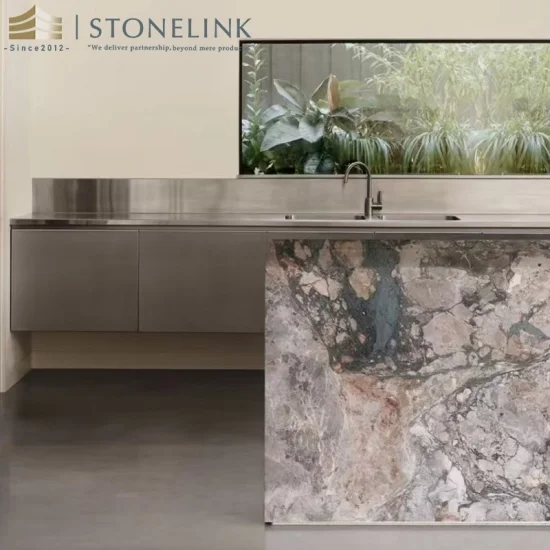
Italian white marble on kitchen islands — the category most often specified as Carrara, Calacatta, or Statuario.
Specifiers frequently use “Carrara,” “Calacatta,” and “Statuario” as if they were interchangeable. They are not. All three are genuine Italian marbles from the Apuan Alps in Tuscany, but they sit on very different points of the rarity-and-price curve — and confusing them is one of the most common causes of budget overruns on stone projects.
Where They Come From
All three marbles are quarried in the same mountain range in northern Tuscany, yet from different seams and quarry basins. The geology is similar — a metamorphic limestone rich in calcite — but the mineral impurities that create veining vary block to block, and the strictest Calacatta and Statuario material comes from a limited number of licensed quarries.
- Carrara (Carrara / Massa): The largest producing basin, with dozens of active quarries. Material is abundant and exported worldwide.
- Calacatta: Quarried in a much smaller zone within the Apuan Alps; output is a fraction of Carrara’s and tightly controlled.
- Statuario: Comes from a handful of historic quarries with very limited annual yield, making it the scarcest of the three.
How To Tell Them Apart
The fastest field identification is veining contrast and background tone:
Carrara
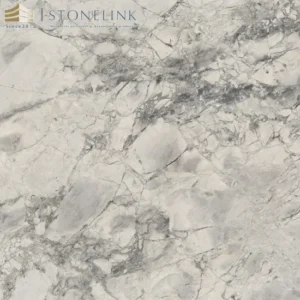
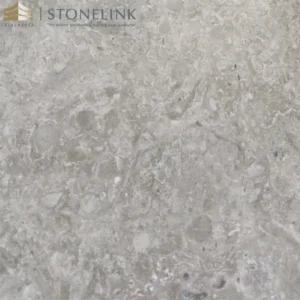
A grey-white or cool white background with subtle, feathery, linear grey veins. The veining is busy but low-contrast and can read as “smoky.” It is the look most people picture as “classic marble.”
Calacatta
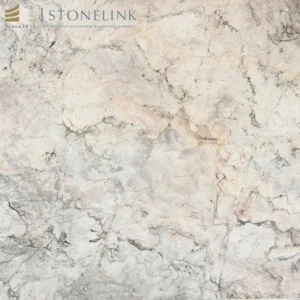
A brighter, warmer white background with bold, dramatic veins in grey and often warm gold or beige tones. The contrast is high and the veins are thicker and more architectural. Calacatta Gold, with its golden veining, is the most requested variant.
Statuario
An exceptionally white, almost luminous background with dramatic, razor-sharp grey veins in broad, sculptural patterns. It is the marble Michelangelo favored and remains the choice for statement surfaces.
Comparison Table
| Attribute | Carrara | Calacatta | Statuario |
|---|---|---|---|
| Background tone | Cool grey-white | Warm bright white | Near-pure luminous white |
| Veining | Fine, soft grey, linear | Bold grey + gold/beige | Dramatic, sharp grey, sculptural |
| Rarity | Abundant | Rare | Rarest |
| Mohs hardness | ~3 (calcite) | ~3 (calcite) | ~3 (calcite) |
| Typical slab price (USD/sq ft, uninstalled) | $40–$70 | $80–$180 | $150–$400+ |
| Best use | Bathrooms, floors, large-volume work | Feature islands, backsplashes | Iconic feature surfaces, luxury hotels |
Slab prices vary by block selection, thickness (2 cm vs 3 cm), finish, and freight; the ranges above are indicative FOB/wholesale references for planning only.
Price Reality Check
Because all three share the same base mineral (calcite, Mohs ~3), performance is identical — they etch and scratch the same way. The price gap is driven almost entirely by rarity and appearance, not durability. A Calacatta Gold slab can cost 3–5× a comparable Carrara slab, and Statuario can run 5–10×.
For most residential and hospitality projects, Carrara delivers 90% of the “Italian marble” look at a fraction of the cost. Reserve Calacatta and Statuario for the one or two surfaces where the stone is the hero.
Choosing For Your Project
- High-volume, budget-conscious: Carrara. Ideal for bathroom vanities, flooring, and shower walls where area cost matters.
- One hero surface: Calacatta. A single island or backsplash becomes the focal point without bankrupting the spec.
- Landmark / luxury statement: Statuario. Best for signature reception desks, sculptural stair treads, or flagship retail.
STONELINK supplies Italian and Italian-style white marbles in slab, tile, and cut-to-size formats and can provide current block photos so you can confirm vein character before committing to a container.
Frequently Asked Questions
Are Carrara, Calacatta, and Statuario the same stone?
No. They are distinct marbles from the Apuan Alps with different background tones, veining patterns, rarity, and price points. Chemically they are all calcite-based (Mohs ~3), so performance is similar, but appearance and cost differ greatly.
Which is the most durable?
All three have essentially the same hardness (~Mohs 3) and the same etching/scratch behavior because they are all calcite marble. Durability does not justify the price gap — rarity and looks do.
Why is Statuario so expensive?
Statuario comes from a very small number of quarries with limited annual yield, and only a fraction of each block meets the clean, high-contrast aesthetic buyers want. Scarcity plus selectivity drives the premium.
Can I use these outdoors?
Not recommended. As calcite marble (Mohs ~3), all three are acid-sensitive and will etch and weather outdoors. For exterior cladding, granite or dense quartzite is the safer specification.
How do I avoid being overcharged for Carrara sold as Calacatta?
Request block/slab photos and a written material declaration specifying the quarry name and variety. Compare vein contrast: true Calacatta shows bold gold-grey veins on bright white, not the soft smoky grey of Carrara.
About the Source
STONELINK is a natural stone manufacturer and exporter supplying marble, granite, quartzite, and other natural stone slabs, tiles, and cut-to-size pieces to importers, wholesalers, and project contractors worldwide. For material selection support or a tailored quotation, contact our team.
This guide is educational. Always request current batch photos, samples, and a written quotation before ordering.