
Can you use vinegar on marble? The short, direct answer is no — never. Vinegar is an acid (acetic acid), and marble is calcium carbonate. The moment vinegar touches marble, it begins to dissolve the stone’s surface, leaving a permanent dull, rough mark called an etch. This is not a stain you can clean away; it is irreversible surface damage that requires professional refinishing to fix. In this article we explain exactly why vinegar is unsafe, list five common cleaners you should keep far away from marble, and give you safe alternatives that actually work.
Why Vinegar Destroys Marble
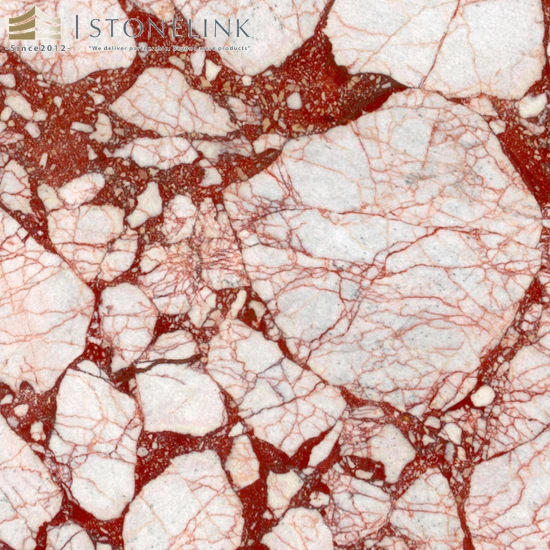
Marble forms from limestone that was subjected to heat and pressure, and its main mineral is calcite. Calcite reacts chemically with any acid — that is the same reaction that makes vinegar fizz when poured on chalk. On a countertop, this reaction eats a microscopic layer of the polished face, leaving a lighter, matte, rough patch. Even “diluted” vinegar or a vinegar-based “natural” wipe is acidic enough to etch marble. A sealer does not protect against this; penetrating sealers slow liquids but cannot stop acid from reacting with the stone beneath.
So when people ask “can you use vinegar on marble,” the honest answer from any stone professional is an emphatic no, regardless of how small the amount or how quick the wipe.
The 5 Cleaners to Avoid on Marble
1. Vinegar (and any vinegar-based product)
White vinegar, apple-cider vinegar, and “eco” cleaners built on vinegar all etch marble on contact.
2. Lemon juice and other citrus cleaners
Citric acid is just as corrosive to calcite as acetic acid. Lemon, lime, and orange cleaners — including many “natural” brands — will dull and etch the surface.
3. Bleach
While bleach is not acidic, it is a harsh oxidizer that can discolor marble, weaken sealers, and damage adjacent grout and caulk. It offers no benefit over a pH-neutral cleaner and adds risk.
4. Ammonia-based cleaners
Glass cleaners and many all-purpose sprays contain ammonia, which is alkaline but aggressive. Over time it degrades the sealer and can cloud or dull the stone, and its fumes are unpleasant in enclosed kitchens.
5. Abrasive powders and scrub pads
Comet, Bar Keepers Friend (acidic), scouring powders, steel wool, and magic erasers scratch marble. Marble’s relative softness means even “gentle” abrasives leave permanent fine scratches that trap dirt.
Safe Cleaners You Can Use Instead
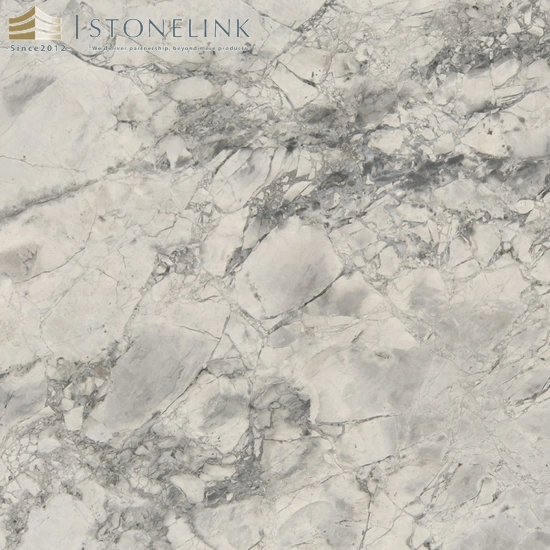
- Warm water + a drop of pH-neutral dish soap. The everyday workhorse. Wipe, rinse with plain water, and dry with a microfiber towel.
- Stone-specific pH-neutral cleaners. Formulated for calcite-based stone; safe for daily and deep cleaning.
- Plain microfiber cloths. Lift dust and film without scratching.
- Baking-soda paste (occasional). Mildly alkaline and safe in a wet paste for gentle film removal — rinse thoroughly after.
What If Vinegar Already Touched Your Marble?
Act fast but understand the limit:
Immediate response
Blot (don’t rub) the area with a damp microfiber to remove residual acid, then wipe with plain water and dry. This stops further reaction but does not undo etching already done.
If a dull mark remains
That is an etch, not a stain. No cleaner removes it. Light etches can sometimes be improved with a marble polishing powder and buffing; deeper ones need a professional to re-hone and re-polish the surface. See our etching vs staining guide for the full diagnosis.
Why “Natural” Doesn’t Mean “Safe” Here
A common trap is assuming plant-based or “green” equals stone-safe. Many green cleaners rely on citric or acetic acid precisely because they are natural. On marble, natural acid is still acid. Always check the ingredient list for citrus, vinegar, or “citric acid,” and when in doubt, use plain pH-neutral soap and water.
Stonelink’s Advice to Buyers
Since 2012, Stonelink has exported natural stone from our Xiamen and Shuitou operation — with 60,000 m² of inventory, 2,000+ designs, and direct quarry access — to over 80 countries. One of the first things we tell new marble owners is the vinegar rule. Marble is not fragile, but it is specific: respect its chemistry, and it will look beautiful for generations.
What About Other Acids People Assume Are Safe?
Vinegar is the headline offender, but the same warning applies to many everyday acids: lemon and lime juice, orange-based cleaners, tomato and vinegar salad dressings left on the surface, carbonated drinks (carbonic acid), and even some “descaling” bathroom sprays built on citric or hydrochloric acid. If a product tastes tart or is sold to dissolve limescale, keep it off marble. When in doubt, the safe default is warm water with a drop of pH-neutral soap.
A Simple Safe DIY Marble Cleaner
You don’t need a cabinet of specialty products. Mix about a quart of warm water with a single drop of fragrance-free, pH-neutral dish soap in a spray bottle (or bowl). Spray onto a microfiber cloth — not directly on the stone — wipe, then follow with a plain-water rinse and a dry buff. For a deeper clean every few weeks, use a store-bought stone-specific cleaner. That’s the entire routine, and it costs pennies.
Myths That Get Marble Damaged
“A little vinegar in lots of water is fine”
It still etches; dilution only slows it. Skip it.
“Natural stone cleaner means stone-safe”
Check the label. Many “natural” cleaners rely on citric or acetic acid, which is exactly what harms marble.
“The sealer will protect it”
Penetrating sealers slow stains, not acid reactions. Etching happens beneath the sealer.
Safety Around Children and Pets
The good news: switching to pH-neutral cleaners is safer for the whole household, not just the stone. Harsh ammonia and bleach fumes irritate lungs and skin, while a mild soap-and-water approach is gentle around kids and animals. Store any leftover acidic products well away from marble surfaces so they aren’t grabbed by mistake during a quick cleanup.
What If a Guest or Cleaner Uses Vinegar?
It happens: a houseguest wipes the counter with a vinegar spray, or a cleaning service assumes “natural” means safe. If you discover it quickly, blot the area with a damp microfiber to remove residual acid, rinse with plain water, and dry thoroughly. Then assess: if the spot looks dull or feels rough, an etch has formed and needs polishing or professional refinishing — no household product reverses it. The lesson is to label your stone-safe cleaner clearly and brief any helper explicitly that marble and vinegar never mix.
Building a Marble-Safe Cleaning Kit
The easiest way to avoid vinegar accidents is to assemble a dedicated, clearly labeled kit so no one reaches for the wrong bottle. Include: a pH-neutral stone cleaner, a fragrance-free mild dish soap, two or three microfiber cloths, a soft squeegee, and a small box of baking soda for occasional paste cleaning. Store acidic products — vinegar, citrus cleaners, descalers — on a separate shelf, clearly away from the marble kit. Households that take five minutes to set this up almost never face an etching emergency, and guests or cleaners can be pointed straight to the safe supplies.
The Bottom Line on Vinegar and Marble
To state it once more, plainly: can you use vinegar on marble? No. Not as a spray, not diluted, not “just this once” on a tough spot. The acid etches calcite instantly and permanently, and no home remedy reverses it. The entire safe alternative is simpler anyway — warm water, a drop of pH-neutral soap, and a soft cloth. Keep vinegar for the salad dressing and the laundry, and keep your marble glowing by respecting its chemistry. A few seconds of caution prevents a repair that costs far more than any cleaner.
Frequently Asked Questions
Can you use vinegar on marble if you rinse right after?
No. The acid begins reacting on contact; rinsing afterward may limit spread but cannot prevent the etch that has already formed. Avoid vinegar entirely.
Is diluted vinegar safer than full strength?
Not enough. Even a small concentration of acetic acid etches calcite-based marble. Dilution only slows the damage, it doesn’t stop it.
What about cleaning marble with just water?
Plain warm water with a soft cloth is safe for light daily wiping, though a drop of pH-neutral soap cleans more effectively. Always dry afterward to avoid water spots.
Can I use vinegar on the grout around marble tile?
Avoid it. Vinegar can etch the marble edges and degrade some grouts and sealants. Use a pH-neutral cleaner and a soft brush for grout lines.
Explore Our Stone Collection
Looking for the right slab for your project? Browse Stonelink’s inventory of 2,000+ designs across marble, granite, quartzite, travertine, onyx and limestone.
Ready to Source Marble Cleaning?
Contact the Stonelink team to compare slabs from our 60,000 m² inventory and get an export quote for your next project.
Frequently Asked Questions
How can I import natural stone from China?
Most overseas buyers work with Stonelink in four clear steps. (1) Share your project specifications, drawings or inspiration photos, or choose directly from our 60,000 m² inventory of 2,000+ designs. (2) We send whole-slab high-resolution photos and short video so you can verify exact veining, color and finish before committing — bookmatching and sequence are confirmed at this stage. (3) We handle export packing (foam-protected, fumigated wooden crates), container booking and ocean freight from Xiamen or Shuitou port. (4) Goods arrive at your destination port with the full document set (commercial invoice, packing list, Bill of Lading, certificate of origin, insurance). We support both full-container-load and LCL shipments, and all communication is in English.
What is your minimum order quantity (MOQ) and lead time?
MOQ typically starts from one container (about 20–27 tons depending on slab size and thickness), and mixed sizes or products are accepted so you can consolidate an entire project in one shipment. For smaller trials we can sometimes ship an LCL (less-than-container) batch of a few slabs, though the per-unit freight is higher; ask us and we will quote both options. Standard lead time is about 15–25 days after order confirmation for in-stock materials, or longer for custom cutting and special finishes. Before shipment we provide whole-slab photos and video so you know exactly what you receive, and we can hold stock for phased deliveries. For recurring orders we offer reserved inventory and rolling production schedules to keep your supply chain steady, and we quote both FOB Xiamen/Shuitou and delivered CIF or DDP to your port.
Can you send stone samples before I place an order?
Yes. We provide samples — offcuts or small slabs — so you can verify color, finish and quality before committing to a full shipment. Samples ship worldwide by courier (DHL, FedEx or UPS), typically within 3–7 days, and the sample cost is usually credited against your first container order. For large projects we can also send a full digital package — high-resolution whole-slab photos and short videos — so your designers can spec with confidence before any physical sample moves. Tell us the exact application, dimensions and finish you need and we will pick the most representative pieces rather than random offcuts, so the sample truly reflects the batch you would receive.
Do you provide quality control and certifications?
Yes. Stonelink is a China-based natural stone manufacturer and exporter operating from the Xiamen and Shuitou stone hub since 2012, with a 60,000 m² inventory spanning 2,000+ designs and direct quarry access, shipping to 80+ countries. Every shipment is inspected for packing and quality before loading — slabs are checked for cracks, bow, thickness tolerance and finish, then crated in foam-protected, fumigated wooden packaging. We can arrange third-party inspection (SGS, Intertek and similar) and supply the documentation your destination requires: commercial invoice, packing list, Bill of Lading, certificate of origin and, where relevant, CE marking or material test reports. Tell us your certification and labeling needs (for example the EU, US, Australia or Middle East) and we will match them and pre-clear the paperwork so customs clearance goes smoothly.
How do I choose the right natural stone for my project?
Start with the application: floors and high-traffic areas favor harder stones (granite, quartzite), while marble and onyx shine in lower-abuse, design-led spaces such as feature walls and vanities. Match the finish to the mood — polished for drama, honed for calm, leathered for texture — and confirm color stability under your actual lighting, since natural stone shifts with light. For wet areas choose a denser, well-sealing material and an appropriate finish, and review whole-slab photos or video with our team before you buy. We advise free of charge based on your project’s traffic, budget and aesthetic, so you avoid expensive mismatches and rework.
What shipping terms and documents are included?
We ship FOB Xiamen or Shuitou as standard and can also quote CIF or DDP to your port, so you control insurance and freight or let us handle it end to end. We manage export packing, container booking and ocean freight, and provide the full document set: commercial invoice, packing list, Bill of Lading, certificate of origin and cargo insurance. Both full-container-load and LCL (less-than-container-load) shipments are supported, and for landlocked destinations we can arrange door-to-door multimodal transport. Tell us your delivery address and incoterm preference and we will quote a landed cost, not just an ex-works price, so there are no surprises at the border.