
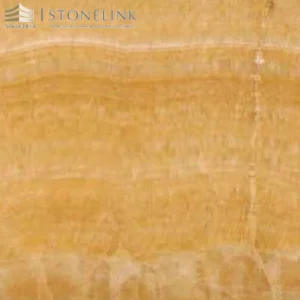
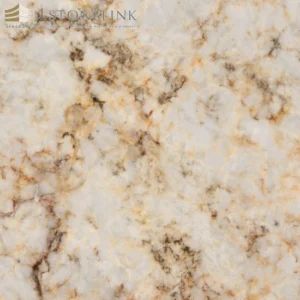
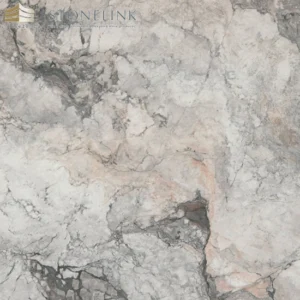
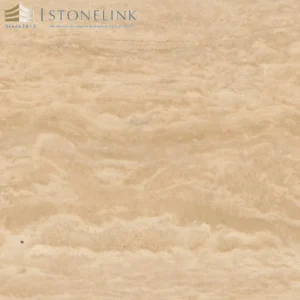
The name turko argento has been floating through more and more spec sheets and supplier catalogs, and buyers are right to ask what they are actually getting. The short answer: turko argento usually describes a silver-grey stone with flowing, cooler-toned veining, but the material behind that label can be either marble or limestone depending on the quarry and the seller. That distinction is not a detail — it changes the hardness, the stain resistance, the price, and the maintenance the stone will need. This guide clarifies the difference so you can specify with confidence.
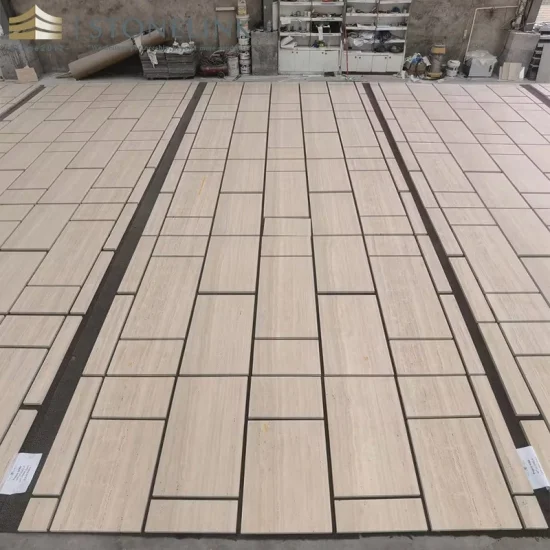
What “Turko Argento” Usually Means
“Turko” points to Turkish origins, and “argento” is Italian for silver — together, a silver Turkish stone. In the market you will meet two broad interpretations. One is a silver-grey marble, a metamorphic calcite rock with crisp, elegant veining and the cool polish marble is known for. The other is a silver-grey limestone, a sedimentary calcium-carbonate rock with a softer, more uniform, sometimes slightly sandy look and little of the dramatic veining marble shows. Both can be beautiful; they are simply different rocks with different performance.
Turko Argento Marble: The Metamorphic Version
When turko argento is marble, it is limestone that was transformed by heat and pressure into recrystallized calcite. That gives it marble’s signature translucency and depth, plus a hardness of about 3–4 on the Mohs scale. It polishes to a bright, reflective surface and shows clearer, more graphic veining than limestone does.
The trade-off is the same as for any marble: calcite reacts with acids. Lemon, vinegar, wine, and many cleaners will etch a polished marble surface if left to sit. It is also more porous than granite or quartzite, so it needs an impregnating sealer and prompt spill cleanup. In the right setting — a feature wall, a vanity, a low-traffic island — turko argento marble is a refined, contemporary choice.
Turko Argento Limestone: The Sedimentary Version
When the label points to limestone, you are dealing with a sedimentary rock made of calcium carbonate deposited over time. Limestone is generally even more porous and softer than marble, with a matte, earthy character and subtler patterning. It rarely shows the bold “veins” of marble; instead you get gentle tonal shifts, occasional fossi, and a calm, stone-built feel that architects love for facades, large floors, and rustic-modern interiors.
Limestone must be sealed, and in exterior or wet applications it needs a penetrating sealer rated for the environment. It will weather and patina gracefully, which is part of its charm, but it is not a candidate for a hard-working acidic kitchen countertop.
Marble vs Limestone: The Key Differences Buyers Should Know
The mineral story is the same family — both are calcium carbonate — but the geology differs, and so does the performance.
Hardness and wear
Marble (Mohs ~3–4) is a step harder and denser than typical limestone, so it resists abrasion a little better and takes a higher polish. Limestone is softer and more easily scratched, which is why it is often used honed or in lower-abuse areas.
Appearance
Marble shows directional, graphic veining; limestone shows broad, quiet tone. If your design wants drama and reflection, marble is the answer. If it wants quiet, tactile calm, limestone fits.
Price
Limestone is frequently the more accessible material, while a well-figured silver marble commands more. But pricing swings with block quality, thickness, and finish, so always compare like for like.
How to Verify What You Are Buying
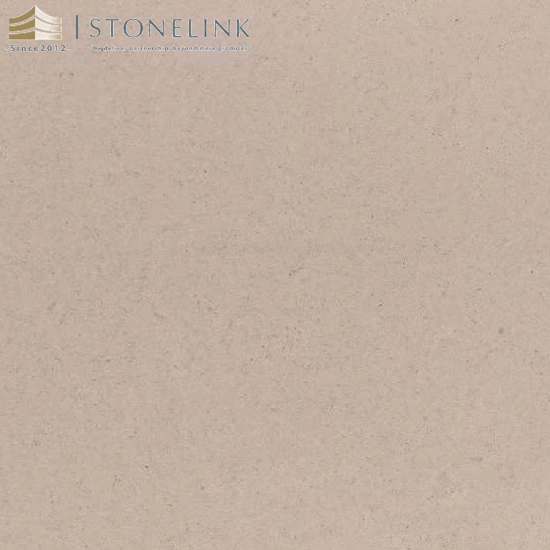
Because the same name can cover two rocks, the safest buying habit is to ask for the petrographic identity, not just the trade name. A reputable supplier will tell you whether the lot is marble or limestone, and can provide details on hardness and water absorption. At the slab stage, a few tell-tales help: marble takes a glassy polish and shows veins; limestone looks softer, matte even when “polished,” and lacks sharp veining. When in doubt, request full-slab photos and a small physical sample you can test with a drop of water (sealed vs unsealed absorption) and a quick acid-sensitivity check.
Best Uses for Each Version
Turko argento marble
Interior feature walls, bookmatched panels, bathroom vanities, fireplace surrounds, and low-traffic islands. It brings a cool, silver luxe to contemporary and transitional schemes.
Turko argento limestone
Large floors, stair treads, exterior cladding, patio and pool surrounds (with proper sealing), and relaxed interior walls. Its softness reads as warmth and permanence rather than shine.
Acceptance and Quality Control Tips
For either version, agree on the finish (honed, polished, or leathered), the acceptable vein density, and any color range before shipment. Insist on whole-slab images so you can confirm continuity for bookmatching. For limestone in wet or outdoor use, confirm the sealer specification and slip rating. Crates should be padded and banded, and insurance should cover transit.
Stonelink’s Role in Sourcing Silver Stones
Stonelink is a China-based natural stone manufacturer and exporter, in operation since 2012, headquartered in the Xiamen and Shuitou stone district — one of the world’s largest stone trading hubs. With direct quarry access and a global sourcing network, plus a 60,000 m² inventory covering 2,000+ designs across marble, granite, quartzite, travertine, onyx, and limestone, we help importers and fabricators pin down exactly which “turko argento” they need. We can compare marble and limestone lots side by side, send full-slab photos and video, and arrange samples so your specification matches the delivered stone.
Frequently Asked Questions
Is turko argento marble or limestone?
It can be either. The trade name describes a silver-grey Turkish stone, but the actual material may be metamorphic marble or sedimentary limestone. Always confirm the petrographic type with your supplier.
Which version is better for a kitchen countertop?
Neither calcium-carbonate stone loves a busy acidic kitchen, but the marble version is denser and a better candidate for a low-traffic island with sealing and care. For heavy cooktops, consider quartzite or granite instead.
Does turko argento limestone need sealing?
Yes. As a porous sedimentary stone, limestone should be sealed — and in exterior or wet areas it needs a sealer rated for that exposure, refreshed on a schedule.
How can I tell marble from limestone on site?
Marble polishes brighter and shows graphic veining; limestone looks softer and quieter even when finished. A full petrographic confirmation from the supplier is the reliable method.
Installation and Fixing Notes
Both versions are fixed much like other natural stone, but the softer limestone wants a little extra care. Use a flexible, non-staining adhesive suited to the substrate, and on large limestone floors or facades allow movement joints so thermal and moisture movement does not crack the panels. For wall cladding, a mechanical fixing or a rated adhesive system should match the panel weight and the building code. Always dry-lay a representative area first to confirm tone and veining rhythm before permanent fixing.
Cost Considerations
Turko argento limestone is generally the more accessible option, while the marble version costs more for its polish and graphic veining. Beyond stone price, budget for sealing (more critical for limestone), any honing or leathering, and crate handling. Because Stonelink sources directly from quarries and operates from the Shuitou hub, importers can often compare marble and limestone lots side by side and choose the version that fits both the specification and the budget without changing suppliers.
Common Pitfalls to Avoid
The biggest mistake is assuming the name guarantees the material — always confirm marble vs limestone. The second is using the wrong cleaner; acidic or abrasive products will damage either calcium-carbonate stone. The third is skipping full-slab photos, which can leave you with mismatched veining across a bookmatched wall. Address these three points and turko argento performs exactly as promised.
A Simple Care Routine
Whether you choose the marble or limestone version, the daily routine is the same and easy: wipe with warm water and a pH-neutral, stone-safe cleaner, dry with a soft cloth, and reseal on the schedule your fabricator gives you — more often for limestone and for wet areas. Use coasters and trivets out of habit, and deal with spills promptly. Done consistently, both stones stay clean and dignified for decades, and the silver tone never loses its quiet appeal.
Explore Our Stone Collection
Looking for the right slab for your project? Browse Stonelink’s inventory of 2,000+ designs across marble, granite, quartzite, travertine, onyx and limestone.
Ready to Source Turko Argento?
Contact the Stonelink team to compare slabs from our 60,000 m² inventory and get an export quote for your next project.
Frequently Asked Questions
How can I import natural stone from China?
Most overseas buyers work with Stonelink in four clear steps. (1) Share your project specifications, drawings or inspiration photos, or choose directly from our 60,000 m² inventory of 2,000+ designs. (2) We send whole-slab high-resolution photos and short video so you can verify exact veining, color and finish before committing — bookmatching and sequence are confirmed at this stage. (3) We handle export packing (foam-protected, fumigated wooden crates), container booking and ocean freight from Xiamen or Shuitou port. (4) Goods arrive at your destination port with the full document set (commercial invoice, packing list, Bill of Lading, certificate of origin, insurance). We support both full-container-load and LCL shipments, and all communication is in English.
What is your minimum order quantity (MOQ) and lead time?
MOQ typically starts from one container (about 20–27 tons depending on slab size and thickness), and mixed sizes or products are accepted so you can consolidate an entire project in one shipment. For smaller trials we can sometimes ship an LCL (less-than-container) batch of a few slabs, though the per-unit freight is higher; ask us and we will quote both options. Standard lead time is about 15–25 days after order confirmation for in-stock materials, or longer for custom cutting and special finishes. Before shipment we provide whole-slab photos and video so you know exactly what you receive, and we can hold stock for phased deliveries. For recurring orders we offer reserved inventory and rolling production schedules to keep your supply chain steady, and we quote both FOB Xiamen/Shuitou and delivered CIF or DDP to your port.
Can you send stone samples before I place an order?
Yes. We provide samples — offcuts or small slabs — so you can verify color, finish and quality before committing to a full shipment. Samples ship worldwide by courier (DHL, FedEx or UPS), typically within 3–7 days, and the sample cost is usually credited against your first container order. For large projects we can also send a full digital package — high-resolution whole-slab photos and short videos — so your designers can spec with confidence before any physical sample moves. Tell us the exact application, dimensions and finish you need and we will pick the most representative pieces rather than random offcuts, so the sample truly reflects the batch you would receive.
Do you provide quality control and certifications?
Yes. Stonelink is a China-based natural stone manufacturer and exporter operating from the Xiamen and Shuitou stone hub since 2012, with a 60,000 m² inventory spanning 2,000+ designs and direct quarry access, shipping to 80+ countries. Every shipment is inspected for packing and quality before loading — slabs are checked for cracks, bow, thickness tolerance and finish, then crated in foam-protected, fumigated wooden packaging. We can arrange third-party inspection (SGS, Intertek and similar) and supply the documentation your destination requires: commercial invoice, packing list, Bill of Lading, certificate of origin and, where relevant, CE marking or material test reports. Tell us your certification and labeling needs (for example the EU, US, Australia or Middle East) and we will match them and pre-clear the paperwork so customs clearance goes smoothly.
How do I choose the right natural stone for my project?
Start with the application: floors and high-traffic areas favor harder stones (granite, quartzite), while marble and onyx shine in lower-abuse, design-led spaces such as feature walls and vanities. Match the finish to the mood — polished for drama, honed for calm, leathered for texture — and confirm color stability under your actual lighting, since natural stone shifts with light. For wet areas choose a denser, well-sealing material and an appropriate finish, and review whole-slab photos or video with our team before you buy. We advise free of charge based on your project’s traffic, budget and aesthetic, so you avoid expensive mismatches and rework.
What shipping terms and documents are included?
We ship FOB Xiamen or Shuitou as standard and can also quote CIF or DDP to your port, so you control insurance and freight or let us handle it end to end. We manage export packing, container booking and ocean freight, and provide the full document set: commercial invoice, packing list, Bill of Lading, certificate of origin and cargo insurance. Both full-container-load and LCL (less-than-container-load) shipments are supported, and for landlocked destinations we can arrange door-to-door multimodal transport. Tell us your delivery address and incoterm preference and we will quote a landed cost, not just an ex-works price, so there are no surprises at the border.