
Once you’ve chosen your stone, the next real question is logistics: how much fits in a container, which port does it leave from, and what does the journey actually cost. Stone is heavy, dense, and breakable, so shipping it is a different game from apparel or electronics. Get the math wrong and you either pay for an underfilled box or risk a weight-limit rejection at the terminal. This guide covers the numbers importers ask about most, plus the port reality on the Chinese side.
How Many Slabs Fit in a Container
Stone almost always ships in 20-foot containers, not 40-foot, because weight, not volume, is the constraint. A standard 20-foot box caps around 28 tons payload, and dense stone hits that long before the space runs out. As a practical rule:
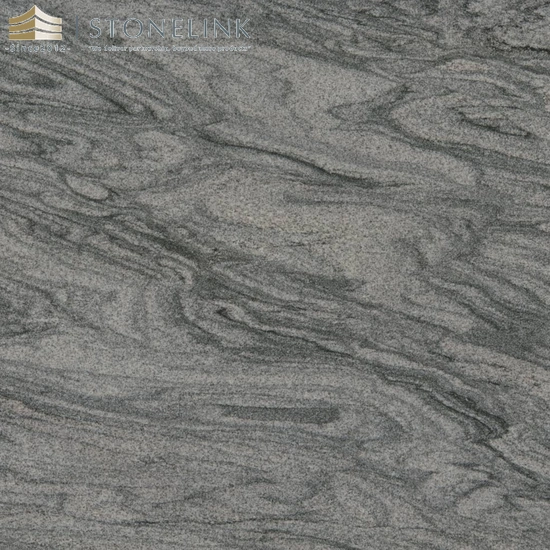
- Granite (heavy): roughly 18–22 tons per 20-foot container, about 7–9 bundles
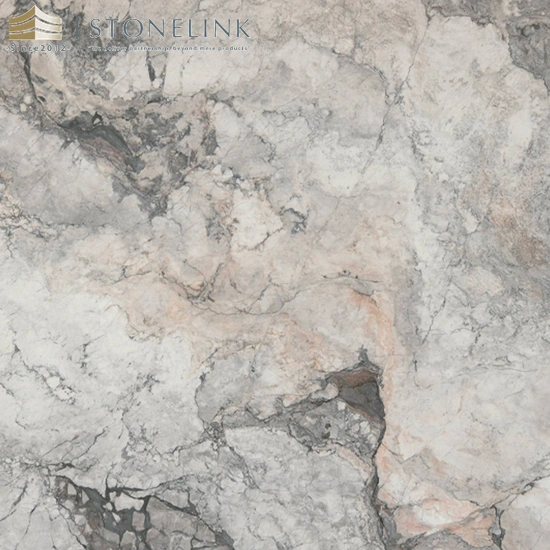
- Marble (lighter, more brittle): roughly 22–25 tons, about 8–10 bundles
- Quartzite and onyx: in the same range as marble, protected with extra padding
A bundle of 2 cm slabs holds around 10–14 pieces depending on slab size, so a full granite load is often 130–180 slabs and a marble load a bit more by count. The supplier calculates the exact number from slab dimensions and gross weight, and you should always get that breakdown before booking.
Why 20-Foot Beats 40-Foot for Stone
A 40-foot container doubles the floor space but only modestly raises the weight limit, so you’d fill it with half its capacity and pay double the base freight. For dense materials like granite, the 20-foot box is the economic choice. Lighter, bulky items such as thin travertine tiles can sometimes justify a 40-foot load, but for slab stone the 20-footer wins every time. Your freight forwarder will confirm the weight class for your lane.
Main Export Ports in China
The stone trade concentrates on the southeast coast. Xiamen is the historic gateway, with deep-water terminals and the densest cluster of stone exporters in the country. Shuitou, just inland from Xiamen, is the world’s largest stone distribution hub and where most stock and processing sits. Stonelink runs operations in both Shuitou & Xiamen, which means containers are stuffed close to the warehouse and trucked a short distance to the port, cutting inland handling.
Secondary options include Shenzhen and Shanghai for mixed cargo, but for a pure stone booking, Xiamen is usually the fastest and cheapest routing. Pick the port your supplier loads from, since changing it mid-order adds a domestic trucking leg you didn’t budget.
Transit Time and Costs
Ocean transit runs in an industry range of roughly 15–35 days depending on destination: shorter to Southeast Asia and the Middle East, longer to the US East Coast, Europe, or South America. Freight quotes move constantly with fuel and capacity, so treat any number as valid for the week it was given. Your quote should state whether it’s FOB (you arrange ocean freight) or CIF (supplier books and insures to your port), because that changes who controls the carrier and the cost exposure.
Packing and Breakage
How the slab is packed decides whether it arrives as inventory or as a claim. Proper stone packing uses fumigated wooden bundles, Styrofoam or plastic between slabs, and strapping rated for the load. Fragile marble and onyx get additional edge protection. Stonelink’s 60,000 m² inventory means most orders ship from ready stock, so packing happens on a predictable line rather than rushed against a block you’re sharing. Always photograph the container as it opens at your port; breakage claims depend on evidence taken before the truck leaves the terminal.
Clearing Customs at Destination
Worked stone typically falls under HS code 6802, and most countries assess duty on the declared value. Have your commercial invoice, packing list, bill of lading, and certificate of origin ready. Some markets require a radiation or material test certificate for natural stone, so ask your forwarder early. Delays at this stage are usually paperwork, not the stone itself.
Frequently Asked Questions
Can I mix granite and marble in one container?
Yes, and it’s common. As long as the combined gross weight stays under the container limit, you can load granite bundles and marble bundles together. Your supplier balances the load so neither material exceeds the weight class for the lane.
What’s the maximum weight per 20-foot container?
Payload caps around 28 tons for a standard 20-foot box, but the safe booking weight depends on the shipping line and your destination port’s road limits. Most stone loads run 20–25 tons to leave margin for crate weight and handling.
How do I reduce the risk of breakage in transit?
Use a supplier with proper fumigated crating and inter-slab padding, photograph the load at origin, and insure the shipment. Breakage almost always traces back to packing quality or rough terminal handling, so the packing spec matters more than the carrier choice.
Does Stonelink ship to my country?
Stonelink has exported to 80+ countries since 2012 across marble, granite, quartzite, travertine, limestone, and onyx. Give your destination port and the team will confirm the lane, transit time, and a landed-cost estimate.
Explore Our Stone Collection
Looking for the right slab for your project? Browse Stonelink’s inventory of 2,000+ designs across marble, granite, quartzite, travertine, onyx and limestone.
Ready to Source From China?
Contact the Stonelink team for a container plan built around your slab count and destination port. With 60,000 m² of inventory in Shuitou & Xiamen and direct quarry access, we pack and ship full or mixed loads to 80+ countries.
Frequently Asked Questions
How can I import natural stone from China?
Most overseas buyers work with Stonelink in four clear steps. (1) Share your project specifications, drawings or inspiration photos, or choose directly from our 60,000 m² inventory of 2,000+ designs. (2) We send whole-slab high-resolution photos and short video so you can verify exact veining, color and finish before committing — bookmatching and sequence are confirmed at this stage. (3) We handle export packing (foam-protected, fumigated wooden crates), container booking and ocean freight from Xiamen or Shuitou port. (4) Goods arrive at your destination port with the full document set (commercial invoice, packing list, Bill of Lading, certificate of origin, insurance). We support both full-container-load and LCL shipments, and all communication is in English.
What is your minimum order quantity (MOQ) and lead time?
MOQ typically starts from one container (about 20–27 tons depending on slab size and thickness), and mixed sizes or products are accepted so you can consolidate an entire project in one shipment. For smaller trials we can sometimes ship an LCL (less-than-container) batch of a few slabs, though the per-unit freight is higher; ask us and we will quote both options. Standard lead time is about 15–25 days after order confirmation for in-stock materials, or longer for custom cutting and special finishes. Before shipment we provide whole-slab photos and video so you know exactly what you receive, and we can hold stock for phased deliveries. For recurring orders we offer reserved inventory and rolling production schedules to keep your supply chain steady, and we quote both FOB Xiamen/Shuitou and delivered CIF or DDP to your port.
Can you send stone samples before I place an order?
Yes. We provide samples — offcuts or small slabs — so you can verify color, finish and quality before committing to a full shipment. Samples ship worldwide by courier (DHL, FedEx or UPS), typically within 3–7 days, and the sample cost is usually credited against your first container order. For large projects we can also send a full digital package — high-resolution whole-slab photos and short videos — so your designers can spec with confidence before any physical sample moves. Tell us the exact application, dimensions and finish you need and we will pick the most representative pieces rather than random offcuts, so the sample truly reflects the batch you would receive.
Do you provide quality control and certifications?
Yes. Stonelink is a China-based natural stone manufacturer and exporter operating from the Xiamen and Shuitou stone hub since 2012, with a 60,000 m² inventory spanning 2,000+ designs and direct quarry access, shipping to 80+ countries. Every shipment is inspected for packing and quality before loading — slabs are checked for cracks, bow, thickness tolerance and finish, then crated in foam-protected, fumigated wooden packaging. We can arrange third-party inspection (SGS, Intertek and similar) and supply the documentation your destination requires: commercial invoice, packing list, Bill of Lading, certificate of origin and, where relevant, CE marking or material test reports. Tell us your certification and labeling needs (for example the EU, US, Australia or Middle East) and we will match them and pre-clear the paperwork so customs clearance goes smoothly.
How do I choose the right natural stone for my project?
Start with the application: floors and high-traffic areas favor harder stones (granite, quartzite), while marble and onyx shine in lower-abuse, design-led spaces such as feature walls and vanities. Match the finish to the mood — polished for drama, honed for calm, leathered for texture — and confirm color stability under your actual lighting, since natural stone shifts with light. For wet areas choose a denser, well-sealing material and an appropriate finish, and review whole-slab photos or video with our team before you buy. We advise free of charge based on your project’s traffic, budget and aesthetic, so you avoid expensive mismatches and rework.
What shipping terms and documents are included?
We ship FOB Xiamen or Shuitou as standard and can also quote CIF or DDP to your port, so you control insurance and freight or let us handle it end to end. We manage export packing, container booking and ocean freight, and provide the full document set: commercial invoice, packing list, Bill of Lading, certificate of origin and cargo insurance. Both full-container-load and LCL (less-than-container-load) shipments are supported, and for landlocked destinations we can arrange door-to-door multimodal transport. Tell us your delivery address and incoterm preference and we will quote a landed cost, not just an ex-works price, so there are no surprises at the border.