
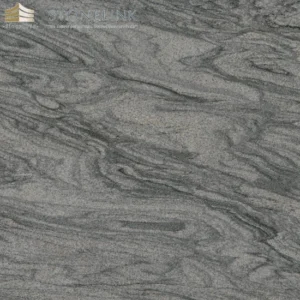
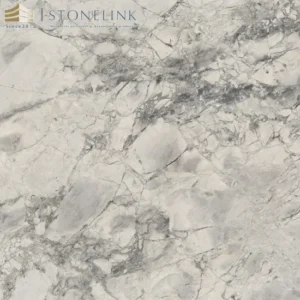
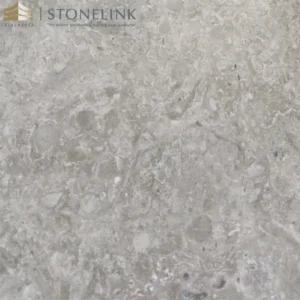
Choosing between marble and quartzite for a kitchen countertop is one of the most common decisions our buyers face, and the two stones get confused for good reason. Both can look strikingly similar in the slab yard, especially the white-and-grey varieties, but they behave very differently once they are cut, installed, and lived on. At Stonelink we have supplied both materials to importers and fabricators across 80+ countries since 2012, and the right pick almost always comes down to how the kitchen will actually be used rather than how it photographs on a showroom wall.
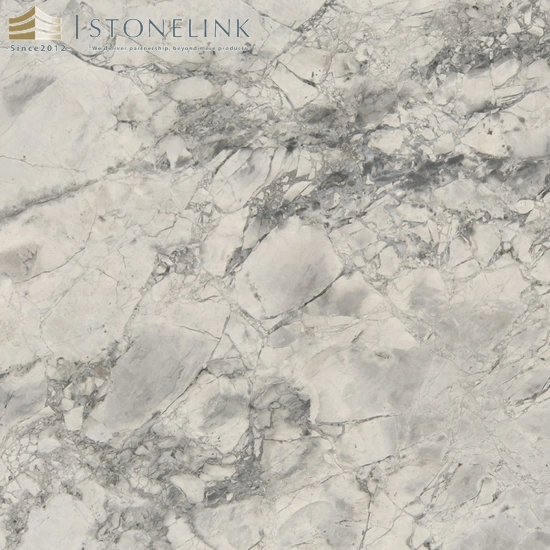
What Marble and Quartzite Actually Are
Marble is a metamorphic limestone, made mostly of calcite. That mineral composition is what gives marble its translucent glow and the depth you see in a honed Calacatta, but it also makes the surface reactive. Anything acidic, from lemon juice to a splash of red wine vinegar, will etch the surface if it sits long enough.
Quartzite starts as sandstone and is transformed under heat and pressure into a much harder rock dominated by quartz. True quartzite is one of the hardest natural stones you can put in a kitchen. The confusion comes from the market: some stones sold as “soft quartzite” are actually marble, so a hardness check at the slab stage is worth doing before you commit.
Durability: Where Quartzite Pulls Ahead
For a working kitchen, quartzite wins on raw hardness. It resists scratches from knives, pots, and daily wear far better than marble, and it does not etch from acids the way calcite-based stone does. If your client cooks often, has children, or simply does not want to police every spill, quartzite is the safer long-term surface.
Marble is not fragile, but it is softer and more porous. It will develop a patina, and in a busy kitchen that patina shows up as etch marks and light scratching. Some designers love that aged character. Most homeowners with a heavy cooking routine do not.
Appearance: Marble’s Enduring Appeal
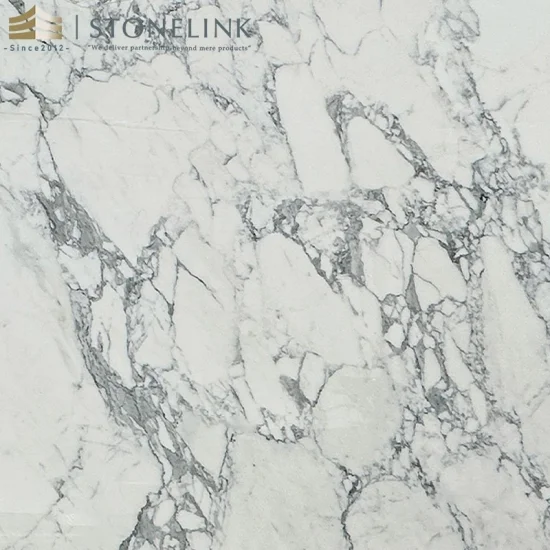
Nothing else reads quite like marble. The veining, the way light moves under the surface, the cool tone, that is why marble has anchored luxury kitchens for centuries. If the brief is a specific look, Calacatta or Statuario, and the kitchen is more for entertaining than for nightly meal prep, marble earns its place.
Maintenance and Sealing
Both stones need sealing, but the cadence differs. Quartzite typically needs a quality impregnating sealer once a year, sometimes less. Marble benefits from more frequent sealing and immediate wipe-ups of anything acidic. Daily cleaning for both is just pH-neutral soap and water. Avoid vinegar and citrus-based cleaners on either, they are harsh on marble especially.
Cost and Availability
Pricing follows the quarry, the block quality, and freight. As an industry range, marble countertops often sit roughly in the USD 40 to 150 per square foot installed bracket depending on the variety, while quartzite commonly runs a similar to somewhat higher band, roughly USD 60 to 200 per square foot installed, for the denser, harder-to-process slabs. Exotic quartzites and rare marble both climb well above those figures.
Because Stonelink runs on direct quarry access plus global sourcing from our Shuitou and Xiamen bases, we can usually offer both families with shorter lead times than a distributor buying blind on the spot market. Our 60,000 m² inventory and 2,000+ designs mean most popular marble and quartzite looks are available for inspection before you containerize.
Which Should You Choose?
Pick quartzite if the kitchen sees real use and low maintenance is the priority. Pick marble if the look is the brief and the owner accepts a living, aging surface. Both belong to our six stone families, and both ship well when packed correctly for ocean freight.
Frequently Asked Questions
Is quartzite harder than marble?
Yes. Quartzite ranks around 7 on the Mohs scale while marble sits near 3 to 4. That difference is exactly why quartzite resists scratching and etching far better in a working kitchen.
Can you tell marble and quartzite apart in the slab yard?
A simple acid test or a scratch test with a knife helps, but the reliable method is a hardness check by your supplier. At Stonelink we verify material identity before packing so what you order is what loads.
Does quartzite need sealing like marble?
It does, but less often. A good impregnating sealer once a year is usually enough for quartzite, whereas marble often wants more frequent attention and faster cleanup of acidic spills.
Which is better for resale value?
Both carry prestige. Marble signals classic luxury; quartzite signals modern durability. In practice, buyers respond to a well-maintained stone surface of either type more than to the species name.
Explore Our Stone Collection
Looking for the right slab for your project? Browse Stonelink’s inventory of 2,000+ designs across marble, granite, quartzite, travertine, onyx and limestone.
Ready to Source Quartzite or Marble?
Contact the Stonelink team to compare slabs from our 60,000 m² inventory and get an export quote for your next kitchen project.