
KITCHEN SURFACES · Updated 2026 · For importers, fabricators, contractors & specifiers
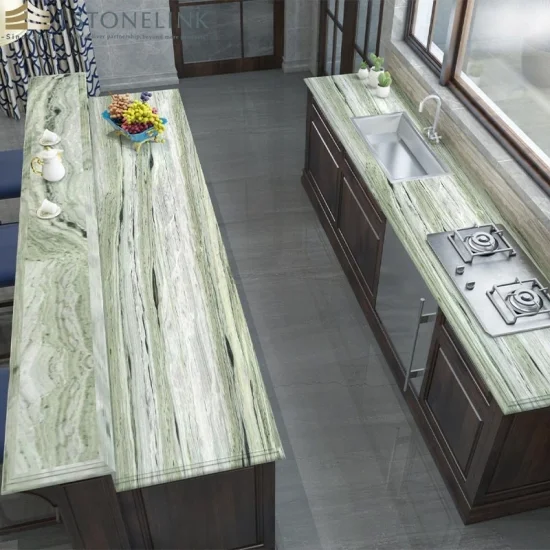
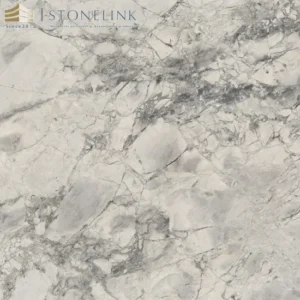
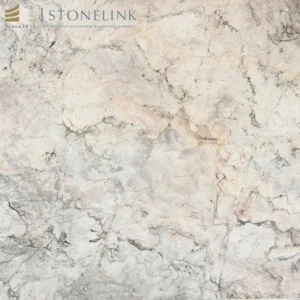
A polished marble countertop — beautiful, but it requires a realistic understanding of etching and sealing before specification.
Marble has topped kitchens for centuries — from Roman villas to Parisian pâtisseries. The debate “is marble good for kitchens?” is really a question of expectations. If you want a counter that looks factory-new forever, marble will disappoint. If you want a surface that ages with character, few materials compete.
The Honest Pros
- Heat resistance: Marble tolerates hot pots far better than engineered quartz (which can scorch above ~150 °C / 300 °F). You can set a warm pan down — though trivets are still wise.
- Natural coolth: At ~2.7 g/cm³ density and high thermal mass, marble stays cool, which is why bakers love it for pastry and dough.
- Timeless look: No engineered surface replicates the depth and veining of natural stone.
- Repairable: Etching and light scratches can be honed or re-polished in place by a stone restorer.
The Honest Cons
- Etching: Calcite (Mohs ~3) reacts with acids — lemon, vinegar, wine, tomato — leaving dull spots. This is chemical, not staining, and cannot be wiped away.
- Scratching: Softer than granite (Mohs 6–7) and quartzite (Mohs 7); knives and abrasive grit leave marks.
- Staining if unsealed: Marble is moderately porous; unsealed tops absorb oil and pigment.
- Maintenance discipline: Requires periodic sealing and immediate cleanup of acids.
Understanding Etching vs Staining
These are different problems with different fixes:
| Issue | Cause | Appearance | Fix |
|---|---|---|---|
| Etch mark | Acid reacts with calcite | Dull, lighter rough spot | Honing / re-polishing |
| Stain | Oil, wine, pigment in pores | Darkened discolored patch | Poultice + sealing |
| Scratch | Abrasion (knife, grit) | Visible line/groove | Honing / polishing |
Sealing: The Real Schedule
Most marble kitchen tops need a penetrating sealer re-applied every 6–12 months, depending on use and the product. A simple “water test” tells you when: if water beads, the seal holds; if it darkens the stone within a few minutes, it is time to reseal. Honed finishes absorb more than polished, so they may need sealing slightly more often.
The “marble is high-maintenance” reputation is overstated. A 10-minute reseal twice a year and wiping acid spills promptly is the entire routine for most households.
Marble vs Granite vs Quartzite
| Property | Marble | Granite | Quartzite |
|---|---|---|---|
| Mohs hardness | ~3 | 6–7 | 7 |
| Etching from acid | Yes (calcite) | No (silicate) | Minimal |
| Heat resistance | Excellent | Excellent | Excellent |
| Stain resistance (sealed) | Moderate | High | High |
| Look | Soft veined elegance | Speckled/variegated | Marble-like, harder |
| Best for | Bakers, low-traffic, patina lovers | Busy family kitchens | Marble look + durability |
Who Should Choose Marble — and Who Shouldn’t
Choose marble if: you bake often, you like a living surface that develops patina, the kitchen is light-duty or a showpiece, and you are comfortable with a simple sealing routine.
Avoid marble if: the kitchen is a heavy-cooking, acidic-sauce household with children who leave spills, you want a zero-maintenance top, or the surface must stay showroom-perfect for resale photography.
STONELINK provides both marble and harder alternatives like granite and quartzite, and can supply honed or leathered marble finishes that disguise light etching better than high-polish surfaces — a smart compromise for busy kitchens.
Frequently Asked Questions
Will a marble countertop stain easily?
Not if sealed. Sealed marble resists most stains, but it etches (dulls) on acid contact — lemon, vinegar, wine — which is different from staining. Reseal every 6–12 months and wipe acids promptly.
Can I cut directly on marble?
Technically yes, but you will scratch it (Mohs ~3) and dull your knives. Always use a cutting board. Light scratches can be honed out by a stone restorer.
Does marble crack from heat?
No. Marble handles hot cookware well — far better than engineered quartz, which can scorch above ~150 °C. Sudden extreme thermal shock (e.g., liquid nitrogen) is the exception, not kitchen reality.
Is honed marble better than polished for kitchens?
For busy kitchens, often yes. Honed finishes hide etching and light scratches better than mirror polish, though they are slightly more porous and may need sealing a little more often.
How much does marble kitchen countertop cost?
Indicative uninstalled slab pricing runs roughly $40–$400+/sq ft depending on variety (Carrara at the low end, Calacatta/Statuario at the high end), plus fabrication and freight. Request a written quote per project.
About the Source
STONELINK is a natural stone manufacturer and exporter supplying marble, granite, quartzite, and other natural stone slabs, tiles, and cut-to-size pieces to importers, wholesalers, and project contractors worldwide. For material selection support or a tailored quotation, contact our team.
This guide is educational. Always request current batch photos, samples, and a written quotation before ordering.