
Buying natural stone used to mean flying to a warehouse and hand-picking slabs. Today, more and more distributors, fabricators, and even designers choose to buy stone slabs online. The convenience is real, but so are the risks: a small sample can hide a slab’s true character, photos can misrepresent color, and international shipping adds layers of logistics. This checklist helps you source stone online confidently and avoid the common traps.
Start With the Right Supplier
The foundation of safe online stone buying is the supplier’s credibility. Look for:
- A verifiable company with years of operation and export experience.
- Transparent inventory and the ability to show real stock, not just catalog images.
- References or evidence of shipments to your region.
- Clear communication on specs, pricing, and terms.
A China-based manufacturer-exporter like Stonelink — operating since 2012 from the Xiamen and Shuitou hub, with a 60,000 m² inventory, 2,000+ designs, and shipments to 80+ countries — illustrates the kind of accountable partner that makes online buying work.
Checklist: What to Verify Before You Buy
1. Insist on full-slab photos and video — not just samples
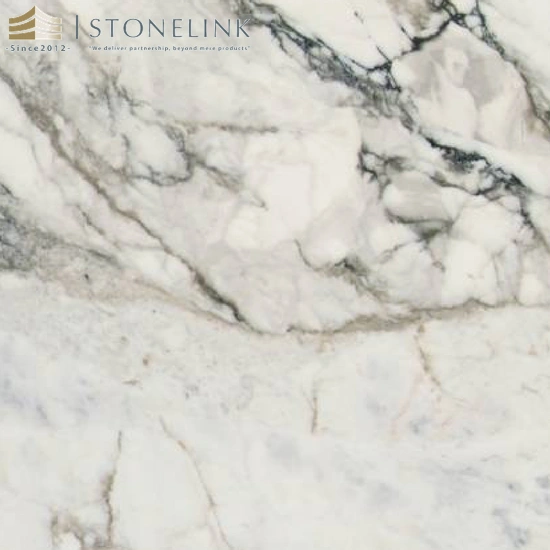
A 4-inch sample cannot show the veining flow, bookmatching potential, or background consistency of a 120-inch slab. Require high-resolution photos of the actual slab you will receive, plus a slow video pan. This is the single most important step when you buy stone slabs online.
2. Confirm the exact specifications
Lock down the details in writing:
- Material and origin: marble, granite, quartzite, or travertine; country of quarry.
- Thickness: typically 2 cm (3/4″) or 3 cm (1 1/4″).
- Dimensions: slab size and any cut-to-size requirements.
- Finish: polished, honed, leathered, or brushed.
3. Ask for test reports
Reputable suppliers can provide laboratory data on key properties:
- Mohs hardness / abrasion resistance — indicates scratch resistance.
- Water absorption — lower is better for wet areas.
- Density and flexural strength — relevant for structural or thin applications.
These numbers let you compare stones objectively rather than trusting photos alone.
4. Clarify logistics, insurance, and delivery
International slab shipping is where surprises hide:
- Is the quote FOB, CIF, or DDP? Know who pays freight and duties.
- Is the slab crated and insured against breakage in transit?
- What is the realistic transit time from quarry to your warehouse?
- Who handles customs clearance and last-mile delivery?
5. Agree on inspection and acceptance
Define how defects are handled. Will the supplier send pre-shipment photos of the packed crate? Is there a window to report damage on arrival? A clear inspection clause protects both sides.
6. Structure payment milestones
Avoid paying 100% upfront to an unproven supplier. Common safe structures include a deposit to reserve the slab and balance against shipping documents or pre-shipment inspection. Established exporters with container experience will offer workable terms.
Common Mistakes to Avoid
- Buying on sample alone: always see the full slab.
- Ignoring freight cube: slabs are heavy; partial shipments cost far more per square foot than full containers.
- Skipping finish confirmation: a “polished” expectation met with “honed” delivery ruins a project.
- No damage clause: without insurance and inspection terms, broken slabs become your loss.
Why a Direct Manufacturer Helps Online Buying
When you buy stone slabs online from a direct manufacturer-exporter rather than a trader, you reduce the number of hands between quarry and crate. Stonelink’s model — direct quarry access plus global sourcing from Xiamen/Shuitou, a 60,000 m² inventory, and container-shipping experience to 80+ countries — means the same partner can show real slab photos, issue spec and test data, consolidate multiple stones into one container, and manage crating and freight. That vertical control is exactly what online buyers need to feel confident.
Choosing the Right Material Online
Buying online does not change which stone fits your project — it only changes how you evaluate it. Quick guidance:
- Marble: best for low-traffic or carefully maintained areas; etches with acid.
- Granite: hardest and most affordable; ideal for busy kitchens.
- Quartzite: marble-like beauty with higher durability; premium pricing.
- Travertine: warm, slip-resistant; great outdoors but needs sealing.
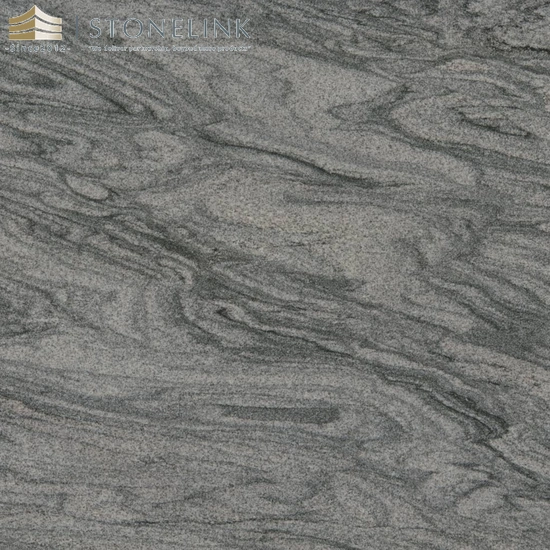
Ask the supplier for side-by-side photos so you can compare candidates on one screen rather than from memory.
Red Flags When You Buy Stone Slabs Online
- Refusal to share full-slab photos or video of the actual piece.
- No test reports or vague answers on thickness and finish.
- Pressure for full 100% upfront payment with no inspection rights.
- Quotes that exclude crating, insurance, or clear freight terms.
- Stock photos presented as current inventory without slab-specific IDs.
Building a Long-Term Sourcing Relationship
The first online order should lead to a repeatable process. Once you trust a supplier’s photos, specs, and shipping, reordering for later project phases becomes straightforward — provided they hold matching inventory. Stonelink’s 60,000 m² inventory and 2,000+ designs, supported by container-shipping experience to 80+ countries, are structured for exactly this kind of ongoing, mixed-stone procurement. Treat online buying not as a one-off gamble but as the start of a managed supply relationship.
Understanding Freight Terms
When you buy stone slabs online, the quoted price means little until you know the Incoterm:
- EXW (ex-works): you collect from the factory; you own all onward logistics and risk.
- FOB (free on board): supplier delivers to the port of loading; you handle ocean freight and import.
- CIF (cost, insurance, freight): supplier pays to your destination port, including insurance.
- DDP (delivered duty paid): supplier handles everything to your door, including duties.
Each shifts cost and responsibility differently. Clarify the term in writing so there are no surprises at customs.
Requesting and Reviewing Samples
Even with full-slab photos, a physical sample helps confirm finish and hand-feel. Ask the supplier to send a small offcut of the exact slab, or at minimum a representative sample of the same batch. Compare it under your project’s actual lighting, because stone color shifts under warm versus cool light. Keep the sample as the reference standard when the full shipment arrives, and use it during inspection to confirm the delivered material matches what you approved.
Why a China-Hub Supplier Simplifies Online Buying
The Xiamen and Shuitou region is the world’s largest natural stone trading hub, which makes it an ideal base for online slab procurement. A supplier there — like Stonelink, operating since 2012 with a 60,000 m² inventory, 2,000+ designs, and shipments to 80+ countries — can show real stock photos, provide specs and test reports, consolidate multiple stone types into one container, and manage crating and freight end to end. When you buy stone slabs online, that single-point accountability is the practical difference between a stressful gamble and a smooth, repeatable supply chain.
Building and Comparing Your Shortlist
Before committing, build a shortlist of two or three candidate slabs per application and compare them side by side using the supplier’s photos and your sample. Weigh look, thickness, finish, test data, and total landed cost — not just the slab price. A slightly pricier slab with better yield and lower freight per square foot can actually be cheaper overall than a “cheap” slab that arrives in a half-empty crate. Keep notes on each candidate’s batch number and Incoterm so your final decision is documented and reordering later is straightforward. This disciplined approach turns the sometimes overwhelming process to buy stone slabs online into a controlled, repeatable procurement step rather than a leap of faith.
Frequently Asked Questions
Can you really buy stone slabs online safely?
Yes, provided you work with a credible exporter, insist on full-slab photos and video, verify specs and test reports, and agree on logistics, insurance, inspection, and payment milestones in writing before committing.
Why are full-slab photos more important than samples?
A sample shows only a tiny area. The real slab’s veining flow, background consistency, and bookmatching potential are visible only across the full piece, which is what your countertop or wall will actually display.
How should payment be structured for online slab purchases?
A deposit to reserve the material with balance tied to shipping documents or pre-shipment inspection is common. Avoid full upfront payment to unproven suppliers, and use milestone payments with established exporters.
What specs must I confirm before ordering?
At minimum: material and origin, thickness (2 cm or 3 cm), dimensions, finish, and test data such as hardness and water absorption. Clarify freight terms, insurance, and inspection as well.
Explore Our Stone Collection
Looking for the right slab for your project? Browse Stonelink’s inventory of 2,000+ designs across marble, granite, quartzite, travertine, onyx and limestone.
Ready to Source Stone Slabs?
Contact the Stonelink team to compare slabs from our 60,000 m² inventory and get an export quote for your next project.
Frequently Asked Questions
How can I import natural stone from China?
Most overseas buyers work with us in four steps: (1) share your project specs or choose from our inventory; (2) we send whole-slab photos and video so you see exact veining before committing; (3) we handle packing, booking and ocean freight from Xiamen/Shuitou; (4) goods arrive at your port with full documentation. English communication and container-load or LCL both supported.
What is your minimum order quantity (MOQ) and lead time?
MOQ typically starts from one container, and mixed sizes or products are accepted. Standard lead time is about 15–25 days after order confirmation, with slab photos and video provided before shipment so you know exactly what you receive.
Can you send stone samples before I place an order?
Yes. We provide samples — offcuts or small slabs — so you can verify color, finish and quality before committing to a full shipment. Samples are shipped worldwide by courier, and the sample cost is typically credited against your first container order.
Do you provide quality control and certifications?
Yes. Stonelink is a China-based natural stone manufacturer and exporter operating from the Xiamen and Shuitou stone hub since 2012, with a 60,000 m² inventory spanning 2,000+ designs and direct quarry access, shipping to 80+ countries. Every shipment is inspected for packing and quality before loading, and we can arrange third-party inspection and the documentation your destination requires. Tell us your certification needs (CE, SGS, etc.) and we will match them.
How do I choose the right natural stone for my project?
Start with the application: floors and high-traffic areas favor harder stones (granite, quartzite), while marble and onyx shine in lower-abuse, design-led spaces. Match the finish to the mood (polished for drama, honed for calm), confirm color stability under your lighting, and review whole-slab photos or video with our team before you buy. We advise free of charge based on your project.
What shipping terms and documents are included?
We ship FOB Xiamen/Shuitou as standard and can also quote CIF or DDP to your port. We handle export packing, container booking and ocean freight, and provide the full document set — commercial invoice, packing list, Bill of Lading, certificate of origin and insurance. Both full containers and LCL are supported.