
If you have shopped for high-end natural stone recently, you have almost certainly encountered a Brazilian quartzite. Names like Taj Mahal, Cristallo, and Patagonia appear on specification sheets for luxury kitchens and hotels worldwide. Brazil’s dominance of the exotic quartzite market is not an accident — it is the result of unique geology, exceptional crystal quality, and a supply chain built around the global trade. This article explains why Brazil leads, profiles the standout varieties, and gives buyers the practical details they need.
What Is Quartzite, and Why Does Origin Matter?
Quartzite is a metamorphic rock composed mostly of quartz (often 90%+), formed when sandstone is subjected to heat and pressure. True quartzite is harder than marble and granite (around 7 on the Mohs scale), highly resistant to scratching, and far less prone to acid etching than marble. Origin matters because the mineral makeup and the visual character of quartzite vary by deposit. Brazilian deposits, in particular, produce stones with remarkable translucency and color that competitors struggle to match.
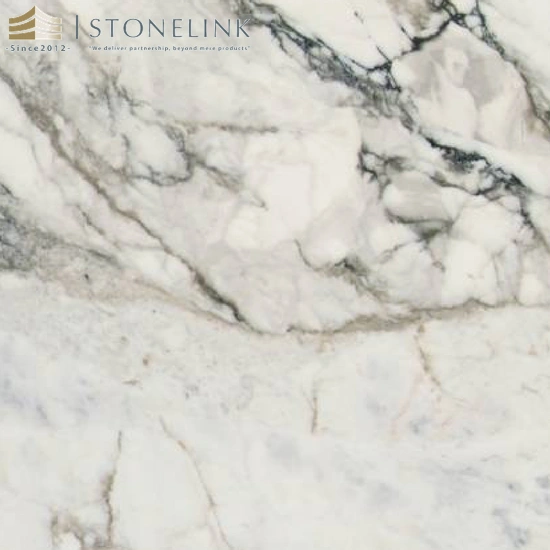
Why Brazil Dominates Exotic Quartzite
1. Exceptional quarry geology
Brazil’s Minas Gerais and Bahia regions host quartzite formations with unusually pure quartz crystals and rich mineral inclusions. This yields the warm honey tones of Taj Mahal, the icy clarity of Cristallo, and the dramatic blue-and-gold movement of Patagonia — looks that are difficult to source elsewhere.
2. Translucency and light performance
Many Brazilian quartzites are semi-translucent. Under backlighting, stones like Cristallo glow, making them favorites for feature walls, bars, and reception desks. That optical quality is a direct function of crystal purity found in Brazilian deposits.
3. Established export infrastructure
Brazil has spent decades building a stone export industry, with quarries, processors, and logistics accustomed to shipping containers worldwide. That maturity means reliable supply of even rare materials.
4. Brand recognition
Over time, “Brazilian quartzite” has become shorthand for premium exotic stone. The market’s familiarity with names like Taj Mahal reinforces Brazil’s leading position.
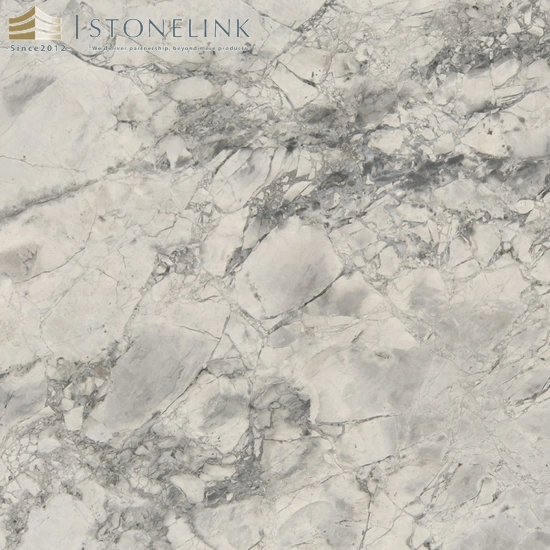
Key Brazilian Quartzite Varieties
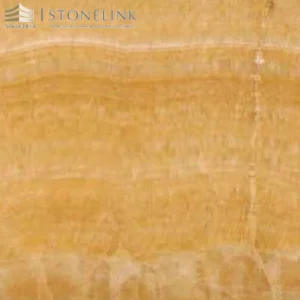
- Taj Mahal: a warm cream-to-honey quartzite with subtle veining, favored for kitchens that want marble softness without marble fragility.
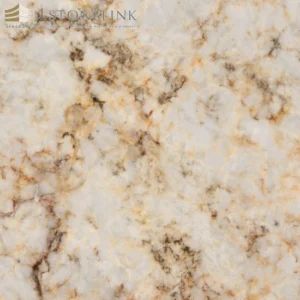
- Cristallo: near-clear, icy white quartzite prized for backlighting; among the most translucent natural stones available.
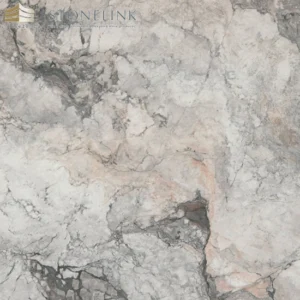
- Patagonia: a bold, multi-colored stone with blue, gold, and cream crystals — a true statement slab.
- Azul Macaubas / Blue Roma: blue-toned quartzites for dramatic, rare applications.
Performance and Price
Brazilian quartzite typically costs similar to or above premium marble, often USD 80–250+ per square foot installed depending on variety and slab quality. In return, buyers get a stone that resists scratching and etching far better than marble, making it a practical upgrade for busy kitchens. It is heavier and harder to fabricate than marble, so experienced fabrication matters.
Buying and Shipping Brazilian Quartzite
Because these are premium, often limited stones, buyers should:
- Request full-slab photos and video to confirm the specific movement and color of the piece they will receive.
- Verify thickness (typically 2 cm or 3 cm) and finish (polished, honed, or leathered).
- Clarify ocean freight, crating, insurance, and any inspection before shipment.
- Work with a supplier experienced in container shipping to protect fragile slabs in transit.
Stonelink and Brazilian Quartzite Sourcing
Stonelink is a China-based natural stone manufacturer and exporter operating since 2012 from the Xiamen and Shuitou stone hub. Through direct quarry access plus global sourcing, the company sources Brazilian quartzites alongside its Chinese and other-origin inventory. With a 60,000 m² inventory, 2,000+ designs, and shipments to 80+ countries, Stonelink can consolidate brazilian quartzite with marble, granite, and travertine into container shipments — lowering freight per slab and simplifying procurement for international projects. For buyers, that means access to exotic Brazilian material through a single, accountable partner with container-shipping experience.
Installation and Fabrication Considerations
Brazilian quartzite’s hardness is a double-edged sword. It resists scratches beautifully but demands skilled fabrication. Standard blades wear faster, seams need careful matching, and sink cutouts require experienced shops. Specify a fabricator who regularly works with quartzite, and request that slabs for one project come from the same batch so veining and tone stay consistent. Because these stones are heavy and premium, proper crating and handling during both fabrication and shipping protect your investment.
Maintaining Brazilian Quartzite
Care is simpler than marble. A pH-neutral cleaner and occasional sealing (often every one to two years, or as the water-drop test indicates) keep the surface pristine. Unlike marble, quartzite will not etch from a splash of lemon juice, which is why it is favored for busy kitchens. Still, avoid abrasive pads that could dull the polish, and use trivets for extreme heat out of habit.
Design Trends Favoring Brazilian Quartzite in 2026
The move toward warm, organic, and “quiet luxury” interiors has boosted demand for honey-toned Taj Mahal and luminous Cristallo. Backlit quartzite feature walls are appearing in hotels and high-end residences, and bold Patagonia statements are popular for waterfall islands. Because Brazilian quarries lead on these looks, specifying brazilian quartzite aligns directly with current design direction.
Common Misconceptions
- “Quartzite and quartz are the same.” No — quartzite is natural stone; quartz (engineered) is a resin-bound manufactured product. They differ in look, feel, and performance.
- “All hard white stone is quartzite.” Some “soft quartzites” are actually dolomitic marbles; always verify with a hardness or acid test if performance matters.
- “Brazilian quartzite is indestructible.” It is very hard, but can chip at edges and is not immune to poor fabrication.
Quartzite vs Granite vs Marble: A Quick Comparison
| Property | Brazilian Quartzite | Granite | Marble |
|---|---|---|---|
| Mohs hardness | ~7 | ~6–7 | ~3–4 |
| Acid etching | Resistant | Resistant | Etches easily |
| Typical price | Premium | Lower–mid | Mid–premium |
| Look | Marble-like, often translucent | Speckled/crystalline | Classic veined |
This table explains why brazilian quartzite is often called the “best of both worlds” — it delivers marble’s elegance with granite-like toughness, at a price between the two.
Color Selection Guide
- Warm, neutral kitchens: Taj Mahal’s honey tone pairs with oak and brass.
- Bright, airy spaces: Cristallo or Super White keep rooms feeling open and can be backlit.
- Bold statements: Patagonia or Blue Roma become the room’s centerpiece island.
Always view the actual slab, because quartzite’s internal crystals make each piece unique.
Why Work With an Experienced Sourcing Partner
Exotic quartzite is a high-value, sometimes limited material, so sourcing skill matters. A partner with global reach can secure the specific Brazilian variety you want, verify the actual slab, consolidate it with other stones, and manage fragile ocean shipping. Stonelink, from its Xiamen/Shuitou base since 2012, sources Brazilian quartzites such as Taj Mahal, Cristallo, and Patagonia through global sourcing, holds them in a 60,000 m² inventory, and ships consolidated containers to 80+ countries. That combination reduces both cost and risk for buyers specifying brazilian quartzite on international projects.
Selecting the Right Brazilian Quartzite for Your Space
Matching variety to use case prevents disappointment. For a family kitchen where spills are frequent, choose a warmer, busier stone like Taj Mahal that hides everyday life; its honey tone also warms the room. For a spa-like bathroom or a backlit bar, Cristallo’s clarity creates drama. For a luxury living room waterfall island, Patagonia’s multicolor crystals become the conversation piece. Whatever you pick, request the specific slab’s photos and confirm it is true quartzite (not a dolomitic marble) if etching resistance is critical. A knowledgeable supplier will happily walk you through these choices and show comparable alternatives within the brazilian quartzite family so you can balance look, performance, and budget. Taking this extra step before purchase saves far more time and money than correcting a mismatch after the slab has already shipped.
Frequently Asked Questions
Is Brazilian quartzite better than marble?
For durability, yes. True Brazilian quartzite is harder (around Mohs 7), scratch-resistant, and far less likely to etch from acids than marble. It costs more but performs better in high-traffic kitchens while still offering marble-like beauty.
Why is Brazilian quartzite so expensive?
Limited quarry output of the most desirable varieties, exceptional crystal translucency, and strong global demand push prices up. Exotic names like Cristallo and Patagonia command premiums comparable to or above premium marble.
Can Brazilian quartzite be backlit?
Yes. Stones like Cristallo are semi-translucent and glow beautifully under backlighting, which is why they are popular for feature walls, bars, and reception areas.
Does Stonelink supply Brazilian quartzite?
Through global sourcing from its Xiamen/Shuitou base, Stonelink sources Brazilian quartzites such as Taj Mahal, Cristallo, and Patagonia and ships them worldwide in consolidated containers.
Explore Our Stone Collection
Looking for the right slab for your project? Browse Stonelink’s inventory of 2,000+ designs across marble, granite, quartzite, travertine, onyx and limestone.
Ready to Source Brazilian Quartzite?
Contact the Stonelink team to compare slabs from our 60,000 m² inventory and get an export quote for your next project.
Frequently Asked Questions
How can I import natural stone from China?
Most overseas buyers work with Stonelink in four clear steps. (1) Share your project specifications, drawings or inspiration photos, or choose directly from our 60,000 m² inventory of 2,000+ designs. (2) We send whole-slab high-resolution photos and short video so you can verify exact veining, color and finish before committing — bookmatching and sequence are confirmed at this stage. (3) We handle export packing (foam-protected, fumigated wooden crates), container booking and ocean freight from Xiamen or Shuitou port. (4) Goods arrive at your destination port with the full document set (commercial invoice, packing list, Bill of Lading, certificate of origin, insurance). We support both full-container-load and LCL shipments, and all communication is in English.
What is your minimum order quantity (MOQ) and lead time?
MOQ typically starts from one container (about 20–27 tons depending on slab size and thickness), and mixed sizes or products are accepted so you can consolidate an entire project in one shipment. For smaller trials we can sometimes ship an LCL (less-than-container) batch of a few slabs, though the per-unit freight is higher; ask us and we will quote both options. Standard lead time is about 15–25 days after order confirmation for in-stock materials, or longer for custom cutting and special finishes. Before shipment we provide whole-slab photos and video so you know exactly what you receive, and we can hold stock for phased deliveries. For recurring orders we offer reserved inventory and rolling production schedules to keep your supply chain steady, and we quote both FOB Xiamen/Shuitou and delivered CIF or DDP to your port.
Can you send stone samples before I place an order?
Yes. We provide samples — offcuts or small slabs — so you can verify color, finish and quality before committing to a full shipment. Samples ship worldwide by courier (DHL, FedEx or UPS), typically within 3–7 days, and the sample cost is usually credited against your first container order. For large projects we can also send a full digital package — high-resolution whole-slab photos and short videos — so your designers can spec with confidence before any physical sample moves. Tell us the exact application, dimensions and finish you need and we will pick the most representative pieces rather than random offcuts, so the sample truly reflects the batch you would receive.
Do you provide quality control and certifications?
Yes. Stonelink is a China-based natural stone manufacturer and exporter operating from the Xiamen and Shuitou stone hub since 2012, with a 60,000 m² inventory spanning 2,000+ designs and direct quarry access, shipping to 80+ countries. Every shipment is inspected for packing and quality before loading — slabs are checked for cracks, bow, thickness tolerance and finish, then crated in foam-protected, fumigated wooden packaging. We can arrange third-party inspection (SGS, Intertek and similar) and supply the documentation your destination requires: commercial invoice, packing list, Bill of Lading, certificate of origin and, where relevant, CE marking or material test reports. Tell us your certification and labeling needs (for example the EU, US, Australia or Middle East) and we will match them and pre-clear the paperwork so customs clearance goes smoothly.
How do I choose the right natural stone for my project?
Start with the application: floors and high-traffic areas favor harder stones (granite, quartzite), while marble and onyx shine in lower-abuse, design-led spaces such as feature walls and vanities. Match the finish to the mood — polished for drama, honed for calm, leathered for texture — and confirm color stability under your actual lighting, since natural stone shifts with light. For wet areas choose a denser, well-sealing material and an appropriate finish, and review whole-slab photos or video with our team before you buy. We advise free of charge based on your project’s traffic, budget and aesthetic, so you avoid expensive mismatches and rework.
What shipping terms and documents are included?
We ship FOB Xiamen or Shuitou as standard and can also quote CIF or DDP to your port, so you control insurance and freight or let us handle it end to end. We manage export packing, container booking and ocean freight, and provide the full document set: commercial invoice, packing list, Bill of Lading, certificate of origin and cargo insurance. Both full-container-load and LCL (less-than-container-load) shipments are supported, and for landlocked destinations we can arrange door-to-door multimodal transport. Tell us your delivery address and incoterm preference and we will quote a landed cost, not just an ex-works price, so there are no surprises at the border.